Out of service

Now I know what it must have felt like to witness crucial moments in history: the assassination of Archduke Franz Ferdinand in Sarajevo; Hitler marching his troops back into the Rhineland; and it was exactly like I felt when I heard the Beatles were breaking up. A shiver of apprehension. A tremor of fear. A sense that the world was tilting on its axis. An instinct that it “would never be glad, confident morning again”. It came when I learned that the New York Hilton Hotel is to abolish room service.

Back to the future
My whole life – or at least the large part of it spent in hotels – flashed before my eyes. Abolish room service – why not turn back the clock entirely? Have men with red flags walk in front of cars? Produce jerky films in black and white with no sound? Re-install gas lighting and put suffragettes on the treadmill?

This heralds a return to the Dark Ages. And don’t comfort yourself with the thought that it’s only one hotel; this is a scent of the ominous future, carried on the hospitality industry breeze. This is the first wedge, the foot in the door, the exception that will eventually prove to be the rule. In the inevitable trend of corporate domino theory it will not be long before every major hotel chain abolishes room service. And you know why? It’s a money saver.

Staff are needed to take food to a room, and staff are paid wages. Get rid of the service and you get rid of the wage expense too. Look at many hotel receptions now: you can check in without speaking to a soul; just press a screen, swipe a credit card, take a spewed-out plastic door key and go straight to a room. The more that hotels – like supermarkets – can be run without people, the higher the profit margin.

Roomful of pleasure
So this is a, hopefully premature, goodbye hymn to room service – a paean of praise to the clinking linen-covered trolley with its little vase and solitary flower, its shiny silver food warmers, crystal glasses and folded napkins.

The vast bed is just a lover-entangled fall away from the condensation-rimmed bucket in which the Bollinger nestles

It’s a mournful goodbye, redolent with nostalgia for that most hedonistic of pleasures; choosing not to dress up, go downstairs and sit alone at the restaurant’s worst table for solitary singles next to the toilet door, but instead to sit quaffing wine and scoffing the best a good hotel can offer (which is frequently extremely good) in the privacy of your own room.

Then there’s – how can one put this delicately? – the naughty pleasure of dining a deux with a loved one, or even some newly met passing ship in the night. With a beauty across the portable dining table and beyond, through that hopefully full-length window, a view of Hong Kong harbour, Manhattan, the Sydney Opera House or Table Mountain, there’s a who-the-hell-cares-what-it-costs feeling in your heart. Best of all, the vast bed is just a lover-entangled fall away from the condensation-rimmed bucket in which the Bollinger nestles, shining and clinking in the settling ice.

Who among us has not at one time or other luxuriated in that almost fin-de-siècle abandonment – or at least wanted to. The thought of no longer being able to dial a number, and forty-five minutes later answer the knock on the door and watch the goodies wheeled in, saddens the heart.

I know I’ve poked fun at room service in the past, but now it seems bathed in a roseate glow, like a fading love affair. Even the bad bits seem good when you face losing them. No more intimate tristes with some delicious nosh (and companion if lucky), sluiced down by a good Moulin-à-Vent or Chablis? Unthinkable.

Sure, at the moment this development is just a tiny leak in the concrete, but if not immediately plugged, the whole edifice of hotel-life-as-we-know-and-love it, will eventually come crashing down like the Mohne Dam worked over by 617 Squadron.

The time to protest is now. Next time you stay at a Hilton (or, for that matter, any other international hotel chain) make a point of telling them: “Stop room service and I’ll be staying elsewhere.” Take one of their satisfaction questionnaires and write: “Do NOT get rid of room service.”

We know what happened after Sarajevo, and the Rhineland. And what followed The Beatles break-up. So act now, before it’s too late. Call for room service and tell them to carry on delivering!

Part 3: Northern New Mexico

New Buffalo was still in it’s infancy when the film was shot, just a handful of young people seeking an alternative lifestyle, living together in an adobe house they built with their own hands. The residents lived off the land as best they could, and shared whatever food and income they had. They also smoked a lot of weed.

Founded in 1967, the commune was the beginning of the peace and love counterculture movement in the US, and people were rebelling against the establishment all over the country. This was the peak of the Vietnam War, and young people were fed up. The New Buffalo Commune sprung from the same impulse that led Peter Fonda and Dennis Hopper to make Easy Rider, an attempt to break away from the American Dream paradigm that had dominated popular culture since the 1950s. However, the film is also critical of this unbridled naivety of the commune dwellers, and portrays them mainly as city kids, full of ideals, but essentially clueless about what it means to live off the land. They are seen struggling to sew their crops in the dry New Mexico soil, and generally a little incompetent.

No Buffalo
Hopper, as the director, really wanted to film at the commune itself with the residents playing their parts, but they were not keen on it. So instead they replicated the commune setting in the Malibu hills in California.

New Buffalo existed until 1985 in relative stability in the same site, attracting young hippies and idealists from up and down the country. It eventually collapsed under its own weight, but in 2001 the farm was restored and now works as a kind of bed and breakfast. The ‘New Buffalo Centre’ has a website in pastel colours with pictures of tidy rooms that reminisce a retirement home, and for a ‘financial contribution’ visitors can partake in some of the many activities offered; from performances to a ‘healing space’. It seems like a weirdly sanitised version of what commune life was supposed to be, but it might be worth a stop.

Drive into Taos, New Mexico on route 64. It winds from Monument Valley down through Carson National Forest and then to the town. But about ten miles before the route rides into Taos, it crossed the famous Rio Grande gorge. The gorge is a spectacular site, a gigantic crack in the middle of the desert, but connecting the two sides is a spectacular steel bridge, suspended 565 feet above the Rio Grande below. The bridge spans 600 feet across the gorge.

Pennines in the desert
A little know fact about this part of New Mexico is that it is the final resting place of quintessential Yorkshireman DH Lawrence. For some bizarre twist of fate, Lawrence moved to a ranch outside of Taos with his wife Frieda shortly before the publication of Sons and Lovers. They only lived in Taos briefly, and he eventually succumbed to one of many ailments he had battled through life while living in France in 1930. His wife, who outlived him, eventually had him exhumed, cremated and brought his ashes to the New Mexico ranch, where she lived until her death some two decades later. During shooting, the cast and crew clandestinely camped by the DH Lawrence Memorial, where his ashes are supposed to be mixed in the large memorial stone, or so it goes.

Taos itself, though not really in the film, is an interesting historic town. It is surrounded by old Pueblos that are open to visitation, and has an interesting alternative art scene. But Billy and Wyatt do not linger here long, but rather take route 518 through Santa Fe National Forest to Las Vegas New Mexico, where they crash a band parade. Parading without a license is still an offense in New Mexico, but it is unlikely you will be thrown in jail, which is just as well because the jail scenes were actually shot in Taos, and Jack Nicholson will probably not be available to bail you out.

The other Vegas
Las Vegas is the type of town that doesn’t look like it has changed much since the railway arrived in 1880. The buildings are charmingly old fashioned, but well conserved, and it really seems to always be sunny. Many of the buildings featured in Easy Rider are still there, though the police station is now a restaurant. The red fire department building where the Harley’s are impounded is still there though, exactly the same, with the same sign out front.

Here Wyatt and Billy pick up drunken civil liberties lawyer George, and convince him to join them with a promise of ‘porkchop’ ladies and the ‘finest whorehouse in the South’.

The unlikely threesome, with George riding protected by his old football helmet, then proceed towards the promised-land (New Orleans). Except that the sequence, immortalised by Jack Nicholson’s dancing on Billy’s bike is actually shot in and around Coyote New Mexico, North West of the Los Alamos region. It is beautiful country out there, and worth the ride, but completely out of the way. Like most things relating to Easy Rider.

Next week: the ghost towns of the Deep South

Top skiing weekends

Chamonix, France
Located a mere 88km from Geneva airport, the infamous resort of Chamonix is renowned the world over for its adrenaline inducing slopes and postcard picture scenery. As if the daylight hour activities weren’t enough, Chamonix also boasts a lively nightlife and host of fine dining opportunities.

St Anton, Austria
Widely cited as the best ski resort in Austria, St Anton is largely intended for the experienced skier and offers an unparalleled number and variety of slopes. However, if you’re feeling less adventurous then the many slope-side bars and restaurants offer an opportunity to kick back and observe the vibrant ski scene.

Mayrhofen, Austria
A short 65km from Innsbruck Airport lies Mayrhofen, a 630m high village with a buzzy atmosphere and a great many skiing opportunities for intermediate and advanced skiers alike. The destination is especially accommodating to snowboarders, who customarily gather in April for the annual Snowbombing festival.

Verbier, Switzerland
Over the years Verbier has grown to become synonymous with deep pockets and a wealth skiing experience. The resort is a good two hours from the similarly expensive Geneva and offers everything from exceptional restaurants to extravagant nightlife for those staying atop the slopes.

Villars, Switzerland
Conveniently located less than two hours from Geneva, Villars is a quintessentially Swiss skiing resort otherwise known for its high-life boarding schools. Although Villars’s prices are towards the higher end of the scale, there are a great many opportunities for inexperienced skiers to test their competence in the sport.

Part 2: Route 66 and beyond

The infamous – and now decommissioned – Route 66 runs a bit like a conduit thread through the film. Parts of it are now the Interstate 40 (I-40), but bits are just wasting away in the desert, not leading anywhere. Valentine, Arizona, however, where Wyatt and Billy have lunch with a farmer and his wife, is still on the old route, but it really doesn’t go anywhere apart from rejoining the I-40 at Seligman. It is still possible to ride another few miles down 66 from Seligman, just ask locals for the Crookton road, which eventually rejoins the interstate anyway. The Route was an important transport link between Chicago and LA before being totally decommissioned in 1974. It was also an important cultural symbol of the 50s and 60s as the counterculture movement championed the freedom of the open road and free-spirited independence. Easy Rider has a lot to do with that.

At the old town of Bellemont, just off the I-40, the Original ‘No-Vacancy’ motel sign still stands right beside a Harley Davidson dealership. Wyatt and Billy ride customised vintage WWII models painted by iconic bike designers in LA. Billy’s has a fire theme that goes with his Native American buckskin trousers and bushman hat; Wyatt’s has the Stars and Stripes painted on the gas tank, which is why he is sometimes referred to as Captain America.

‘Get a haircut!’
Also in Bellemont is the Pine Breeze Motel, where Billy and Wyatt get turned down and helpfully advised to ‘get a haircut’. It’s more of a gas station now, though the back building is still there. It is also unlikely you will be turned down for having long hair today. Rumour has it that the current owner of Pine Breeze allows people to camp in the old building, where Billy and Wyatt could not. For less adventurous riders, the Americana Inn a few miles back in Flagstaff, where the crew stayed during production. True Easy Riders devotees can ride past Bellemont and try to camp by the side of the road like our protagonists were forced to do.

Head out of Bellemont towards Flagstaff, you can rejoin the historic Route 66 just before the town, but make sure to take Route 89 out of town towards the Wupatki National Monument. This is a desert national park scattered with ancient ruins of Pueblo settlements. There are three main Wuptaki buildings (the word means ‘tall house’ in Hopi) and a further 29 structures scattered around the national park. The most visited of them, the Wukoki ruins is certainly worth a stop. A long passage of the film was shot along the scenic drive through the national park.

Every film relies on a certain amount of suspended belief on the part of the viewer, and sadly one of the consequences of following the Easy Rider route, is that some of the fantasy is shattered. In the film, Wyatt and Billy ride out of Flagstaff, get gas and pick up a hippie hitchhiker at the Sacred Mountain Gas station on Route 89. The station is still there, but it’s a private home now. From 89, they turn off at Highway 160- the Navajo Trail. In the film this trail leads the riders to Wuptaki National Monument, but in reality, that is a good few miles back towards flagstaff.

Navajo Nation
The Navajo Trail does however, lead to Monument Valley, one of the most iconic settings of the American Mid West. Turn off Highway 160 in Kayenta and ride down the Scenic Highway 163 into the National Park and toward Utah. The ride between Flagstaff and Kayenta is through a dusty bit of desert with not much to see past Wuptaki, but the rider’s reward comes in the shape of giant monolithic mountains emerging from the red earth in Monument Valley.

These five square miles of desert in Arizona-Utah state line around the Highway 163 pretty much define what popular culture imagines the Wild West to be, because it has been the setting to so many films and pictures. The Valley is a part of Navajo Nation reservation in the Colorado Plateau. The main attractions at the valley are the buttes that rise up from the earth to a height of up to 1,800m, the layers of sediment varying in colour from deep read to blue-grey. Some of the buttes are as wide as mountains and look like giant tombstones lost in the desert; some are narrow like the fingers of the Navajo Deities pointing to the heavens.

If you take the trip, for maximum effect ensure you have a hippie riding behind you while listening to The Byrd’s ‘I wasn’t Born to Follow’.

Next week: The new Buffalo Commune in Tao, New Mexico, Abiquiu Lake and Las Vegas, NM.

Tropic storms set the world alight

The Gold Coast, Queensland, Australia

Australia’s sixth largest city, the Gold Coast is a modern metropolis of glinting high-rise buildings surrounded by sun-kissed beaches, including the world famous ‘Surfers Paradise’.  It opens the door to some of Queensland’s most exciting natural attractions, such as the lush natural parks which include Lamington, Border Ranges, Main Range and Nightcap, the chance to go whale-watching for majestic humpback whales and the opportunity to delve deep into the area’s Aboriginal culture.


Hawaii

Hawaii

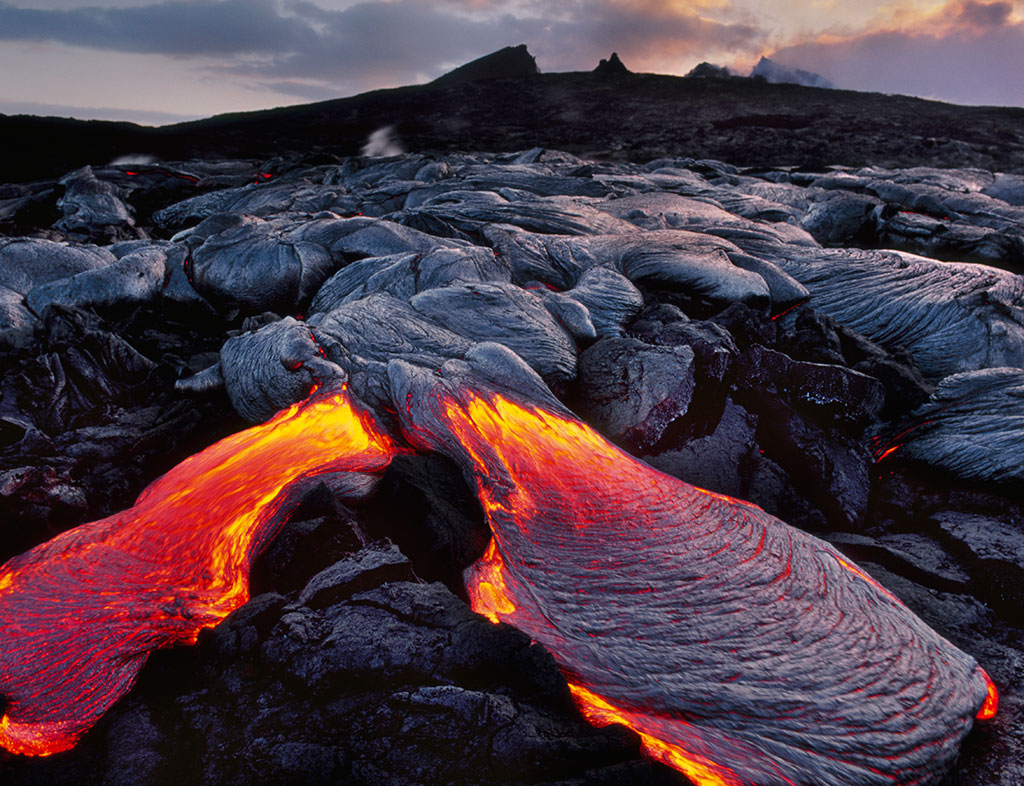
Fresh floral air and flawless coasts make Hawaii a tropical paradise. Having surfaced from the sea millions of years ago – fuelled by the power of volcanoes – Hawaii is one of the few locations across the globe where visitors can get up close and personal with an active volcano. Its calm, transparent waters make it the perfect spot for snorkeling and scuba diving, but one of the most unique underwater experiences is manta ray diving, where visitors can stand inches away from huge mantas and learn more about these alien creatures.


CapeTown

Cape Town, South Africa

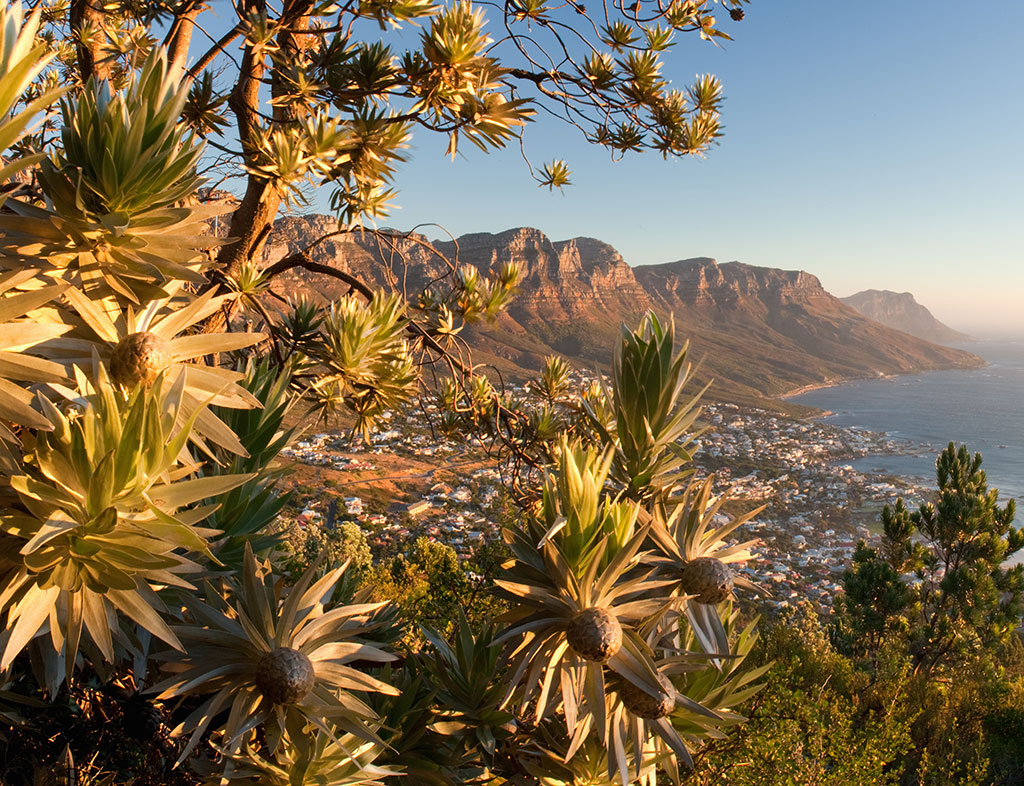
With its white sandy beaches and mountainous backdrops, Cape Town is packed with activities. If you’re hooked on fishing, the waters of Cape Town are home to the largest of the tuna species, the Yellowfin tuna, as well as cape salmon and hake. If you have bigger fish to fry and are a fan of Jaws, cage diving offers the opportunity to come face to face with Great White sharks, the streamlined swimmers that grow up to 20ft long.


Dominica

Dominica

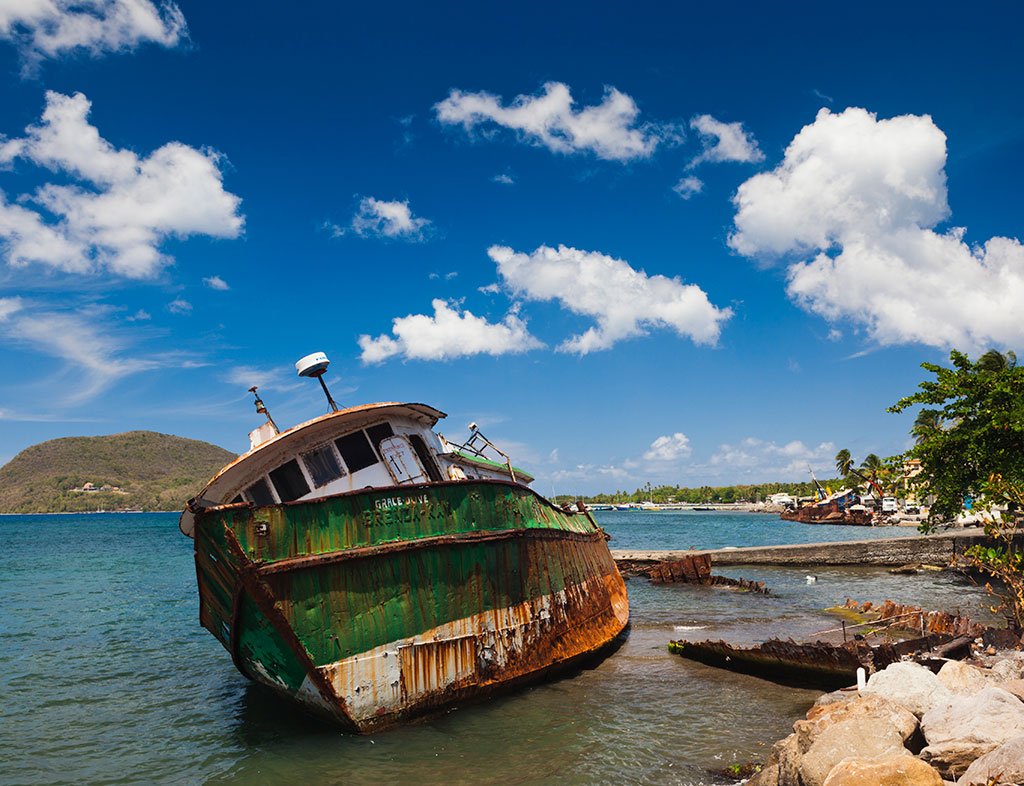
Tangled with tropical gardens and sprayed by towering waterfalls, Dominica is home to a host of wildlife, including frogs, parrots, turtles, whales and iguanas. The streets are filled not only with birdsong, but with calypso, reggae and local folk music. Float past rainforests and through rapids on a river tubing excursion or canoe through mangroves up the Indian River into the Glanvilla Swamp, a perfect site for keen birdwatchers.


Madagascar

Madagascar

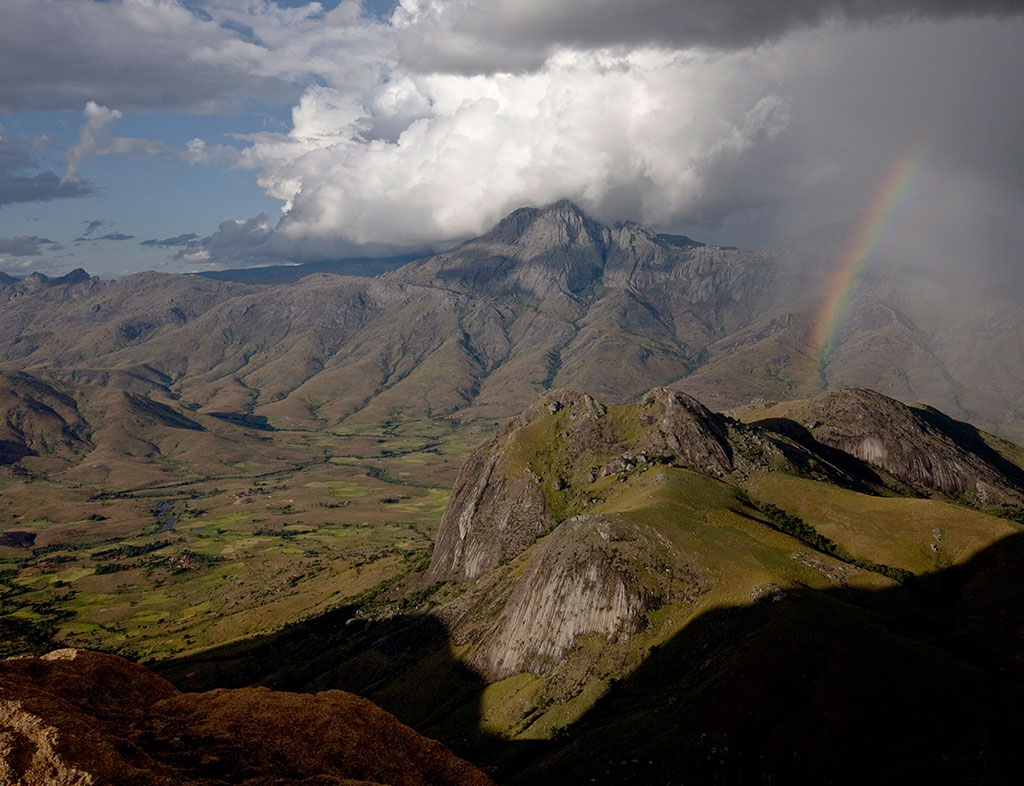
The world’s fourth largest island, Madagascar offers impressive landscapes, unusual history and rich wildlife. Wander through the rich green rainforest of Andasibe-Mantadia National Park and search for the native lemurs or explore the complex patterns of the coral reefs of Nosy Be, where you’ll find volcanic lakes, colossal whale sharks and vibrantly-coloured panther chameleons.

Duck!? No, Turkey and about to take off…

Its appeal has grown in 2013, as the weaker pound makes the eurozone unattractive to UK buyers, plans for the world’s largest airport get under way in Istanbul and in March the International Olympic Committee (IOC) evaluated Turkey’s strengthening candidature for hosting the 2020 Olympic and Paralympic Games.

Istanbul’s third ‘mega’ airport is forecast to be operational by 2017, when it will have a capacity of 90 million passengers a year. However, once complete, the new airport’s six runways will be capable of handling 150 million passengers a year, more than any existing airport globally. While its creation around 37 miles north-west of the city centre will strengthen Istanbul’s bid for the 2020 Olympic Games, for which it is competing against Madrid and Tokyo, the new airport is part of the Turkish Government’s longer term 2023 Master Plan – a nationwide programme of infrastructure developments due for completion in time for the centenary of the birth of the Turkish Republic in 2023.

“Given how much is happening, it’s hardly surprising global financial institutions continue to highlight the potential of Turkish real estate,” Turkish property specialist Spot Blue told the Overseas Guides Company. “Recently, accountancy firm Ernst & Young ranked Turkey the second most attractive market for investors in its 2013 ‘European Real Estate Trend Indicator’ report and PricewaterhouseCoopers ranked Istanbul number one for ‘Development Prospects’ in its 2013 ‘Emerging Trends in Real Estate Europe’ report.”

With this in mind, that you can still buy a new apartment in an Istanbul suburb for less than £60,000 seems incredible value. The city is already a cultural and commercial hub and has so much more potential thanks to the 2023 Master Plan, not forgetting Turkey was recently upgraded to investment grade by Fitch Ratings.

Turkey’s largest airport currently is Atatürk in Istanbul, which was Europe’s sixth busiest airport in 2012, recording more than 20 per cent year-on-year growth in passenger numbers. Ambitious expansion plans by Turkey’s national carrier, Turkish Airways, which by the end of June 2013 will have launched 30 new routes around the world within 12 months, means Atatürk is likely to overtake Madrid into fifth place during 2013. Antalya, gateway to Turkey’s popular Mediterranean coast, is Turkey’s second busiest airport.

Having never hosted the Olympic Games means winning the bid for the 2020 Games would be a huge boost for Turkey’s tourism and property markets, as well as encourage foreign investment and enhance its global standing. The winning country will be announced by the IOC on 7th September in Buenos Aires.

Even without the Olympics, Turkey’s popularity as a tourist destination continues to grow each year. In the most recent United Nations World Tourism Organisation report (2012), which ranks countries by the number of international tourist arrivals, Turkey climbed to sixth place from seventh. And in December, the UNWTO ranked the Mediterranean destination of Antalya as one of the five most popular tourist destinations in the world, on a par with Paris, London, New York and Singapore.

Richard Way is the editor at The Overseas Guides Company. For specific information on Turkey, go to www.turkeybuyingguide.com or call +44 0207 898 0549

A good long look at Long Island

Long Island, New York, just east of New York City, is the largest island adjoining the continental US, at 118 miles long. With almost 1,200 miles of coastline and over 70 beaches, it is so close to Manhattan, and yet a world away.

Despite being much more affordable than major metropolitan cities, Long Island is often overlooked as a meeting destination. And yet, access for international travellers is incredibly easy. Visitors can arrive at JFK International Airport, which is located on Long Island itself. Passengers can also touchdown via LaGuardia and the island’s own Islip MacArthur Airport. Public transportation includes the Long Island Rail Road, the largest commuter rail road in the US, a ferry service to New England, and public luxury coach buses. Private car and share-ride services are also available.

Leisurely pursuits
Whether you are looking for a waterfront resort or a property close to bustling NYC, Long Island has something to offer. Tour one of Long Island wine country’s 50-plus wineries and vineyards or host a private wine tasting and dinner for your group. Long Island wines have consistently won awards and have been served at the White House on several occasions.

The early starters can book a sunrise yoga session on one of the famous beaches (consistently rated among the top 10 in the US by the influential Dr Beach), or enjoy a clambake beach dinner if you can’t make it up in time. Gatsby-era Gold Coast Mansions have been transformed into hotels, banquet facilities and museums and are ideal locations for your next event. Alternatively, for a venue where the sky’s the limit, the Cradle of Aviation or the Airpower Museum bring the island’s rich aviation history alive and are available as attractions or reception venues.

No matter which region of Long Island you choose for your event, there is a golf course nearby. There are over 60 public golf courses, including Bethpage Black, site of numerous US Open Golf Championships.

Long Island may be famous for The Hamptons and its celebrity parties but it is all business when it comes to meetings and conferences. Home to major chains such as Marriott, Hilton, Hyatt and Starwood, Long Island also boasts beautiful independent properties and conference centres on the ocean, converted from mansions and well-known for housing Charles Lindberg the night before his infamous flight to Paris.

Going offshore
If you don’t want to be land-locked during your free time, charter a fishing boat from one of Long Island’s many ports for a half-day or full-day of sport fishing. Cruise along the Long Island Sound, which separates the island from Connecticut, in a private sail boat where you are your own crew. Alternatively, a lunch cruise around the Fire Island Lighthouse in an old-fashioned paddleboat on a warm, sunny day creates a memorable experience.

The next time you are organising a conference in New York, consider Long Island and all it has to offer you and your attendees – convenience, accessibility and affordability, with a variety of venues and attractions to make your event successful.

The Long Island Convention & Visitors Bureau offers its services free of charge and receives no commissions or fees to help you source your meeting, conference or event. As experts in the destination the Bureau is familiar with all of the available properties, exciting attractions, great transportation companies, and other vendors that will make your event successful. The Bureau is happy to arrange site inspections at no cost to you and will accompany you if you choose. Long Island offers personalised service to every client.

Further information: email: meetings@discoverlongisland.com; www.facebook.com/LongIslandMeetings; www.twitter.com/MeetOnLI; www.discoverlongisland.com

Savoy Sharm El Sheikh: A warm welcome

Egypt’s democracy is viewed around the world as a mixed blessing. My experience, even as a former BBC war correspondent, is that 99 percent of Egypt is safer than most places – and the remaining one percent isn’t on the tourist map. The Red Sea, the Mediterranean coast and the ancient sites in Upper Egypt around Luxor remain largely untouched by recent events.

Above all, Egyptians remain among the most welcoming people on earth. Egyptians invented global hospitality when Coptic monasteries opened their doors to the millions of pilgrims who flocked to visit the places that tradition holds were visited by the Holy Family during their three years in Egypt.

The perfect getaway
My grown-up kids living in Europe have me on their speed-dial to text, “Mayday Mayday!” when the winter blues descend. “Bring the grandchildren,” is my response. Where? “Sharm El Sheikh,” I always text back. And which hotel? The Savoy, of course.

The Savoy knows us now. They put the kids and their kids in appropriate rooms, sometimes in the Savoy, other times in the Sierra (which to the grandchildren is heaven on earth). And for me, it’s always a suite in the Royal Savoy.

That’s the flexibility of the Savoy Group. It figures out what’s best for its visitors, offer you great deals, such as huge discounts on fine cuisine, or like my family, my housekeeper and driver, they can provide us with separate accommodation, but within five minutes walk of each other. We can choose to eat together, which we do for breakfast and dinner sometimes, spend as much time as we’d like together in any of the pools or on the beach, or we can separate to pursue different activities.

There’s no other hotel where five-star blends into all-inclusive with such panache; I take my hat off to them. It’s an art, a vocation and a passion for service excellence. Who’s responsible? I have no idea, but my guess is that the Anglo-Egyptian family that owns the premier holiday hotel on the Red Sea, and is consistently awarded best in Egypt, have a natural talent. The family runs this world-class hostelry together, managing every detail dawn to dusk – try to find that in a global brand or franchise set-up.

The owners can frequently be seen sitting with a breakfast crowd, enjoying their company. It’s the culture in Egypt, an urge to get entangled. Take the Pharaohs: they didn’t want any old pyre or grave. They wanted to be buried in chambers that were, to them, the nearest they could get to the creator. That’s why they built the pyramids; to this day, the intricacies of their construction are uncertain, but if an Egyptian puts his or her mind to it, don’t stand in their way.

A personal experience
So, why should you choose the Savoy, or the Royal Savoy, or the Sierra family-style hotel? Firstly, they are all on the lush paradisiacal tropical grounds with swimming pool lagoons gently emptying into the private White Knight Beach, in the fabled Ras Mohamed protected national park on the Red Sea. But mainly it’s because you, the guest, choose what you want your experience to be.

Eating? You can go to Safari at almost any hour and fill your plate as many times as you wish from endless buffet bars. Or ask the chefs to rustle up eggs any style, or get a wok out and conjure up authentic Asian flavours that you will never forget. Alternatively you can choose fine cuisine in-house. Italian is popular, but the choices are infinite. Better still, take a five-minute stroll to SOHO Square, a pedestrianised square mile of great shopping, fine dining and endless entertainment. They bring in renowned singers from all over the world, that draw hundreds into sing-alongs and dances in the warm air that drifts in from the Red Sea.

Feel like some exercise? Go ice-skating or ten-pin bowling. Snag a cold one afterwards in Africa’s first Ice Bar. More likely, you’ll be fascinated by the passers-by. The world meets at SOHO Square. Guests in all the Sharm El Sheikh hotels can be taken there by coach. No wonder. People such as Prime Minister David Cameron and his wife Samantha bring their friends to flop out at the Savoy for a couple of days; they’re Dave and Sam to us.

Then there are the oil magnates from the Arabian Gulf. Their kids mingle with mine, the grandkids with my grandkids. Where on this Earth would you rather be?

Complex luxury
I’m implored to give readers some details, so I’ll summarise. The Savoy Group is spread over 200,000sq m. The resort comprises The Royal Savoy and Villas, the Savoy Hotel, the Sierra Hotel and SOHO Square, a square mile of restaurants, entertainment facilities and shops that have won the admiration of foreign and domestic visitors alike.

The three Savoy brands boast a comprehensive range of packages to fit all budgets. The nine Savoy Villas are unique, each styled and themed to reflect the luxurious lifestyle enjoyed over the centuries with the most up-to-date facilities. The Royal Savoy is the executive, stand-alone wing of the hotel, the highest level of accommodation and service, including 18 new opulent honeymoon suites.

The Savoy Hotel’s stunning architectural design attracts discerning visitors. Some 463 superior rooms range from singles, doubles and triples to the lavish presidential suite. There are excellent restaurants and bars, pools, a dive centre, sports facilities and a health club and spa.

The Sierra is a family-style, all-inclusive hotel with exceptional room options, pools, kids’ activities and an unrivalled health centre.

The Savoy has some of the most sought-after diving and snorkelling in the region and is close to many of the world’s oldest historic sites, as well as being only a few minutes from the centre of Sharm El Sheikh. The International Airport serves airlines flying between Europe and the Middle East, including capital cities such as London, Rome, Warsaw, Moscow and Kiev.

Those are the features, what about the benefits? The Savoy resort is a marvellous place to get away – to leave the hustle and bustle of Europe behind, to forego the Scandinavian frost, the long winters in Kiev and Moscow. Within a few hours you’re on a sublime beach, or out toasting by a pool. In the spacious grounds you’re never hemmed in like some other resorts.

But I asked my kids why they like the Savoy so much: “Everyone is so friendly,” they chorused. And that’s the truth of it.

For more information: www.savoy-sharm.com

The gifts and curses of black gold

Fort McMurray sits nestled in the northern boreal forests of the Canadian province of Alberta. This oil-boom town, at the convergence of the Clearwater and Athabasca rivers, has a population of over 61,000, which has soared by 26 percent since 2006, as people and businesses flock to the region for opportunities in the petroleum industry. It is located far from any major city, with the provincial capital Edmonton and economic centre Calgary situated around 500km and 800km away respectively. The growth in Alberta’s oil industry has provided huge benefits but has also presented unique challenges to the province and the city, which was first established in 1870 as a Hudson Bay Company trading post.

Petro dollars
Alberta boasts some 171 billion barrels of the world’s remaining oil reserves, about 13 percent of the global total. Only Saudi Arabia and Venezuela are known to have more of the black gold. Most of these reserves need to be extracted from oil sands, a naturally occurring mixture of sand, clay and water, saturated with a dense and viscous form of petroleum. The extraction process is difficult and costly when compared to other forms of oil. According to The Economist, most firms claim the oil extracted requires a market price of about $75 per barrel to break even, although Shell now says new developments have lowered this amount to $50.

Still, with oil prices recovering from their 2009 collapse and an ever-increasing global demand, companies are eager to invest in the province’s vast reserves. According to the Government of Alberta, capital investment in the oil sands between the years 2000 and 2010 reached $116bn and another $218bn is expected over the next 25 years. As of April 2012, there were 101 active oil sands projects with approximately 151,000 Albertans – one in every 14 – employed in the sector.

Alberta has benefited immensely; the government estimates that every $1 of investment yields $7.50 of economic activity. As the province owns natural resources, the Canadian Energy Research Institute also expects Alberta to earn some $350bn in royalties and another $122bn in provincial and municipal tax revenue over the next 25 years. With a population of 3.8 million, it is little surprise that Alberta has the highest GDP per capita of any North American state or province, at $78,000. Taken as a nation state, this would rank it fourth in the world, behind only Qatar, Liechtenstein and Luxembourg.

As such, business is booming. The province registered a GDP growth rate of 5.1 percent in 2011 despite the ongoing global economic malaise. By contrast, total Canadian GDP growth in the same year was only 2.4 percent. Companies have also been attracted to the province by its low personal and corporate tax rate, as well as a lack of general sales and payroll taxes. Labour productivity is the highest in Canada at $47 real GDP per hour worked, compared to a $38.20 national average, making relocation very attractive.

The Southern city of Calgary is already home to the highest concentration of corporate head offices per capita in the country and houses the Toronto Stock Exchange’s Venture Exchange. Canada finances 15 percent of world oil exploration, largely through Calgary, despite it being responsible for only five percent of global production. The Economist Intelligence Unit named Calgary the world’s fifth most liveable city in 2011, while Forbes named it the world’s cleanest city in 2007.

Back in Fort McMurray, residents have an affluent average income of $130,000 per year and 67 percent of homes are owner-occupied. The population is also distinctly youthful, with less than three percent above the age of 64. According to the World Health Organisation, the Regional Municipality of Wood Buffalo, where Fort McMurray is the main city, has been designated as a safe community, a distinction only shared with six other Canadian locations. The city also has an ambitious, well-educated population with 64 percent of residents over the age of 25 holding a post-secondary degree, certificate or diploma.

Alberta boasts 171 billion barrels of the world’s remaining oil reserves, about 13 percent of the world’s total

An inconvenient location
There are many challenges however. Fort McMurray’s isolated location means that transportation links are poor. A single carriageway, Highway 63, connects it to the Calgary-Edmonton corridor where the majority of Albertans live. A series of high profile accidents in recent years have earned it a reputation for danger. While traffic levels aren’t among the highest in the province, the road is traversed by wide trucks, often slowing down other vehicles. Reckless attempts to overtake such vehicles by motorists in a rush to cut through the wilderness could result in deadly, head-on collisions. It can take emergency crews over an hour to arrive at the scene of the crash.

This inspired the Government of Alberta to twin the highway in 2006, giving the area the type of road worthy of its economic clout. In excess of $1bn has been spent on road construction since 2005, including the twinning project, a new five-lane bridge and two interchanges in Fort McMurray itself. Albeit, the project is moving at a snail’s pace, with only 69km of road due to be twinned by the autumn of 2013. Residents have already held protests about the perceived lack of urgency following yet another deadly crash that claimed seven lives.

To make things somewhat easier, Fort McMurray does have an airport where the majority of flights have historically gone to Calgary and Edmonton. And as the economy grows, a greater destination range has become available. Planes now fly to Toronto, Denver and even Puerto Vallarta, Mexico. Private corporate jets have also become a common sight on an increasingly busy runway. Designed originally for 250,000 passengers a year, airport traffic has taken off in the last ten years with numbers increasing by over 900 percent between 1995 and 2011; they were last recorded at 707,907. Luckily for residents and businesses alike, the airport has been given the go-ahead on expansion plans, parts of which have already been completed.

Environmental backlash
Before Alberta’s oil can be utilised it must be transported via pipeline to special coking facilities. Currently, the only significant outlets are in the US Midwest. With strong demand and rising investment, production is bound to outstrip available coking capacity in the near future, risking the formation of an oil bottleneck. Calgary-based firm TransCanada is trying to alleviate the problem with a » new $7bn pipeline to refineries in Texas. The project, Keystone XL, would enable the transportation of 510,000 barrels of oil per day, but political wrangling is hindering its progress. TransCanada expects US President Barack Obama to approve the project in the first quarter of 2013 but it has faced a strong backlash from environmentalists and indigenous people.

Another pipeline project dubbed Northern Gateway is also being proposed by Enbridge Inc and would transport oil from Northern Alberta to the shores of neighbouring British Columbia, before being shipped by tanker to Asian markets. Like the Keystone XL project, Northern Gateway has been subject to many political problems, with the governments of British Columbia and Alberta yet to see eye-to-eye on profit sharing. Indigenous groups also oppose the project, which would cut through their territory. They believe spills would be inevitable and have negative effects on their traditional way of life.

The problems don’t end at pipelines, with the entire oil sands project deemed an environmental catastrophe by green activists. They claim it releases large amounts of greenhouse gases into the atmosphere, seriously harming the natural ecosystems, as well as both animal and human inhabitants. Companies operate large open-pit mines to get at the reserves, creating toxic ponds known as ‘tailings’ in the process. This poisons wildlife and turns the natural landscape into a barren wasteland. Canadian researchers have also found that levels of cancer-causing agents in the surrounding lakes are well beyond natural levels. All this has prompted environmental critics to start a ‘Rethink Alberta’ campaign, encouraging potential visitors to stay away until the government suspends oil sands expansion.

But oil companies and their supporters have hit back. They emphasise that water use in the industry is significantly lower than that of Alberta’s southern farmers, and that the companies are committed to ensuring that land used for mining will eventually be reclaimed. One firm, Suncor, has promised to give $1.2bn to deal with toxic tailings and to work with other companies to clean up the environment. The Royal Society of Canada has also published a report claiming the risk of cancer in communities downstream from the area is supported by “no credible evidence”, despite the increased levels of carcinogens found by other researchers. Controversially, prominent pro-oil sands activists have now launched a campaign promoting ethical oil, arguing production in Alberta is preferable to buying oil from Middle Eastern regimes with questionable human rights records, nuclear ambitions or a history
of supporting terrorism.

A profitable province
For now, Alberta continues to profit from its natural resource wealth but an overreliance on a single economic sector may be cause for concern. Information from Statistics Canada and the Alberta Ministry of Enterprise and Advanced Education says that 23.4 percent of the province’s GDP in 2009 came from the energy sector. On the other hand, this is down from 36.1 percent in 1985, suggesting increased diversification in the economy despite rapid investment in the oil sands. Four non-energy sectors registered the strongest expansion in this period: finance and real estate, business and commercial services, construction, and tourism and consumer services. The combined contribution of these sectors grew from 27 percent of economic output to 40. Overall investment also remains high with per capita rates standing at $18,930 in 2010, nearly double the Canadian average.

Alberta’s government has been keen to promote the advantages of doing business in the province, billing itself as a place with low tax rates, high growth and a skilled workforce. The province’s cultural and touristic profile has also been rising. Calgary hosted the 1988 Olympic Winter Games, and its annual Calgary Stampede – a tribute to the city’s western heritage and cowboy culture featuring bull riding, country music and a carnival – has become one of Canada’s biggest tourist attractions. Residents are likely to point out that unlike the moonscapes of mining in the Northern oil sands, the province’s Banff and Jasper national parks, part of a UNESCO World Heritage Site, are home to breathtakingly picturesque landscapes. At less than a few hours’ drive from many company headquarters in Calgary or Edmonton, a well-deserved break is never far away.

City guise

Just like companies, modern cities exist within a highly competitive space. Each city must fight to attract tourism, investment and talent. In response, many have taken to strategically marketing themselves to highlight their unique identities. Cities have become brands, their essence distilled into a marketing narrative designed to command the attention of a worldwide audience.

A successful brand creates an emotional bond between consumer and product; it entices, inspires and commands loyalty. The world’s greatest corporate brands have been engineered to portray a specific image of a product and to embolden it with a personality: Red Bull is exciting, Louis Vuitton is classy, and Apple is innovative. It’s not just about promoting a product or service; it’s about selling a lifestyle.

When it comes to lifestyle, there is perhaps no better portrait than that of a city. After all, it is in urban areas that people have come together for millennia to share in life, culture and business. Just like company logos, cities evoke their own diverse imagery: New York is exciting, Paris is classy, and San Francisco is innovative. For a city, a strong brand can attract business, boost the local economy and improve standards of living. People want to live, work, visit, study and invest in a place with a strong, aspirational character with which they can identify.

City brands have existed for centuries, developing as inhabitants grew to cultivate their own sense of self. These identities spread with the trade winds and along caravan routes to distant lands, where travellers told of vast cities of commerce, learning and religion. In the ancient world, there was no bigger centre of learning and philosophy than Athens, and this was known to people far beyond its own borders; by the middle ages, Timbuktu was a widely acknowledged trading hub even though it was in the middle of the Sahara desert; and who could forget the great religious cities of Jerusalem, Rome and Mecca, each proceeded by their reputation.

With the percentage of urbanites ballooning during the industrial revolution and the era of globalisation, identity became even more important for cities as competition between them grew fierce. Florence’s status as a banking powerhouse was taken by Amsterdam, which in turn would lose it to the omnipotent London. All roads used to lead to Rome, but now it is New York that confidently proclaims itself ‘the centre of the universe’.

These changes often took place slowly, shadowing the rise and fall of empires, the demand for various commodities and changing trade routes. Nowadays however, cities are aware of the importance of their global identity and with the world more interconnected than ever before, branding has become paramount. From the Americas to Asia, Europe to the Middle East, civic budgets are being spent on the promotion and marketing of urban spaces.

Keep it real
As a centre of commerce, trade and tourism, Amsterdam has always held an important place in European history. In recent times, however, its lustre began to fade as the global brand came to be increasingly associated with the drugs and prostitution of its neon-lit backstreets. While this image may attract certain types of tourists such as those hosting stag or hen parties, it did little to promote the city to businesses or families.

In response, civic authorities undertook a rebranding effort to return to the city’s core values of creativity, innovation and commerce. Launched as a public-private partnership, the ‘I Amsterdam’ campaign aimed to replace the predominant perception of ‘Sin City Europe’ with a portrait of a bustling and colourful metropolis filled with beautiful architecture, distinctive canals and cultural openness. In painting this image, the campaign did not deny the city’s risqué background. Instead, it made use of this reputation to portray Amsterdam as a fun-loving and diverse urban oasis with universal appeal; the red light district was but a small part of the city, in Amsterdam there was something for everyone.

While the slogan may seem a catchall to some, its wide scope celebrates a key aspect of this diverse city. Historically, Amsterdam viewed itself as a tolerant place where business and trade brought different cultures together. In paying tribute to this side of the city’s heritage, the campaign obtained a level of authenticity, gaining the support of local residents.

Since many of the world’s great cities have already established identities, successful urban brands have a good starting point. They can build on these while subtly and simultaneously tweaking them. During the 2012 Olympic Games opening and closing ceremonies, London celebrated the iconic features it has become known for: the Royal family, Britpop and its distinct sense of humour. These had helped put the city on the radar for generations, so there was no reason to change things. At the same time, however, London portrayed itself as a dynamic and changing society, constantly adapting while remaining true to itself.

Just like company logos, cities evoke their own diverse imagery

If a rebranding campaign is not seen as authentic then it is unlikely to be successful. Chicago’s leaders have often been embarrassed with the city’s reputation as a rough, gritty town synonymous with images of Al Capone and an underbelly of organised crime. Instead of embracing the city’s unique Midwestern history and gangster heritage, plans were made to transform the Windy City into a modern and sophisticated global hub. Money was poured into large architectural projects, cycling infrastructure and a failed Olympic bid to announce Chicago’s arrival on the world stage. Every global fad and trend was pursued, regardless of whether or not it fit the city’s profile.

Critics raved at first but eventually it became apparent that the branding was forced, inauthentic and lacking in spirit. Nobody was really sure what Chicago was supposed to be, as its unique history was cast aside in favour of generic global cityhood. The efforts never worked and modern Chicago is facing a state of malaise as a declining population and rising crime drag down the economy.

Standing out from the crowd
The rulers of Dubai had grand ambitions to transform their small desert settlement into a gleaming modern metropolis. In some 50 years, a town of only 30,000 people would become a city of over 1.3 million, lined with the world’s tallest skyscrapers, a plethora of elegant hotels and grand shopping malls. Now, when one thinks of Dubai, images of a millionaires’ playground of unmatched extravagance and excess instantly spring to mind.

A large part of Dubai’s success was turning what many people would have judged to be a disadvantage into a strategic asset. Because would-be investors, tourists and industry leaders have often had a myopic distrust of the Middle East as a land engulfed by conflict, instability and underdevelopment, Dubai would build its brand on setting itself apart from the rest of an otherwise precarious region. It was to be a bastion of stability and of luxury, a place where business professionals could work and play. Dubai quickly became the place to set up operations to deal with the wider Arab world, largely shielded from political upheaval and the rumblings of revolution.

The Dubai brand is instantly recognisable from that of its neighbours. In every corner of the globe, Dubai means something special; it is not just synonymous with the wider Middle East. People know that in Dubai you can dine on fine cuisine, shop for the latest brands, enjoy a level of freedom almost unheard of in nearby countries and even go skiing in the middle of July. The jewel in the Dubai crown is the Burj Khalifa. At 829.8m tall, it is the world’s tallest building and an easily recognisable symbol of the Dubai brand around the world.

Dubai’s success in distancing itself from negative Middle Eastern stereotypes – showing itself as an emblem of modernity and attracting tourism and industry – has now convinced nearby locations such as Kuwait City, Abu Dhabi and Riyadh to emulate its path and bring their own brands to a wider global audience.

This branding strategy is all about contrast: a city must recognise an opportunity to set itself apart from the wider region. In Asia, the city states of Hong Kong and Singapore flourish under what is a very similar position, in comparison to China and Malaysia respectively. They have become international centres of finance and business with a reputation for high standards of living, stable government and transparent legal systems.

Promoting these qualities has drawn countless businesses to set up shop there.

Putting themselves on the map
Beyond the annual Indy 500, few people know much about Indianapolis. The city didn’t have a negative brand; it had no brand at all. In response, some of the folks down at city hall decided to shake things up and in an effort to put the city on the radar, launched a bid for the 2011 Super Bowl.

They ended up getting the 2012 version of the gridiron showcase and went about turning the whole thing into one big advertising campaign for the city. With an army of journalists, tourists and corporate bigwigs descending on the Indiana capital, there was simply no better time to promote the place to a global audience. The event was the largest Super Bowl to date with some 167 million viewers tuning in to watch the New York Giants defeat the New England Patriots. Crucially for Indianapolis, everything went off without a hitch during what was essentially the city’s coming out party.

The entire downtown core was cordoned off as a special fan zone and all uniformed volunteers attended classes beforehand to ensure that they were as helpful and friendly to guests as possible. Their efforts were largely successful and after the game tourists went home raving about the so-called ‘hoosier hospitality’, which had made their visit to the Midwest so memorable.

As over half of the ticketholders were corporates, the spectacle also allowed Indianapolis to bill itself as a convention centre and business hub. The first thing most would have noticed when they arrived in the city was the new $1.1bn airport, a state-of-the-art facility and testament to Indianapolis’ infrastructure. The city’s ironclad hosting of the Super Bowl and other sporting events would have also drawn corporate attention. “I think our message to them is very clear – if we can host the world’s largest single-day sporting event for over a century, the Final Four regularly, and the Super Bowl – [then] we can handle your convention,” Chris Gahl, Vice President of Marketing for the Indianapolis Convention and Visitors Association told Forbes.

For lesser-known cities like Indianapolis, major sporting events have really helped put them on the map and promote their brand to a global audience. But it’s not only sports which can put a city in the spotlight. In Europe, the European Capital of Culture project highlights a unique pair of cities every year, allowing savvy urban marketers a great chance to bring their brand to a wider audience.

Similarly, the annual World’s Fair has been a promotional tool for cities to use for generations. And with city branding becoming an increasingly important factor in the success of the world’s greatest urban areas, these kinds of opportunities can ill afford to be missed.
Is this Korea life?

When Google Maps announced in January that they were about to publish satellite images of North Korea, the world waited with baited breath. Here was an unprecedented opportunity to see the world’s most shrouded state. But as users zoomed into the mountains and towns – and even the gulags – it became clear that the outside world was no closer to understanding the lives of regular people in North Korea.

The arrivals board at Sunan International Airport in Pyongyang is perhaps the most emblematic image of the DPRK’s separation from the rest of the world. It’s not often switched on, despite the odd scheduled flight from Beijing, Shenyang, Kuala Lumpur, Bangkok and Vladivostok. So the board sits still, no clanking letters changing to announce the latest alighting of cheerful visitors. The airport is not even equipped with Instrument Landing Systems; if the weather is bad, flights are cancelled or even turned back en route.

Tourist visas are only granted to residents of countries with diplomatic missions in Pyongyang, and even so only under strict conditions: the entire trip must be fully booked – flights, accommodation and insurance – far in advance for a visa to even be considered.

They are often turned down. Upon arrival, the mobile phones of foreigners are tightly packaged and locked in the airport for the duration of their stay.

Beyond the airport, precautions tighten. Visitors are not allowed to travel alone in the country and must be accompanied by an experienced guide at all times. In Pyongyang, there are only two hotels equipped for tourists. Most westerners are accommodated in the Yanggakdo International Hotel, situated on a small island in the centre of the Taedong River. Here, the main doors are reportedly locked at sundown and speculation is rife about the use of the mysteriously inaccessible fifth floor.

Cameras are allowed, but their owners are instructed to ask permission before every picture taken. They are subject to inspection at the airport and may be confiscated or have the memory wiped. Pictures of the country are thus rare, despite a relatively steady influx of small parties of visitors. North Korean policy is meticulously designed to present guests with the most carefully manicured facet of its society, but if something slips through the veneer, officials are at hand to deal with the evidence.

Same difference
Pyongyang is a city of sprawling boulevards but little traffic, where a solitary bus trundling down a four-lane highway is an eerie but regular sight. However, since Kim Jong-un assumed the reigns of the Kim dynasty in the wake of his father Kim Jong-il’s death, the number of smart cars zipping down the avenues is said to be slowly increasing.

Many had hoped that the son’s ascension would signal a break away from the father’s notoriously hard-line approach to governing. There are certainly more mobile phones, even if they are blocked for international calls, but food prices have spiked – partly because of drought and partly because a bungled rocket launch led to the US withdrawal of food aid.

“People were hopeful that Kim Jong-un would make our lives better, but so far they are disappointed,” said a Mrs Park, who spoke to the New York Times under the condition of anonymity during government-sanctioned trips to Dadong in South Korea, where herself and three other North Koreans spoke to the media. North Korean society can be divided into three political castes. At the top are the regime’s elite, who supposedly rarely interact with foreigners and live in exclusive and relatively luxurious villas, apart from the rest of the population. Then there is the outer elite, city-dwellers implementing decisions from the top. At the bottom are the population from the embattled countryside; these are the citizens most likely to bear the brunt of famines and extreme poverty.

But according to John Everard, Britain’s former ambassador to North Korea, despite the many difficulties that average North Koreans face, they are a nation like any other: “It is a country with real people, whose everyday concerns are often not so very different from our own: their friends, how their children are doing at school, their jobs and making enough money to get by.”

Carefully manicured
Like millions of us around the world, an average Pyongyang citizen might get up in the morning and take the tube to work. The difference is that the Pyongyang underground system, while immaculately clean, regularly leaves commuters trapped underground for hours on end. Frequent blackouts cause this, and are apparently worsening as 2013 progresses.

And the jobs the citizens seek to reach may seem unusual too. To maintain the polished façade of the city many people must work to perfect the details – sweeping streets with bundles of twigs and removing grass, by hand, from gaps in the paved plazas. A North Korean’s day will also be filled with civic pursuits, like rehearsals for ‘mass activities’ – rallies, parades, or meetings to “sing songs about Kim Il-sung”, Jong-il’s father and the nation’s ‘Dear Leader’ and ‘Eternal President’.

It is hard to tell what North Koreans make of the propaganda permeating their everyday lives. It was widely reported in the western media of World Cup football results being misreported in the state news, in favour of the North Korean side. A common story in the DPRK is that the mountains actually broke into dance celebrating the birth of Kim Il-sung.

North Koreans are also taught, via emotive billboards, to hate Americans, “but most of them did not,” claims Everard. Visitors regularly report a warm reception from the native population, with many people happy to pose for the camera of a curious tourist, yet state officials still spread word that February’s nuclear test was in response to US hostility.

Since Kim Jong-un has been in power the look of the streets has changed. People are allowed to wear more westernised clothes, once considered another capitalist affectation, and it is now possible to spot the odd Adidas cap or Mickey Mouse backpack alongside standard-issue ‘Juche fibre’ attire. They stroll around the city, often sharing the burden of their plastic bags in linked formations. It is hard to think what such little bags could carry that would warrant the strength of two adults. Perhaps it is another facet of North Korean life that westerners cannot possibly understand, every burden – and every blessing – however small, will be shared. Like the poverty, like the famine, like what little income city workers send home to their relatives in the countryside.

Terminal to the world

Renowned for its excellent service standards and stunning avant-garde design, Hilton Madrid Airport has become the first choice for international and national business travellers visiting the vibrant city of Madrid.

Nowadays, business means travel. Airlines have shortened the distance between one continent and another, opening a world of possibilities for business to be done on the move. Madrid has direct flight connections with more than 168 cities, making the capital of Spain one of Europe’s most important destinations.

Business travellers are always up against the clock, squeezing their agendas to make the most of their days, taking early flights, travelling many miles to the meeting venue, arriving late at night to the hotels, catching a taxi across the city to have a business lunch in a renowned restaurant and then going back to the airport to take the latest flight back home.

Hilton Madrid Airport has been carefully designed to ensure comfort and a hassle-free experience for all of its guests. Offering a wide range of possibilities to business travellers, whether they require a ‘meeting in transit’ or a large event for up to 600 people, Hilton Madrid Airport provides businesses with all the solutions to succeed.

Business meets pleasure
Hilton Madrid Airport also offers an original room concept, giving business travellers what they need to unwind after a day of work. The ‘relaxation rooms’ are designed so that the space, light and colours radiate peace and harmony. These spacious rooms have three different areas: a working area located behind the bed, a king-size bed for perfect rest and a luxurious marble bathroom with a hydro-massage bathtub and separate shower. One unique feature of these rooms is the location of the working area. It is situated behind the large bed, concealing it from sight and helping guests to completely disconnect from their work while they rest.

Between meetings and conferences, Hilton Madrid Airport guests can enjoy the hotel gym, equipped with Precor fitness machines, or take time to reduce stress in the sauna or relax in the hydrotherapeutic pool. Guests can also take advantage of the advice of the hotel’s personal trainers who specialise in workouts for clients who travel on a regular basis.

Don’t have time to work out between meetings but want to relax before or after a flight?

Hilton Madrid Airport offers tailor-made in-room massages and an in-room bath soap menu to unwind and boost your senses.

When it’s time for conviviality, the hotel has three main outlets: The Reserva Grill Restaurant specialises in grilled meats and seafood, prepared in an authentic Spanish style; La Plaza Restaurant includes an extensive selection of hot and cold items with local, regional and international options; and when the night falls, the Ferrum Bar becomes one of the hotel’s main attractions with its modern interior decoration and a wide selection of exclusive gins and whiskies. In spring and summer time the Ferrum Bar has a terrace, allowing guests to enjoy the summer breeze in the gardens with a relaxing cocktail and, on specific evenings, music and entertainment.

Connect and explore
Strategically located only five minutes from Madrid Barajas International Airport, six kilometres from the IFEMA Exhibition Centre and 15 minutes from the city centre, Hilton Madrid Airport looks after its guests with a complimentary shuttle service. This runs to and from all airport terminals from 5.30am to 1am. The hotel also offers a scheduled service to Plaza de la Independencia, a minute’s walk from Cibeles, Prado Museum and the Golden Mile Area.

With a total of 1,700sq m of flexible space, Hilton Madrid Airport has the versatility to adapt to all your business needs. Guests can host any special event in the hotel’s multifunctional area, purpose-built for exhibitions or cocktail receptions, with space for up to 400 people. The 6.5m-high Isabela Ballroom offers an impressive 455sq m – spacious enough to accommodate up to 580 people for weddings, banquets, product launches or other major events.

The hotel has 15 fully equipped meeting rooms. All meeting spaces have been awarded the prestigious Hilton Meetings Qualified certificate, guaranteeing the highest standards of service. Furthermore when organising events the hotel is highly demanding and rigorous.

An experienced team guarantees that all the necessary preparations for holding any meeting will become reality. Every guest hosting an event will be assigned a personal hotel representative who will guide, plan and coordinate the event according to your requirements and wishes.

Both international and national business travellers choose the Hilton Madrid Airport when they visit the vibrant and cosmopolitan city of Madrid. Explore the popular Retiro Park with its picturesque lakes, beautiful walks, gardens and the Military Museum. The breath-taking Plaza de Cibeles is Madrid’s most iconic square, and features the stunning Linares Palace, Buenavista Palace and Cibeles Palace. Shoppers will delight at the diverse outlets and boutiques available in Madrid. Indulge in designer shopping in the Salamanca district or discover the smart bohemian area of Chueca.