A true palace and stylish symbol of the Belle Époque, the Alvear Palace Hotel formally opened its doors in 1932. The hotel has always played a central role in Argentina’s social, cultural, political and business life. Conceived as a luxury hotel for European visitors, the Alvear Palace quickly became the city’s centre of class and refinement.
The hotel is located in La Recoleta, an elegant neighbourhood, home to parks, wide avenues, traditional cafés, restaurants, museums, imposing mansions and the stores of top international brands. The streets and avenues of Recoleta are lined with French architecture, which when combined with porteños – the sophisticated locals – leads many visitors to identify this area as ‘the Paris of South America’.
A history of elegance
Magnificent architecture and decoration put the Alvear Palace Hotel in a class of its own, making it a reference point for luxury hotels around the world. The Alvear is recognised globally for its unparalleled combination of hospitality, personalised service and modern technology.
The rooms and suites are elegantly decorated in empire and Louis XV style
The hotel offers 191 rooms and suites, 10 impeccable ballrooms, and the best restaurants in Buenos Aires; it’s the perfect place to stay when you’re in the city. The essence of the Alvear Palace, its history, elegance, and caring and dedicated staff guarantee a remarkable experience for everyone that visits the hotel.
The rooms and suites are elegantly decorated in empire and Louis XV style. Each spacious abode is filled with ornate furniture, sumptuous fabrics and beautiful chandeliers, as well as toiletries from Hermès de Paris, exclusively available in Argentina.
The Alvear Palace deluxe suites come with the added luxury of butler service, a fresh fruit basket on guests’ arrival day, 500-thread Egyptian cotton bed linen, large bathrooms with jacuzzi baths, LCD TV and a hands-free phone, a direct fax line, DVD player, and in-room PCs are available on request. There is also complimentary wi-fi internet access in every room and public areas, and access to the business centre and spa.
Star-studded retreats
A traditional meeting place in Buenos Aires, L’Orangerie Restaurant provides visitors with a relaxing environment, natural light and tasteful décor. It is the perfect place to enjoy a splendid breakfast, an international buffet lunch and, in the afternoon, the classic Alvear afternoon tea. Served complete with white gloves, Limoges tableware and enchanting piano melodies, afternoon tea allows guests to sample the signature Alvear Blend – an exquisite black tea with hints of almond, citrus and rose petal. On Sundays, L’Orangerie is the ideal place to enjoy a typical Sunday brunch, exquisitely prepared by the hotel’s executive chef.
Alvear Palace Hotel places a huge emphasis on customer service, ensuring guests always feel comfortable and have exactly what they need
Considered the best restaurant in Buenos Aires, La Bourgogne offers exquisite French cuisine from the inimitable Grand Chef Relais and Châteaux, Jean Paul Bondoux. Having trained in Paris, he is a member of the French Cuisine Academy, and Argentine judge for the Bocuse d’Or.
The Lobby Bar is an elegant space decorated with French-style wooden boiserie. Enjoy your favourite cocktail, delicious appetisers and a wide selection of wines in a space shared by famous faces and powerful businesspeople. Alternatively, try the Cigar Bar, specially designed for cigar lovers. It is the perfect place in which to enjoy an exclusive selection of cigars, the most outstanding distilled drinks, and the best chocolates in the world.
Guests at the Alvear Palace Hotel are also treated to a sun-drenched spa. Designed to awaken the senses, the Alvear Spa and Fitness Centre is a refuge for relaxation and serenity, where body care and rejuvenation are the only priorities. With a harmonious blend of luxury and excellent service, it’s the perfect place for guests to indulge in pure pleasure while enhancing their quality of life.
The Alvear Palace Hotel’s opulent package has attracted personalities from the world of art, cinema, sports and music, including: Gustavo Santaolalla, Mario Testino, Henry Kissinger, Daniel Barenboim, Zubin Mehta, Isabel Allende, Oliver Stone, Francis Ford Coppola, Antonio Banderas, Geraldine Chaplin, Sharon Stone, Sofía Loren, Oscar de la Renta, Carolina Herrera, Claudia Schiffer, Magic Johnson, Michael Schumacher, Shaquille O’Neal, Matt Damon, Paloma Picasso, and many others.
Little over 100 years ago, the Indiana-born entrepreneur Carl G Fisher led construction on America’s first transcontinental highway and beckoned in the age of the automobile. The Lincoln Highway opened on October 31, 1913, granting a passage through 13 states and stretching 3,389 miles coast-to-coast from Times Square to Lincoln Park. A century on, and what was then a marvel of engineering is now just one of many American road trip templates, but this once-barren stretch of land has become the setting for some of the greatest stories ever told.
At the turn of the century, roads were largely confined to the centre of major towns and cities and were then shared by automobile, wagon, bicycle and pedestrian alike. That is, until Fisher suggested that a coast-to-coast thoroughfare could link communities and boost trade. What’s more, in an age where many were as yet unconvinced by the merits of the motorcar, the transcontinental highway would upend the consensus and cement the automobile’s status as one of the most important inventions of the century.
[T]he road trip is now something of an art form in itself, and often a journey of self-discovery
The Lincoln Highway, and other cross-continental routes like it, stand as modern-day monuments to the spirit of American exploration and adventure. And where once motorcars were seen as nothing more than a practical means of getting from point A to B, the roads that have come to connect America’s states have given rise to the phenomenon that is road tripping.
The modern day explorer
Though the American road trip’s origins lie with H Nelson Jackson and Sewall K Crocker, who together piloted a Touring Car in 1903 from San Francisco to New York, road tripping now often has artistic connotation. Far from a simple vacation, the road trip is now something of an art form in itself, and often a journey of self-discovery.
There exists a range of recognisable criteria for the archetypal US road trip, handed down through a century of stories, pictures and songs. From Jack Kerouac’s On the Road to Hunter S Thompson’s Fear and Loathing in Las Vegas, and onto John Steinbeck’s Grapes of Wrath, road trips have offered plenty of writers inspiration over the years. And whether the prevailing emotion is one of uncertainty, tragedy or self-discovery, these trips have made, mended and broken countless individuals.
The road trip is now a recognisable part of America itself – the classic convertible car, the diner stop, The Boss blaring from the speaker system are all both quintessentially American and integral aspects of a road trip. The all-American road trip should certainly rank among the upper echelons of every person’s bucket list.
As was written by Kerouac in the seminal road trip text On the Road: “Nothing behind me, everything ahead of me, as is ever so on the road.”
Top down and carefree
It’s often the case that road trip guides are full of tick lists addressing practical considerations and a plethora of bring-along baggage. However, this approach ignores the very spirit that makes the trip an adventure, and the best advice is to do away with the practical side and take this occasion to be carefree.
In the spirit of freedom and discovery, the classic American road trip could never be quite that without the right car to complete it. Forget a reliable, all-purpose SUV and consider instead the unbridled cool of a top-down machine. The road trip is freedom, and there’s no better way to appreciate this than with the wind in your hair and the peddle to the floor.
However, with so many rides and routes to choose from, it’s hard to know exactly which are best suited to your tastes, so we at Business Destinations have taken it upon ourselves to suggest the ones at the top of the pile.
With summer in full swing now, this is the time to set out on that open road with that Americana-inspired open-top vehicle. Look to classic novels, don’t over plan, and make the journey itself the destination.
Routes
Carolina Scenic Byways, North Carolina
North Carolina’s Scenic Byways offer unparalleled views of the Atlantic and Intracoastal Waterway
North Carolina’s Highway 12 traverses all manner of coastal plains, and the 142-mile stretch of road demands that drivers roll the top down and welcome in the ocean breeze. The highlight here is the Outer Banks National Scenic Byway, which offers unparalleled views of the Atlantic on one side and the Intracoastal Waterway on the other.
A total of nine barrier islands obstruct the mainland coast from being buffeted by Atlantic winds and water, however, the weather still dictates the shape of the surroundings, and residents of the area’s 21 coastal villages all have outlandish stories to tell.
Overseas Highway, Florida Keys
The Overseas Highway links Florida’s mainland to that of the limestone islets of Florida Keys
First built in 1912 and originally intended as a railroad, the Overseas Highway spans a 113-mile stretch of the US Route 1 and links Florida’s mainland to that of the coral and limestone islets of Florida Keys. The roadway consists of 42 overseas bridges, which feed more than three million visitors annually to the now-popular tourist choice of Florida Keys.
In 2009, the overseas pass was granted the title of All-American Road by the National Scenic Byways programme – one of only 30 nationwide, and the only one in Florida to date.
Route 66, Arizona
The iconic Route 66 takes travellers on a stunning tour through destinations including Santa Monica, Los Angeles and Chicago
The world’s most famous roadway, Route 66, otherwise known as the Main Street of America, covers 2,448 miles of ground and originally ran from Chicago, Illinois to Santa Monica, California.
Although Route 66 has enjoyed tourist attention since its establishment in 1926, the roadway was officially removed from the United Sates Highway System in 1985 and replaced instead by the Interstate Highway System.
As was sung by Bobby Troup in 1946 and later covered by artists including Nat King Cole, Chuck Berry and The Rolling Stones:
“If you ever plan to motor west,
Travel my way, take the highway that is best.
Get your kicks on Route 66.”
17-Mile Drive, California
The 17-Mile Drive highway offers views of California’s Pebble Beach
There is no other road in America better suited to an open-top car than 17-Mile Drive. The road remains the main thoroughfare through the gated community of Pebble Beach and, as such, costs a pretty penny to enter. However, the ride takes you along California’s most impressive coastal roads and past the region’s must-see scenery, both natural and man-made.
Aside from the coastal view, the 17-mile route takes you past three golf courses, two luxury hotels and the Lone Cyprus Tree – one of the most photographed natural wonders in America.
Colombia River Highway, Oregon
The Colombia River Highway was the first planned scenic route in America
Known as one of America’s great scenic drives, the historic Colombia River Highway runs approximately 75 miles through Troutdale to The Dalles and stands as a marvel of early twentieth-century engineering.
The roadway, sometimes called The King of Roads, was built between 1913 and 1922 and was the first planned scenic route in America. The highway’s engineer Samuel C Lancaster famously remarked that he did “not [want] to mar what God had put there,” and constructed a passage that allowed road-users to enjoy the 4,000-ft deep and 80-mile long Colombia River Gorge in its entire natural splendour.
Cars
Lincoln Continental Convertible
A far cry from Ford’s affordable, no-frills vehicles, the all-American automaker’s Lincoln division sought instead to create a luxury car with an emphasis on design and style. The first generation of the Lincoln Continental was released in 1939, although it wasn’t until the 1960s and the car’s fourth generation redesign that it became synonymous with the road trip.
The automobile’s unmistakable angles and heavy frame are today sought out by car enthusiasts seeking to sample the retro machine at full throttle.
Ferrari Daytona
Source: Morven
Officially titled the Ferrari 365 GTB/4, this 1968 sports car is better known to the public as the Ferrari Daytona. Some say the nickname came as a result of Ferrari’s now-legendary one-two-three finish in the 1967 Daytona 24 Hours race.
In stark contrast to past Ferrari models, the Daytona exhibited sharp body contours, more reminiscent of a Lamborghini, marking something of a departure for the Italian automaker. On release, the Daytona was the fastest and most expensive road-going Ferrari ever, though satisfied customers soon declared it to be well worth the price tag.
Corvette Sting Ray
The second generation of the Chevrolet Corvette entered the market in 1963 and sparked delirium among motorheads far and wide. The car’s design was a futuristic surprise and featured unparalleled attention to detail inside and out.
The Sting Ray was painstakingly refined over the four years following its initial release, and although the car’s performance and styling underwent a fair few changes, the model’s unique frame remained largely unchanged.
Porsche Boxster
The Boxster is one of the most distinctive automobiles of the 1990s, and, on its release in 1996, became the first Porsche roadster since the Spyder 40 years previous.
The car is thought to have saved Porsche from failure in the latter stage of the 90s, and, from its introduction in 1996 to 2003, stood fast as the company’s biggest seller.
Much like its more expensive Cayman and 911 counterparts, the Boxster’s engine sits up front, and although it remains the cheapest model on the market, is a serious statement piece.
Ford Mustang
The first generation of the infamous Ford Mustang is America’s most-restored vehicle, and for good reason. Since its introduction in 1964, the machine’s long hood and short deck have inspired many copycats, though none have quite managed to rival its style.
On release, Ford estimated it would shift 100,000 units in the first year, but when the figure was blitzed only three months in, the makers realised they had something special on their hands. Fifty years on and the Mustang still invokes a certain sense of elegance, despite its muscular frame.
It has become the norm to find ‘Made in China’ on the bottom of a favourite plastic car, figurine or games console. Until recently, the vast majority of these freshly made China-branded toys were promptly shipped to foreign shores and stacked on shelves for Western consumers to lap up with unquestioning enthusiasm.
China today has rid itself of its status as a standalone, low-cost toy manufacturing base and come to rank alongside the world’s economic superpowers. Home to over 6,000 toy enterprises and 75 percent of global toy production, the country is the second-largest market for toys and games worldwide, after the US.
Euromonitor put China’s 2007 toy sales at $3.89bn and a colossal $8.3bn in 2011, equating to an average annual growth rate of 21 percent. What’s more, the China Toy and Juvenile Product Association believe the market will double from 2010 to 2015, to $9.5bn. China sits at the head of a booming Asia Pacific toys and games market, and is on course to surpass both Western Europe and North America by 2016.
Toy sales in China
$3.89bn
2007
$8.3bn
2011
$9.5bn
2015 (est.)
Economic momentum in the Asia Pacific region has brought with it vastly improved disposable income, organised retailing, new product launches and solid demographic fundamentals, all of which have played neatly into the hands of toys and games retail. Today the region looks in good shape to expand its size and stature by quite some margin, with the spend-per-child – particularly in China – projected to pick up pace spectacularly over the coming years.
Traditional toys
While the Asia Pacific market has dominated mobile gaming for some time now, having last year reeled in revenues of $5.9bn – far and above second place North America with $3bn – the region’s climb to the top of the traditional toys space has been rather less one-sided. In 2011, China was only third for traditional toy sales. Today, China dominates the traditional space far and above any other nation. Euromonitor estimates the market will account for 27 percent of traditional toy sales worldwide come 2017, and that China will rack up double-digit annual growth every year until then.
In an age where traditional toy sales in Western markets are slowing, and most consumers are migrating to consumer electronics, Asia Pacific buyers are only now beginning to latch on to the sub-sector. Due largely to impressive economic growth in South Korea, Thailand, Indonesia, China and India, the Asia Pacific region saw a six percent increase in value sales in the traditional toys and games space in 2012, and the rate is anticipated to expand in the years to come.
Although the region’s penchant for traditional toys is a relatively new phenomenon, this is not to say sales channels are by any means underdeveloped. Though the traditional sub-sector brings to mind simple over-the-counter sales and tucked away toyshops, improved shopping infrastructure and extensive online channels have propelled sales into the stratosphere. Above all, department stores have emerged as the preferred channel of distribution, as the region’s consumers look for discounts and a broader range of toys and games.
Whereas domestic toymakers dominate the medium-to-low end space, serving the wholesale and individually run outlets, established Western players have come to dominate the upper-bracket consumer space – the segment with the greatest scope for development. Though the spend-per-parent in China is far short of its Western equivalent, this should be seen not as a weakness but as a growth opportunity, given that the country’s middle class looks set to expand and its spending to skyrocket. Euromonitor estimates that China’s 215 million-strong newborn to 14-year-old population will contribute an additional $5.3bn to global traditional toy sales 2011-16.
Dolling it up
What’s more, the burgeoning market has welcomed an unprecedented number of major industry players, in particular Western toymakers whose opportunities have diminished in the stagnant European and North American markets. They have dived headlong into China, although attempts to strike a chord with domestic consumers have all too often failed.
World number one Mattel has faced its fair share of troubles. The California toy manufacturer was forced to shut up shop at its Shanghai House of Barbie mansion back in 2011, following a dismal introduction to China’s toy market. Though the all-American doll carries a great deal of commercial clout back home, the Chinese market was less enamoured with the improperly proportioned figurine, and parents promptly rejected the product.
The vast majority of mainland consumers care little for brands, putting design, quality and price ahead. A Hong Kong Trade Development Council survey in 2010 found that 31 percent of mainland respondents could not name a single toy brand, and 47 percent did not pay attention to brands when making a purchase.
Euromonitor put China’s 2007 toy sales at $3.89bn and a colossal $8.3bn in 2011
Nonetheless, the failure here was due primarily to China’s ‘Tiger Moms’ – so called due to their authoritarian style of parenting – and the failure of Mattel to understand their consumer needs. Unlike their Western equivalents, Chinese parents tend to focus on educational criteria and competitive pricing when selecting toys for their children, with brand identity counting for nothing.
The toymaker has since shown a much keener understanding of Chinese consumers, revamping its iconic blonde and launching a ‘violin soloist’ Barbie, among others, to appeal to educationally minded mothers. Aside from the scholastic slant, Mattel has been forced to concede Barbie’s premium price point. While the Barbie brand enjoys massive status in the US, the brand’s relative anonymity, combined with China’s cost-conscious consumers, means the product today costs as little as $13, a far cry from its American equivalent of $30.
As a result of the company’s adjustments, Mattel’s Chinese sales have increased threefold from 2010-13, and will continue to gain at a similar pace for as long as it shows the same degree of commitment.
Mattel’s circumstances illustrate a very broad point: that Western toymakers cannot simply take their existing business strategies and force them on Chinese consumers. In order to understand China’s hordes of retail-ready consumers, long-established companies must disregard what renown they may have at home, and seek to better understand the nuances of Chinese markets.
Building brick bridges
The problem is one that has been well understood by a select few toymakers, not least Lego, which has charged into China in a way no other toy company has managed to equal. The company has an advantage from the outset – it is an educational tool, something that resonates with Chinese children and parents alike.
However, Lego’s success was never guaranteed – far from it. It is testament to the company’s maturity that it has surpassed Hasbro as the world’s second-largest toy maker since entering the Chinese market. The Danish company has gone so far as to cite China as a future ‘core market’. The importance of its operations there were reaffirmed last year, as profits rose by nine percent.
Crucially, the company has built on its existing manufacturing presence in China. Whereas China was once seen as little more than a manufacturing stop on the supply chain, its extraordinary economic and social development has cemented its status as perhaps the most impressive toy market on earth.
The participation of world-leading toymakers combined with strong market fundamentals should see the Asia Pacific region play a much larger part in the toys and games market. And it’s not just the Asia Pacific, either. There are a number of emerging markets across the globe with similar characteristics. With China at the helm, the toys and games market looks set to experience a significant uptick in the foreseeable future.
Toy industry big hitters
Mattel
Revenue: $6.34bn
Mattel is still best known for its Barbie series of fashion dolls, which launched in 1959 and went from strength to strength. Roughly one Barbie doll is sold every three seconds around the world. In addition, spin-off media such as DVDs have heightened the brand, and its profits – Mattel has sold more than 125 million Barbie DVDs. The company also owns well-known young children’s toy producer Fisher-Price, as well as a host of its own properties such as Hot Wheels and the Masters of the Universe franchise.
Bandai
Net sales: $4.9bn
Japanese company Bandai is the world’s third-largest company in terms of toys produced, after Mattel and Hasbro. It makes toys, games and films spinning off from the popular Dragonball manga series, and owns licences to produce products for the Gundam and Power Rangers series, which are hugely successful in Japan, among others. It operates in the US as Bandai America, where it sells from its Japanese catalogue in addition to more US-focused products. In 2005 it merged with computer game developer Namco to form Bandai Namco Games, which runs successful franchises such as Soul Calibur and Dark Souls.
The Lego Group
Revenue 2013: $4.7bn
Lego bricks are enduringly popular around the world, and it is this – as well as the inherent ‘educational’ quality of Lego – that has helped the company move into foreign markets like China with less difficulty than other toy companies. The group also had an unexpectedly bit hit with The Lego Movie, which did strong business in a number of territories. The company’s now long-running computer game franchise, in which Lego characters playfully re-enact well-known films, is also selling well, particularly among younger gamers.
Hasbro
Revenue: $4.08bn
Hasbro has made a lot of money by allying itself to strong external franchises, as well as by reinventing its own products. It owns now-traditional games like Jenga, in addition to its own established names – like My Little Pony, which has spawned a whole franchise of its own – and a host of franchise tie-ins such as Spongebob Squarepants merchandise. It also produces actions figures and related products for Marvel’s extensive list of characters – a brand collective that has received a massive boost in recent years thanks to successful Marvel films and a general zeitgeist for superheroes.
Singapore Marriott Hotel is best known for its iconic green pagoda roof in the heart of Orchard Road – the business, entertainment, and shopping hub of one of Asia’s most cosmopolitan cities. Located on top of the Orchard Mass Rapid Transit station, the hotel is perfectly positioned to connect guests to the whole island. Guests can also indulge in a world-class retail experience with sheltered access to some of the city’s major malls.
The Singapore Marriott Hotel completed a $28m refurbishment by world-renowned design team Hirsch Bedner Associates in 2012, bringing travellers a new level of luxury. Complemented by the bespoke service that is a signature of the Marriott brand, including a dedicated events team, Singapore Marriott Hotel is our Best Business Hotel, Singapore, 2014.
Brilliant stays
Marriott is reinventing travel with bold new innovations and ideas. Guests enjoy tailored convenience even before their arrival, with the Marriott mobile app allowing them to check in anytime, anywhere. Upon arrival guests enter the resplendent lobby, a warm and welcoming open-plan zone where guests can meet, engage and socialise.
The hotel’s 12 function spaces and over 1,500sq m of meeting space gives customers flexibility over their venue
Guest rooms feature contemporary décor and are designed with the frequent traveller in mind. State-of-the-art furnishings and technology upgrades include two 1956 leather Eames desk chairs, Marriott Revive bedding, and an HD smart TV. Rooms have been overhauled to offer guests more efficient use of space, with bathrooms that feature large walk-in rain showers and extended vanity areas.
Two new room categories have also been introduced to cater for discerning guests. The premier deluxe room offers an elevated experience, while the studio room, with its separate workspace, walk-in wardrobe and dedicated vanity area is ideal for business travellers looking to work and relax effortlessly.
With the hotel’s luxurious collection of pool terrace suites, an alternative escape without forsaking the convenience of a town-centre location is now possible. Located beside the hotel’s striking, resort-style outdoor swimming pool, the pool terrace rooms marry Asian architectural influences with contemporary design elements. The lavish pool terrace premier suite features a private dip pool and verandah with day bed, while the two-bedroom pool terrace executive suite is perfect for families.
Iconic meetings
At the Singapore Marriott Hotel, meeting planners can be sure that every event is as iconic as the hotel itself. With Marriott’s new Meetings Imagined initiative, the hotel provides endless inspiration and seamless tools to make your meeting excellent.
The hotel’s 12 function spaces and over 1,500sq m of meeting space gives customers flexibility over their venue. Recently refurbished, the exclusive pillar-free grand ballroom has been given a new colour palette to enhance its mood and ambience. It features a spectacular translucent alabaster marble ceiling, which uses an intelligent lighting system to illuminate the whole ballroom. This winning combination of décor and technology adds grandeur and professionalism to any event – whether it is a wedding or a corporate function.
Marriott’s red coat programme and a dedicated in-house event management team also give planners the guarantee of excellent team support. Expect the latest technological equipment and event expertise, all held together by a single and visible point of contact.
Epicurean delights
The hotel’s five dining outlets present an ensemble of chic gastronomy for discerning diners. Whether you are craving authentic Cantonese cuisine, prime steaks or a wholesome sandwich to go, there’s something for everyone.
Marriott Cafe takes the lead with its mantra, “Freshness redefined”, seeking to offer connoisseurs the freshest buffet spread of international delicacies. As part of the hotel’s refurbishment programme, the restaurant now boasts a sophisticated ambience as well as an open kitchen block where chefs take centre stage to serve up highly curated menus à la minute. Gourmands can tuck into delectable premium roasts such as the crispy pork saddle with pancetta prune and mixed herbs, daily international specials, and local dishes such as chicken rice – not to mention the fresh spread of seafood favourites including oysters, snow crabs and crayfish.
The mantra at Marriott Cafe is ‘Freshness redefined’, and it does well to live up to this standard. The menu includes everything from crayfish to Chinese crepes, all cooked to perfection
Wan Hao is an elegant, award-winning restaurant in its own right, serving authentic Cantonese cuisine and dim sum classics amid resplendent décor of Chinese gold-leaf calligraphy and chinois artwork. One of the most popular dishes is the traditional Peking duck, slightly crisp and crafted to perfection, served with Chinese crêpes.
Crossroads Cafe is the place to see and be seen while enjoying an ice-cold beer in the heart of Orchard Road. The offerings of east-meets-west delicacies focus on high-quality produce prepared in a comforting fashion. Sumptuous signatures include the Marriott wagyu burger and local favourites like the fragrant Hainanese chicken rice. Don’t forget to check out the daily blackboard specials for mouthwatering off-the-menu offerings.
Guests find their way to the al fresco Pool Grill when they crave somewhere with a slower pace. With excellent service and delectable food, this chic restaurant is situated within the hotel’s resort-style oasis by the outdoor pool. The menu is carefully chosen with contemporary Western dishes and signatures from the grill, such as the 400-day grain-fed Australian Wagyu Beef and comforting fare like the Wagyu Beef and Duck Foie Gras Burger.
The hotel’s newest dining addition is Java+, a premium deli with imported products including cured meats, cheeses and fine wines. Its traditional English tea served at the Lobby Lounge lets one bask in old-world charm with platters of sweet and savoury bites. Fuss-free takeaway bites such as salads and sandwiches are also available for busy business guests.
The last century has seen countless individuals dubbed the greatest modern-day explorer. Intrepid travellers have scoured the globe for the last undiscovered locations, but few can justifiably lay claim to the title of world’s greatest adventurer.
Some of the best-known figures include those long since passed away, such as Norwegian polar explorer Roald Amundsed and Britain’s Sir Wilfred Thesiger, alongside still-active adventurers like Sir Ranulph Fiennes. However, one man is unrivalled in his exploration and contribution to untouched parts of the world: British adventurer Robin Hanbury-Tenison.
Hanbury-Tenison has spent over 50 years exploring the world’s greatest natural beauties and the people that live in them
Hanbury-Tenison’s travels have taken him deep into the Amazon rainforest, and around the staggering natural beauty of the forests in Borneo. While exploring these inaccessible lands, he has penetrated communities that have previously had little or no contact with the outside world, and seen the harm developed society is inflicting on them. As such, a great part of his career has been dedicated to helping their causes, primarily through the organisation he co-founded, Survival International.
Described in 1982 by TheSunday Times as “the greatest explorer of the past 20 years”, Hanbury-Tenison has continued to investigate far-flung parts of the world, while simultaneously campaigning for the rights of tribal people, lecturing, and writing books on his adventures.
Early life Born in 1936, Hanbury-Tenison has spent over 50 years exploring the world’s greatest natural beauties and the people that live in them. Studying at Austria’s University of Innsbruck before going to the University of Oxford, his eagerness to see the world would see him spend his holidays hitchhiking across Europe and to Yugoslavia, Turkey and Greece, before he embarked on a ground-breaking trip as soon as he finished his studies.
In 1957 he undertook an overland trip in a beaten up World War II Jeep from England to Sri Lanka. The trip was his first taste of the great hospitality of strangers, as he told TheTelegraph newspaper recently. “The most inspiring part of my travels has been how hospitality and generosity are deeply rooted human characteristics all over the world.
“Going along the Black Sea coast, we had a major car breakdown and we were taken in by a Turkish peasant family. Without thinking, they moved out of their bed and offered it to us and fed us. When we crossed the Dasht-e Kavir, the desert in Iran, and arrived at an amazing oasis, we were brought sweet meats and allowed to swim in the ice-cold water, which had come 400 miles from the Afghan hills.”
What possesses people to embark on such an adventurous and dangerous lifestyle is something Hanbury-Tenison believes stems from their upbringing. He has described explorers as being “very selfish people”, on account of their constant desire for the next challenge. He told Oxford University newspaper Cherwell in 2012: “It’s riven with clichés, but we’re all into finding the last blue mountain and all that. We want a bit of supremacy. And why? Because we’re inadequate in some way. It’s no coincidence that many explorers had powerful fathers and domineering mothers.”
Treacherous trips These trips might be full of adventure and wonder, but they are also teeming with danger. The expedition to Sri Lanka included such perilous moments. “Meeting wild bands of horsemen in the Afghan mountains, where we’d been advised not to go. When I went to shake hands, my hand was tied to a stirrup and we galloped off, with me hanging on to my fishing rod, taking great leaps across the plain.
“They then stood us there and galloped at us, firing their guns, to see how we’d react. I wished I had a proper movie camera because it would have been a great way to go. But Johnny established a rapport with them, discussing their horses, and they decided that we were human after all. It left you breathless with wonder.”
Not one to shy away from danger, he tells The Telegraph his most treacherous experience occurred while travelling by boat in Brazil. “On a boat journey from the Orinoco to the River Plate, there was a moment in the Pantanal in Brazil, where I capsized in the dark in a swamp full of caimans. That was as bad as it gets. I was afraid and was floundering around in two feet of water, trying to rescue everything I had, when I remembered the flask of potato moonshine my mother had seen me off with. That got me through the night.”
Uncovering lost worlds Borneo has played an important part in his life, with his 1977 trip to what is now the Gunung Mulu National Park a groundbreaking expedition that revealed a stunning rainforest and network of caves. Discussed in his book Mulu: The Rain Forest, the park is a relatively untouched rainforest that has provided scientists with a unique insight into the natural world.
He told TheTelegraph he felt most at home in Borneo, among the Penan nomadic hunter-gatherers. “I became friends with one, Nyapun, and staying with somebody who is that at home in the forest is a wonderful feeling because you’re completely safe. On one occasion, we set off late to join another group. I’d sent my rucksack ahead and he had just a blowpipe, a quiver and a loincloth. We were trotting through the forest when we came to a river in spate and couldn’t get across. But within minutes, Nyapun built a little house out of palm thatch with a platform to sleep on, then came back with a mouse-deer, which he cooked with green vegetables. We were bone dry in the firelight as the rain poured down.”
Of the many expeditions he’s conducted during his lifetime – around 30 at the last count – Hanbury-Tenison describes climbing to the top of Mount Roraima in Brazil as a particularly great achievement. He told TheTelegraph, “I’m not a terribly physical person but I got dropped off by plane a few days’ walking distance away and found my way to the top in the dark. It was very scary but I knew that there were prospectors up there. I nearly collapsed when I reached the summit because it was cold and wet, but I finally found them in a big cave with a roaring fire. Roraima is extraordinary – a lost world, with 3,000ft cliffs all the way round. On top, it’s like a magical rock garden of vivid jewel-like plants.”
Survival International Founded in 1969, Survival International perhaps represents Hanbury-Tenison’s greatest achievement. The human rights organisation was launched after he read an article that highlighted the plight of tribes in the Brazilian Amazonia, where genocide, massacres and land thefts were being carried out. In his autobiography, Hanbury-Tenison writes that the organisation was founded to help support such people.
A testy band of Afghan horsemen challenged Hanbury-Tenison on his travels. Luckily he was able to build rapport with them
“We decided that an organisation should be created to oppose these short-sighted policies; that it should be based upon principles which take into account the Indians’ own desires and needs rather than our society’s prejudices; that it should strive to protect the rights of Indians to their lands, their cultures and their identity; that it should foster respect for and research into their knowledge and experience so that through being recognised as experts they should be allowed to survive and we should learn from them and so contribute to our own survival.”
Shortly after he’d formed the organisation, the massacre in Brazil hit the mainstream press, highlighting how indigenous tribes had been forcibly relocated by the Indian Protection Service (IPS) in the 1940s. Many died of starvation, and the actions resulted in the near extinction of the Kanôc tribe. “Thus the concept of Survival International was born. When, a few months later, exposure in the European press of the atrocities perpetrated in Brazil against the Brazilian Indians by the very agency created to protect them, roused public opinion, we were ready to join in the slow process of raising money and building an organisation.”
The group has grown to become the world’s leading supporter of tribal people, and has seen its work recognised countless times, such as with the Right Livelihood Award. It has organised many campaigns across the world, including in Siberia, Canada, Brazil, Borneo, Botswana and Kenya, and received support from the UN.
Campaigning on behalf of tribal people is something Hanbury-Tenison feels should be a cause that unites all people, telling The Cherwell: “There are huge forces opposed to people and terrible things happening all over the world. If you’re looking for a cause to support, it doesn’t come greater than with tribal people.”
While the days of uncovering parts of the world previously unknown to man are ending, it does not mean that those passionate about different cultures and the natural environment cannot make important contributions to society. Hanbury-Tenison continues to do his part for poorly represented people, as well as acting as an unrivalled guide to those inquisitive enough to want to see the world’s remaining natural wonders.
From the Gobi Desert in the south, to the Khentii Mountains in the north, Mongolia is an untamed wilderness. The nation is vast, remote and landlocked – surrounded on one side by Russia, the other, China. Steppes stretch for hundreds of miles from east to west, a wild landscape speckled with centres of civilisation.
The country is the most sparsely populated in the world; 30 percent of the population are nomadic or semi-nomadic, and a further 40 percent live in the country’s capital, Ulaanbaatar. Despite the amount of Mongolians who still choose to travel the steppes and live an agrarian life, 70 percent of Mongolians have access to electricity – some nomads even travel with widescreen televisions that can receive a satellite feed in the middle of the grasslands.
There is vast potential for wealth here, wealth that the country can use to modernise
In this respect, Mongolia is a tale of two countries – a busy urban centre awaiting foreign investment, and vast expanses of land travelled by few. Mongolia’s story has echoes of industrial revolution on an extremely accelerated scale, but it still manages to evoke the myth of a frontier land of traders and horse tamers.
Riches of the Earth Mongolia has the potential to be a very rich country indeed. Beneath the soil all across the country there are hidden secrets: copper, coal, tin, tungsten and gold, even oil. Such is the extent of Mongolia’s natural resources that it has been called the ‘Saudi Arabia of Asia’. There is vast potential for wealth here – wealth that the country can use to modernise.
This nation of 2.8 million people could very well be the next big thing. In 2014 the Mongolian economy is expected to grow at a blistering rate of 15.3 percent – by far the fastest-growing economy in the world, a trend that the IMF predicts will continue for the next decade. As it stands, the Mongolian economy is small, with a GDP of just $11bn, but the country is ready to open itself to the rest of the world.
The potential to exploit natural commodities in Mongolia is on an almost unprecedented scale. One investment agreement between Rio Tinto and the Mongolian government to develop a mine at the Oyu Tolgoi copper deposit is expected to account for one third of the country’s GDP by 2020. At nearby Tavan Tolgoi, the rights to the world’s largest untapped coal deposit are about to go under the hammer. One estimate says Mongolia could have $1.2trn in natural resources ready to be exploited. Such is the country’s potential that Renaissance Capital named Mongolia the ‘Wolf Economy’, calling its economic growth “unstoppable”.
Since the early 90s, Mongolia has been trying to enact reforms that bring it closer to a free market. Mongolia’s economy is traditionally based on herding and agriculture and two-thirds of its exports go to China, making the Red Dragon a vital trade partner, even if it signals a potentially worrying reliance on the world’s second-largest economy.
In fact, none of the WEF’s predicted scenarios for Mongolia see the country escaping China’s grasp. Even in the best-case scenario, where Mongolia finds itself easily able to produce and sell goods and services, would require what the WEF call a ‘regional renaissance’ where “North-East Asia becomes more politically integrated, with strong economic growth”. The WEF notes that the country could be used as a bargaining chip if geopolitical tensions and resource scarcity begin to affect Asia, a situation that the Mongolian authorities will desperately seek to avoid.
Perhaps these risks are part and parcel of sharing a border with such a pre-eminent country; whatever happens in China will have deep ramifications for Mongolia’s economy. For now, it seems China is one of the most ardent investors in the country, but foreign money could benefit Mongolia greatly.
A country in flux The process of change began two decades ago, when the country transitioned from a Soviet-installed communist regime to a multiple-party system. Mongolia’s so-called Democratic Revolution changed the country’s make-up dramatically and the 90s were turbulent as reforms struggled to take hold. Food shortages and high inflation set the country back by as much as ten years, but the signing of contracts to develop mines in the Tolgoi region is a huge milestone for Mongolia’s economic reform. Mongolia has proven fragile in the past – the Asian financial crisis of the late 90s and a string of Russian bans on Mongolian goods both inflicted wounds.
The current slowdown of the Chinese economy could cause problems for Mongolia. When the economic crisis hit China in 2008, Mongolia suffered by proxy and endured an economic slowdown, albeit not a recession. Now, as Chinese demand for minerals and metals declines, Mongolia could feel the effects. This is never truer than with copper. Widely regarded as one of the clearest indicators of economic health, global copper prices have struggled this year due to domestic conditions in China. Reduced demand means an increasing stockpile of Mongolian minerals, and proves the risks of a relatively undiversified list of trading partners.
Despite this, the country’s populace are beginning to feel the trickling down of economic growth. Unemployment has dropped below 10 percent and real wages doubled within the space of twelve months last year. Foreign money could bring the country much-needed healthcare and educational reforms. During the Socialist era, the country virtually eliminated illiteracy thanks to a comprehensive programme of boarding schools for wandering nomads to leave their children at. During the 90s, these schools suffered funding cuts and illiteracy grew again. Recent reforms, including increasing the number of compulsory school years to 12, have started to tackle this with the help of foreign investment.
Meanwhile, the country’s healthcare system continues to thrive under the new inflow of money, but there are serious problems providing medical services in the deep countryside. More worryingly, according to a 2011 World Health Organisation study, Ulaanbaatar is the second most polluted city in the world; old cars, belching factories and the burning of firewood all contribute, but the problem is exacerbated by the city’s cold climate.
Ulaanbaatar is the coldest capital city on the planet, and the still air means that a near-permanent cloud of pollution hangs overhead. This problem is likely to develop as more Mongolians are moving to urban centres and away from an agrarian lifestyle, in an echo of the Industrial Revolution. The difference with Mongolia is the sheer pace of change – so fast that Ulaanbaatar and the country itself scarcely seem able to keep up.
Mongolia’s vast reserves of copper, coal, tin, tungsten, gold and oil give it the potential to become a very rich country
Ulaanbaatar still has telltale signs of its Soviet past – a seemingly endless sea of concrete flats that are now being modernised. The city is bustling with construction; Mongolia’s first skyscraper proper was completed in 2009, and high-rise apartments are now springing up across the city’s skyline.
Reaping the rewards Mining is driving economic growth and is slowly affecting every part of the supply chain. Everything from mining supplies, to transport, to the services required to manage the operations, is being built from the ground up, across the country. Perhaps most important is the revitalisation of Mongolia’s ailing transport network. A new airport is being built to service the capital, further opening the country to foreign investment.
The country currently has poor road links – only one road leads to Russia and there is no land link to China that doesn’t involve navigating the width of the Gobi Desert. Mongolia’s road network is as it was two decades ago, but since then the number of vehicles has more than doubled. A more extensive road system could benefit Mongolia’s nomads. Although some viable pasturing land will be destroyed during the construction, the opportunity to sell goods to travellers on the way to China is reminiscent of historically great trading links throughout the region, like the Silk Road. A major project, scheduled for completion this year, will integrate the country’s roads with the Asian Highway system so that, by 2015, a driver will be able to cross Mongolia to get between Russia and China for the first time.
The Mongolian rail network enjoys good links to Russia and China on the mainline between the countries, and with low cargo capacity at the nation’s airports, this remains the only practical way to move goods in and out of the country. Asian Development Bank loans in the 90s allowed the country to modernise airports, but by 2005 only four had paved runways and most were below international aviation standards. This second phase of development, and especially the new airport at Ulaanbaatar, will go a long way to opening the country to the rest of the world.
Mongolia’s banks are feeling the boons too, growing by as much as 50 or 60 percent yearly because of all the interest in the country. Loans, deposits and profits are all up, but the banking sector still consists of a handful of banks commanding the majority of the market.
Sticking points It’s not all good news. The country is on the path towards economic freedom, but it’s not there yet. The 2014 Index of Economic Freedom blames the government for lagging reforms: “Despite notable strides made over the past decade, the momentum for deeper institutional reform has largely stalled. Prospects for enhancing economic freedom remain curtailed by a lack of institutional commitment to strong protection of property rights and by ineffectiveness in fighting corruption.” Part of the delay is caused by the Mongolian government’s nervousness of foreign investment, fearing that investors might immediately sell valuable assets to Chinese companies, increasing their reliance on the economic giant.
Meanwhile, the country’s currency, the tugrik, is under heavy intervention from the government to keep it stable as it sinks to historic lows against the dollar. This is the result of poor exports last year and falling foreign exchange reserves.
The problems are compounded by the fact that an estimated 100,000 Mongolians are participating in illegal mining – small-scale digging operations looking for ore to sell on the country’s grey market. Although exact figures are hard to come by, it is believed these illegal operations now produce more than the formal mining sector. If this is true, then the Mongolian government has real work ahead to regulate the industry.
But such modernisation puts the Mongolian nomadic tradition at risk. As expansion of mining operations chews up more steppes, the government is making the first moves towards privatising land. If this happens, nomadic herders will find themselves forced out of traditional grazing grounds. Unfortunately for Mongolia’s nomadic population, the government is set on attracting more foreign investment, and land reforms are a necessary evil in achieving this. While it remains to be seen what will happen over the next decade, Mongolia’s nomads find themselves in a delicate position.
The potential for economic growth in Mongolia is strong. With immense natural resources and a government that seems increasingly committed to forging links with the outside world, both politically and economically, the country looks set for a period of prosperity and progress.
In a truly bizarre turn of events, 56 Chinese hotels asked to have their five-star ratings downgraded last year. Meanwhile, an untold number of four-star establishments stalled planned improvements to skirt a potential ratings upgrade, according to state-run Xinhua. This newfound aversion to the Chinese National Tourism Administration’s (CNTA) top ranking has come by way of a government ban on party officials splurging money at five-star establishments, and is just one of a series of measures aimed at curbing Chinese excess.
Whereas once the five-star rating was a guarantee of turning profit, the rule of President Xi Jinping has coincided with a clampdown on lavish spending and an emphasis on frugality, effectively changing the complexion of China’s tourism industry.
Owing to China’s recent tourism boom, the mainland hosts more than 4,000 starred hotels, 680 of which have qualified for the CNTA top rating. What’s more, the population’s insatiable appetite for travel has expanded to such a degree that it became the world’s biggest tourism spender last year, with new hotels being built at a rate unseen in the developed world.
Key industry players have gone to great lengths to ensure they get in on the action, with Starwood, InterContinental Hotels Group and Hilton all bringing their brands to mainland markets. Hilton ended 2012 with 34 Chinese properties – a sizeable increase on the four it had there only four years previous.
[G]rowth is slowing and tourist numbers are on the decline
Hotel industry declines
Market research conducted by IBIS World puts the hotel industry’s annual growth rate at an impressive average of 9.3 percent in the five years preceding 2014. But now growth is slowing and tourist numbers are on the decline.
According to Chen Miaolin, Vice President of the China Tourism Association and the man who broke news of the five-star downgrades, the industry suffered a 25 percent revenue decline last year and some 20 hotels were forced to close every month. On the other hand, the China Tourist Hotel Association states that a new international-brand hotel is built every four days.
Despite conflicting reports of hotel numbers, what’s certain is that the rate of supply far outstrips that of demand, and many in the luxury hotel industry have fallen foul of dwindling occupancy rates. According to STR Global, while demand for luxury accommodation increased by four percent, supply was up 7.4 percent.
Occupancy rates at China’s five-star hotels came in at 57.6 percent last year, far short of that in neighbouring South East Asian nations and the 70 percent industry standard – the rate at which five-star hotels break even. In the past, high-end hotels could operate at a loss by taking advantage of concessions granted by local government, who saw five-star establishments as a way to boost renown. Last year this corrupt system was brought to an end.
Regardless of the downturn, hotel operators, international groups in particular, have been reluctant to halt expansion plans. That is, until the austerity drive and clampdown on corruption really took hold at the end of 2012.
Luxury sector suffers
Chen has attributed the slowdown in the luxury hotel sector, at least in part, to the government ban on five-star spending, and he admits that New Century Tourism Group, of which he is chairman, has been forced to rethink its business strategy to weather the changes.
Overall, the group experienced an 18 percent decline in revenue across its portfolio of 64 properties last year, which includes 40 five-star establishments. Its government business has shrunk to less than three percent of catering revenue, as opposed to 15 percent prior to the clampdown.
The hotel industry is not alone in suffering at the hands of austerity, however, with the same effects extending to the whole luxury sector. Coinciding with declines in the hotel industry is a 25 percent fall in gift-giving through 2013 – another consequence of Beijing’s anti-corruption measures.
Extraordinary circumstances
While China surpassed America as the largest market for luxury consumption in 2012, and has since grown to account for 29 percent of the market, according to Bains and Co, luxury goods are now seen as a symbol of China’s widening disparity between rich and poor.
Therefore, at the close of 2012 came a government plan to discourage excessive spending, ban the luxury goods advertising on state-run media, and bump up taxes on the purchase of high-end products and services. As a consequence, luxury spending experienced its third consecutive year of decline last year, and fell by 15 percent in 2013 on an annualised basis, according to Hurun Report.
The unusual solution for hotels may well be to get rid of their up-market reputations if they are to stay afloat. In an industry characterised by low occupancy rates and over-competition, hotel operators can ill afford to do away with a line of business that has long constituted a considerable chunk of their customer base.
However, it may also be the case that China’s luxury hotel industry is in the midst of a wholesale structural change, as it ends its reliance on government officials and begins to capitalise instead on an influx of international and domestic tourists.
Heathrow Airport’s Terminal 2 opened to the public today, following a £2.5bn transformation. The first passengers arrived from Chicago shortly before 6am GMT.
Dealing with only 17 flights on its first day, all with US carrier United Airlines, the terminal will build gradually to full capacity. The cautious approach was prompted by the botched 2008 launch of Heathrow Terminal 5, when a baggage glitch resulted in 200 cancelled flights and 15,000 lost bags. Six months of trials involving around 14,000 volunteers were carried out to avoid similar embarrassment.
Terminal 2 in numbers
26
Airlines operating in the terminal
60
Check-in desks
17
Restaurants and 30 shops
The expansion will provide extra fuel for Heathrow Airport’s bid to build an additional runway. The four-year project utilised 140 contractors from across the UK, providing employment for around 35,000 people. At peak operation Terminal 2 will employ a team of 26,000.
Construction involved demolition of the original Terminal 2 building, opened by the Queen in 1955. Named The Queen’s Terminal in her honour, it boasts high-end shops including John Lewis and a new Heston Blumenthal restaurant. The Queen will officially open Terminal 2 on June 23.
At 40,000sq m and with 28 gates, it is hoped the terminal will handle 16 million passengers by the end of 2014. Its full capacity is 20 million, over 16 times that of its original incarnation.
Scandinavia has been on everyone’s lips since the likes of The Killing and Borgen entranced viewers. Now, Scandinavian designers are making waves for reasons other than show-related knitwear, as clean lines and cool, business-friendly outfits are drawing in a whole new crowd.
Labels such as Acne, Sand, Tiger of Sweden and Filippa K all offer smart pieces and accessories, which more and more professionals are taking to wear at work. What’s more, over 90 percent of the turnover from Scandinavian fashion is generated by sales abroad.
The explanation for this sudden burst in popularity lies in Scandinavian fashion springing from a modern, minimalist tradition, which caters to everyone with practical and chic clothes. A number of Danes and Swedes prefer versatile clothes that can be worn both at work and at home, ensuring a presentable look in either context.
“Our clothes are not made for a specific demographic, they are supposed to function for those going to work as well as those doing things at home. It basically captures the zeitgeist, by offering quality and affordability through designers who speak to the people,” explains Anne Christine Persson, VP and Development Director of Copenhagen Fashion Week.
Fashion for everyone
In this respect, the Scandinavian style is practical enough for work, yet clean-cut and cool, like the Nordic way of living. It allows both women and men to quickly transition from work life to domestic life, doing groceries or cleaning the house in comfort. The minimalist fashion is a reflection of Scandinavian societies.
However, Nordic minimalism can also be traced back to the design philosophy of the region’s famous modernist designers, such as Poul Henningsen and Børge Mogensen. While they designed furniture, not clothing, the approach was the same – to create beautiful and practical designs that lasted. Henningsen gave himself an extra challenge. He wanted to be a part of a democratisation process that made good design available to everyone, so he designed with mass production in mind.
“We have been famous for our furniture for years. In this respect, it also goes for our fashion that the functional, minimalist image is appealing to a lot of people,” says Persson.
According to Mads Nørgaard, one of Denmark’s leading menswear designers, “Danish designers like to make ‘democratic clothes’ – that is, clothes that could be worn by anyone from a construction worker to a marketing director.” As such, most Scandinavian designers also prefer to keep their prices mid-range.
Acne is known for its minimal designs, focusing on interesting structure and texture
The Scandinavian fashion industry prides itself on offering ‘affordable luxury’ – essentially providing heritage, wearability, quality and durability at a fair price. “This is essentially also why Scandinavian design is so popular – because it appeals to everyone and is for everyone – pricewise,” explains Persson.
“Scandinavian design is functional, minimalist, but most importantly, it is democratic and inclusive. You get a lot of bang for your buck – great tailoring and luxury for an affordable price,” Persson told Business Destinations.
Another key staple of Nordic fashion is the colour scheme. Scandinavian locals like black, and preferably a lot of it. Attire from Nordic brands is often in shades of black, grey or brown, with few endeavours into colours and print. In this respect, it is understated simplicity, stylish cuts and high quality of clothing that make Scandinavian design stand out.
What’s more, Nordic design is currently enjoying a lot of good press. The general likability associated with Scandinavians and their happy, sustainable societies is being rubbing off on fashion, with people wanting to wear and be associated with this ethos.
“There is a level of likability about our fashion. Our designers are often sustainable and make products of a high quality, in addition to the Nordics getting a lot of attention right now, which means people want to be connected to our brands,” explains Persson.
Positive image
Generally, Scandinavian designers are not known for in-your-face design or loud publicity, which encourages shoppers to go and find out about a product rather than buy into an established brand. Unlike designers with well-known logos, expensive ad campaigns and sponsorship deals, Nordic brands retain a sense of exclusivity (despite being universally accessible).
“Our brands have an appealing image. If you compare Nordic design to French fashion, it’s typically very high-fashion and complicated, while UK fashion is more street and quirky, Italian design tends to be a bit over-the-top and US fashion has a sporty edge. Nordic fashion manages to encompass it all, without being too much of anything – making our brands very understated and clean-cut,” says Persson.
When it comes to high-street brands, H&M offshoots like Cos and & Other Stories offer minimalism, edginess and clean lines for an everyone-can-join price. Designers such as Acne, Bruuns Bazaar, Filippa K and Tiger of Sweden are all known for their sharp tailoring, innovative design and all offer suits with an urban edge.
And shoppers won’t need to travel to Scandinavia to enjoy the fashion. Most of the bigger brands are sold at retailers across the globe and some designers even show their collections at London Fashion Week. What’s more, with online shopping gaining traction, most of these designs are but a click away.
The Hotel, Brussels – inspirational, elegant and cosmopolitan – has just emerged from a two-year period of renovation. Located on the Boulevard de Waterloo in Brussels, The Hotel has become the premium landmark lodging-place of this European capital and is Business Destinations’ Best Business Hotel, Belgium, 2014. Guests are now treated to a total of 421 renovated rooms and suites, 12 completely new meeting rooms (of which eight are located on the top three floors), two ballrooms, a foyer on the first floor and a spa and fitness centre on the 23rd floor. The Restaurant by Pierre Balthazar has an innovative and creative culinary concept, and there is also a bar and lounge on the ground floor. The interior design throughout the property is inspirational, elegant and innovative. And no matter where you are in The Hotel, the view of the city is spectacular.
Sophisticated makeover
The exciting renovations began with the guest rooms in November 2011, designed by Spanish architecture agency GCA Arquitectes Associats. During the work, The Hotel remained open to guests. They ended in late 2013, with some small details in The Restaurant on the ground floor.
The most striking feature of the new rooms is the revolutionary layout
The most striking feature of the new rooms is the revolutionary layout. Gone are the obligatory desk, corner armchair, curtains, and traditional floor and table lamps. Today’s modern business traveller carries a smartphone or tablet, so there’s no point in cluttering up the room with a big, bulky desk. A leather sofa runs across the entire width of the room, in front of the window, accented with a practical, oval table. The space has been carefully optimised to provide the visitor with maximum utility, whether it’s to work, relax or simply enjoy a great view of Brussels.
Traditional curtains have been replaced with sliding semi-transparent panels that can filter in light if desired, while the room itself can also be electrically darkened. Another striking detail is the way in which the bathroom becomes part of the open-plan space. This contributes to the overall feeling of spaciousness, but also allows visitors to admire the fantastic views, even from the shower. Guests can choose from superior rooms, deluxe panorama rooms, 14 panorama suites, three suites splendour and The Suite.
The Hotel provides a unique experience, centred on its cosmopolitan identity. Details like fine Egyptian cotton bed linen, books and magazines about fashion and haute couture, free drinks in the minibar, luxury toiletries from CO Bigelow, and design objects in the suites elevates the whole experience.
Technology is vital to the modern business traveller. At The Hotel, guests can use the Mediahub to connect electronic devices (smartphone, tablet PC, digital camera, video camera, iPod, iPhone or games console) to their in-room television, providing instant access to music, videos, photos and games. Smartphones and tablets equipped with Bluetooth can also stream audio wirelessly through the TV.
Smartphone-carrying guests can use their device to unlock their room, and check in and out. There’s no need to wait in line at reception or bother with a keycard.
The Hotel app has been designed in conjunction with American company Intelity. It provides information about Brussels, and for anything connected with The Hotel – from ordering room service, an extra cushion or a wake-up call, to information about the location of a meeting, to booking a taxi or private chauffeur. The renovations provided the perfect opportunity to create an eco-friendly, energy-efficient set-up, and replace the heat, water, gas and electrical installations with more environmentally friendly solutions. The Hotel will be fitting a cogeneration system, which will recover waste heat and re-use it to supply most of the hotel’s heating needs. All incandescent lamps will be replaced with LED lighting, and the temperature in unoccupied rooms will be centrally controlled. These modifications will reduce carbon dioxide emissions by 20 percent, a saving of 50 percent on total energy consumption compared to the previous management.
Inspiring heights
Recently, eight meeting rooms on the top floors (25th, 26th and 27th) have been given The Hotel makeover. They boast spectacular views as well as all the necessary business facilities, such as unlimited wi-fi, LCD projectors and built-in screens. The open foyer, which stretches the length of the building, and rooms which offer a practically 360-degree view, provide an ideal setting for fashionable and stylish events.
The Panorama Lounge on The Hotel’s 24th floor features beautiful view of Brussels. Guests staying in the deluxe panorama rooms and suites can take their breakfast here in the morning, and enjoy drinks and snacks throughout the day. Decorative bookcases hold a selection of lifestyle books.
The Hotel is a cultural hub, with haute couture fashion showcases in the lobby
Call into the The Urban Fitness and Spa on the 23rd floor if you are in need of relaxation or exercise. As well as a gym with ultra-modern cardio and power fitness equipment, the state-of-the-art fitness centre also boasts a spacious sauna, a steam room, two relaxation rooms and three rooms for massage, manicure and beauty treatments. The views from the sauna make the experience unique.
There are two spacious ballrooms and a foyer on the first floor of The Hotel, with a capacity of up to 400 people. The Park Ballroom overlooks the Egmont Park, while the Grand Ballroom is located on the side of the Boulevard de Waterloo and can be divided into three separate rooms. The stylish yet simple layout of the rooms suits any type of event.
On the ground floor, Pierre Balthazar, Culinary Director, has set up an innovative and international dining concept – The Restaurant. This original product takes guests on a delicious journey to France, Italy, Thailand and Belgium, via the imagination of international chefs. Collaborating closely with Pierre Balthazar, each chef used the same nine seasonal products to create two variations: a classic and a creative preparation.
The three chefs will come to Belgium 10 days per year to cook with Pierre Balthazar, putting on events and adapting dishes to the current season.
At the start of 2015 one international chef will be replaced by another, keeping the offering dynamic and introducing new cuisine. The view of the Parc d’Egmont from The Restaurant will allow guests to forget the urban hustle and bustle. The location of The Hotel on the fashionable Boulevard de Waterloo is and will always be unique. It is not without reason that world-renowned luxury lifestyle brands have established themselves on the Boulevard. The Hotel sees these brands as partners and potential clients and has installed eight cubic showcases in the bar, fitted to host mini exhibitions.
Starting next year, The Hotel will also have large showcases in the lobby and public areas, which will treat guests to haute couture-themed exhibitions. A fashion manager was especially recruited to strengthen the partnership with the international fashion world and to create a fashion agenda for 2014, emphasising The Hotel’s elegant and cosmopolitan character.
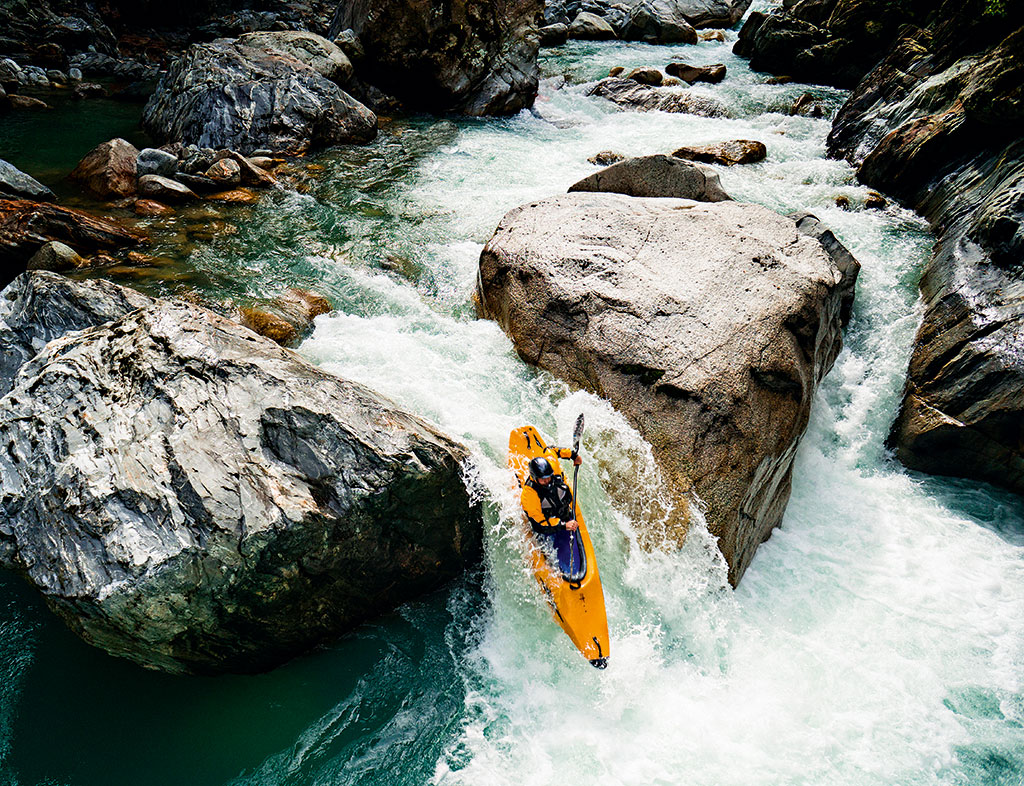
Most people’s image of kayaking is a lone paddler, braving the cold as they crawl down a mid-town river, bordered by murky waters and discarded crisp packets. At first glance the hobby appears to offer little thrill for city types. But this perception is a world away from the reality of kayaking – tearing through whitewater at breakneck speeds or floating along sunlit coastlines a world away from home. The sport is without doubt one of the most versatile on earth.
The spear-like raft of the kayaker is believed to be over 6,000 years old. Originally developed by the Inuit and Aleut tribes of Arctic North America, the first kayaks were constructed from planes of driftwood or seal skin stretched taut over whalebone. Early paddlers would coat the kayak in whale fat to prevent water from streaming in, and attach air-filled seal bladders to keep the vessel afloat.
The sport is without doubt one of the most versatile on earth
Kayaking at first was not a hobby, but a way of life. It allowed locals to reach otherwise inaccessible resources and locations. Indeed, the kayak was such an integral part of everyday life back then that many used it – and still use it – as part of their burial ritual.
Going with the flow Far from the boat’s beginnings spent on still waters, the kayak gradually made its way into stormier territory and came to be seen as a sport with its inclusion in the 1936 Berlin Olympics. From here the vessel of old underwent a series of integral changes to its construction, moving first to fibreglass in the fifties and later to polyethylene plastic in the eighties, as available materials became stronger, lighter and more streamlined. Over the same period kayaking moved away from the fringe and into the mainstream – today it features in 10 Olympic events.
“The best thing about kayaking is the places it takes you. I have travelled to five different continents with my kayak and have accessed places that you’d never be able to see without a boat,” says Sandra Hyslop, former European Champion and Junior Champion in whitewater racing, and nominee for Young Sports Personality of the Year, 2007. “I love the adrenaline rush of tackling hard whitewater and the sense of achievement after perfecting a line on a difficult rapid. I am also very competitive and very much enjoy racing in my kayak, although the vast majority of kayakers pursue this sport for purely recreational purposes.”
Not merely an Olympian’s pursuit, kayaking is practiced by people at all corners of the globe. Whether whitewater, slalom, sprint or polo, kayaking can be enjoyed by all, no matter your expertise or penchant for adventure.
Adrenaline rush Split into eight primary classifications, kayaking can be loosely broken down into high and low intensity types. “Whatever the area you choose, there is always a strong learning curve as you learn to control and manoeuvre your boat and read whitewater,” says Hyslop. “One of the beauties of kayaking is that there is always something you can work on and improve, and even the best paddlers in the world have weaknesses they are constantly working on.”
Perhaps the most popular pursuit is whitewater kayaking, which typically takes place on a fast-moving body of water and asks paddlers to contend with strong currents. Whitewater kayaking is the most extreme version of the sport and takes many forms, among them river running, playboating and slalom, which each require a distinct set of skills and a taste for danger.
Adrenaline junkies will love whitewater – the most extreme incarnation of kayaking
High-intensity kayaking satisfies a spectrum of adventurers; whereas some seek the rush that comes with kayaking off a waterfall, others wish to negotiate the narrow confines of a forest trail at speed. No matter the specifics, kayaking here is all about intensity, quick reflexes, the water in your face, and the kick that comes with making it through unscathed.
Sights and scenery Nonetheless, many paddlers continue to opt for still waters. A world away from the blur that passes by on the whitewater trail, touring and expedition kayaking focuses on the scenery and the sheer enjoyment of absent-mindedly paddling past some quite incredible sights. This low-intensity alternative offers an opportunity to peer out into the wilderness from a unique vantage point.
Kayaking is steadily emerging as a choice corporate event for groups seeking something away from the typical office environment. Specialising in team building or competition exercises, a number of companies offer tailor-made deals for corporate types.
Whether it be the Nordics, South America or even the Arctic, kayaking’s diversity is best seen in the many places it can be practised. From the crystal-clear waters of Alaska’s Glacier Bay to the whitewater haven of Voss and Sjoa in Norway, kayaking is far from destination-specific.
Even the most uncompromising terrain provides opportunities for paddlers to test their skills. “Chile offers beautiful waterfalls and some challenging big-volume rivers down in Patagonia, whereas Ecuador has great river-running in warm water and through epic jungle,” says Hyslop.
Different directions No matter the location, most places have a little bit of something for everyone and rarely cater for only one level of expertise. “The nice thing about kayaking is you can take it in so many different directions and stop whenever you reach your comfort level,” says Hyslop.
“Many kayakers will never paddle beyond flatwater but will take up sprint or marathon racing, fun touring on lakes and flat rivers, or kayak polo – an intense team sport played on lakes, or even in swimming pools. Others will be attracted to the adrenaline rush of whitewater and may take up slalom or downriver racing, freestyle paddling (throwing tricks on river features), ocean surfing or creeking (waterfall and steep river running).”
Whatever way you choose to take on the sport, kayaking can mean many different things to many different people. No matter your proficiency or thirst for adventure, there is something for everyone in this most diverse of sports. And Hyslop’s top tip? “Be prepared to get very wet, very frustrated, and ultimately exhilarated.”
From a converted textile mill in Łódz to the iconic sky.bar overlooking Berlin’s famed cityscape, Vienna International Hotels & Resorts has spent the past 25 years developing a reputation for creating innovative and exciting business spaces in some of Europe’s busiest professional cities.
VI means business, and it means that literally. The word andel originates from Prague’s bustling business district, which is why the hotel company have taken it and used it to develop a brand that has now spread into some of Europe’s busiest business districts in Berlin, Kraków, Łódz and Prague (located, of course, in the Andel district).
Combined with the stylish angelo hotels in Bucharest, Munich, Prague, Katowice and Pilsen, VI Hotels & Resorts has become known throughout Europe as a brand that combines unique design, functionality and excellent quality of service for business travellers. This goes a long way to explaining their continued relationship with partners such as Poland Fashion Week and ITB Berlin.
Whether you’re visiting on business or pleasure, in the beating heart of Berlin or along the balmy Croatian coast, VI Hotels & Resorts pride themselves on offering a professional and personable concierge service, carefully thought out by the management team. Business guests can expect airport transfers in Audi limousines, executive floors and suites, state-of-the-art conference technology and unique meeting spaces that breed creativity – just about everything you could need to help your conference or event run smoothly. Friendly and professional staff are on hand at all times to help, whether that’s to book a local restaurant reservation or assist in setting up an event.
Conferences to catwalks
If you’re planning an intimate boardroom meeting for a handful of executives, or a conference fit for Łódz’s biggest ballroom, professional facilities are vital. In the heart of Smichov, Prague’s new cultural and business district, the andel Hotel Prague offers the country’s largest contemporary conferencing facility – 15 conference-ready rooms over 650sq m, plus the exclusive Crystal Room meeting space, accessed via a glass bridge. In Łódz, the andel hotel boasts the city’s largest ballroom (hosting up to 800) and has been partnered with Poland Fashion Week since it opened, hosting everything from the opening catwalk to showrooms for the most popular designers.
The conference rooms can be divided using moveable walls, allowing businesses to customise the space based on their specific needs, with the conference team on hand to help at every stage of planning and organisation. All conference spaces are kitted out with state-of-the-art multimedia conferencing technology, presentation screens and flip charts, as well as fast broadband and wireless internet. For any technical assistance, the sound, light and multimedia company AMBION always have in-house staff at hand.
Style to shape your mind
VI Hotels & Resorts conform to the belief that “we shape our buildings, thereafter they shape us”, and perhaps this is why their hotels do so much to inspire creativity and aid professional decision-making. From a converted weaving mill in Łódz to the upcoming skyscraper on the outskirts of Moscow, VI Hotels and Resorts have spent the past 25 years developing unique spaces.
VI Hotels & Resorts conform to the belief that “we shape our buildings, thereafter they shape us”
Each andels hotel has a distinct character, complete with interiors designed by famous British architect duo Jestico + Whiles. Visit any hotel within the angelo brand and you’ll find a single design concept – a combination of intense black, coral red, yellow and white tones, combined with furnishings and accessories from the Far East.
This combination of post-modern architecture and innovative interior design has led VI Hotels & Resorts to win countless design and architectural awards, as well as being used as a location for numerous films and television shows. It is also the reason why they make such motivating meeting spaces – take time out from your meeting to seek inspiration on a garden terrace, by admiring the works of local artists in a quiet exhibition space, or by wandering the interior of a building created during the height of the industrial revolution.
A sound sleep
The key to good decision-making in business is a well-rested mind, and the innovative design of each hotel takes nothing away from the luxury and comfort of the well-appointed rooms – be it a standard double or an executive suite. Each andel’s design hotel is uniquely designed, from the distressed aesthetic of andel’s Hotel, Łódz to the modern retro interiors of andel’s Hotel, Berlin.
Executive floors offer first-class service dedicated to business travellers, with spacious and well-appointed executive rooms and suites offering the best in luxury business travel. All rooms are equipped with high-speed internet access, a work station, laptop safe with integrated charging capabilities, underfloor heating and kingsize or two separate beds.
For a truly VIP experience, andel’s Suites, Prague offers the chance to stay in a royal rooftop apartment complete with its own terrace offering stunning views of the city. The terrace is accessible from all of the rooms in the apartment, while the clean colours and local materials utilised throughout the hotel convey a sense of comfort and wellbeing. The hotels have been used as accommodation during shooting of films such as the James Bond series and The Chronicles of Narnia.
Healthy bodies and minds
A healthy body is just as important to success as a good night’s sleep. Find yourself with a rare moment in which to relax and reflect? Depending on your destination, you could unwind with a Finnish sauna or a Turkish steam bath, indulge in a full-body massage courtesy of a professional therapist, relax on a quiet terrace, enjoy a few lengths in a pool, or take part in cardio training in a state-of-the-art gym. For example, the Hotel Loipersdorf Spa & Conference boasts a mighty 3,000sq m spa area, combining treatment rooms with a modern activity space.
In Berlin, high up on the 14th floor, the iconic sky.bar offers the perfect surroundings in which to relax with a cocktail and gaze out over two thirds of the city through west-facing windows. Eight floors below, the exclusive Habanos Smokers Lounge caters to connoisseurs with a variety of quality cigars from a fully air-conditioned humidor. On the floor below, the a.lounge is an executive dining area perfect for coffee meetings and business lunches.
A growing brand
The VI Hotels & Resorts story continues with the unveiling of a luxury five-star Astrum hotel in Shelkovo, just 20km from the Russian capital, later this year. Despite having not yet opened, the property is already nominated for membership in the hotel alliance of The Leading Hotels of the World.
As well as a 3,400sq m spa, the hotel will be home to a 1,900sq m conference area, comprised of seven separate event rooms over three floors, including a conference hall with amphitheatre seating and a large main events space. This will make it possible to hold huge events for up to 1,000 attendees. As part of the VI Hotels & Resorts brand, the hotel will exhibit a typically unique design, with the modern skyscraper exterior hiding Venetian palazzo interiors designed by renowned Italian craftsman Francesco Molon.
VI Hotels & Resorts also continue to develop its presence in Germany, with new Arcadia hotels opening in Coburg, Wuppertal, Amberg, Limberg, Günzburg, Neckarsulm, Bad Oeynhausen, Landsberg am Lech and Castrop-Rauxel. It now offers conference hotels in five German states, in Berlin and Munich, as well as near important business centres such as Düsseldorf, Heilbronn, Mannheim and Nuremberg. If the existing hotels are anything to go by, business travellers can expect only the highest standards.


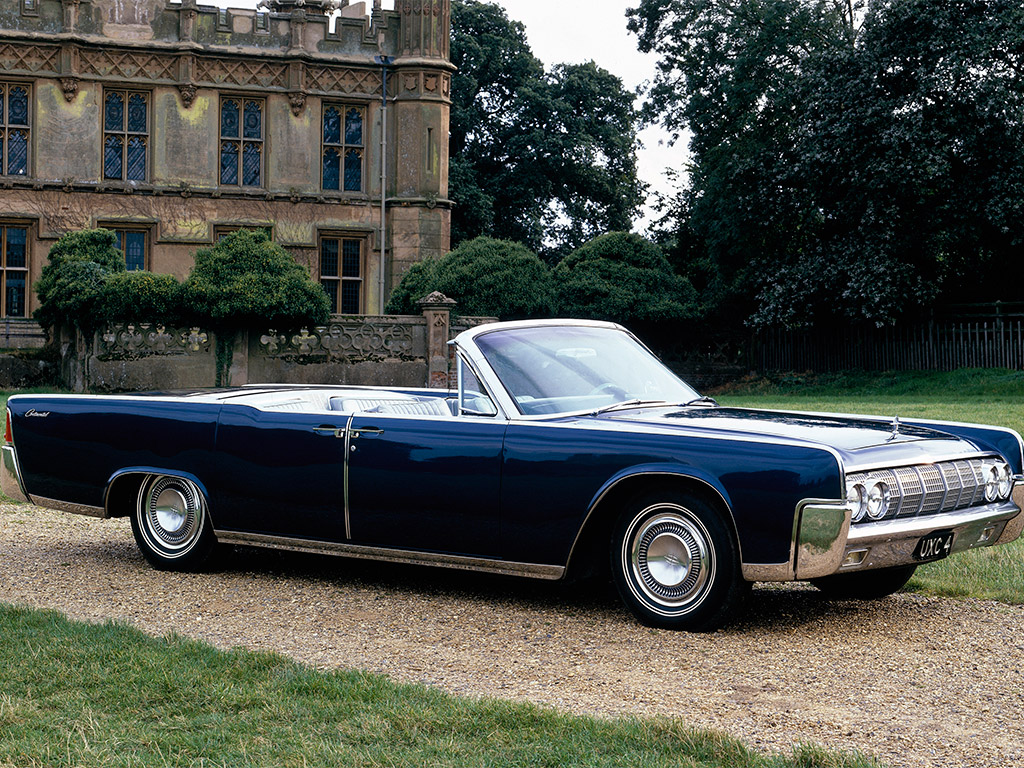 A far cry from Ford’s affordable, no-frills vehicles, the all-American automaker’s Lincoln division sought instead to create a luxury car with an emphasis on design and style. The first generation of the Lincoln Continental was released in 1939, although it wasn’t until the 1960s and the car’s fourth generation redesign that it became synonymous with the road trip.
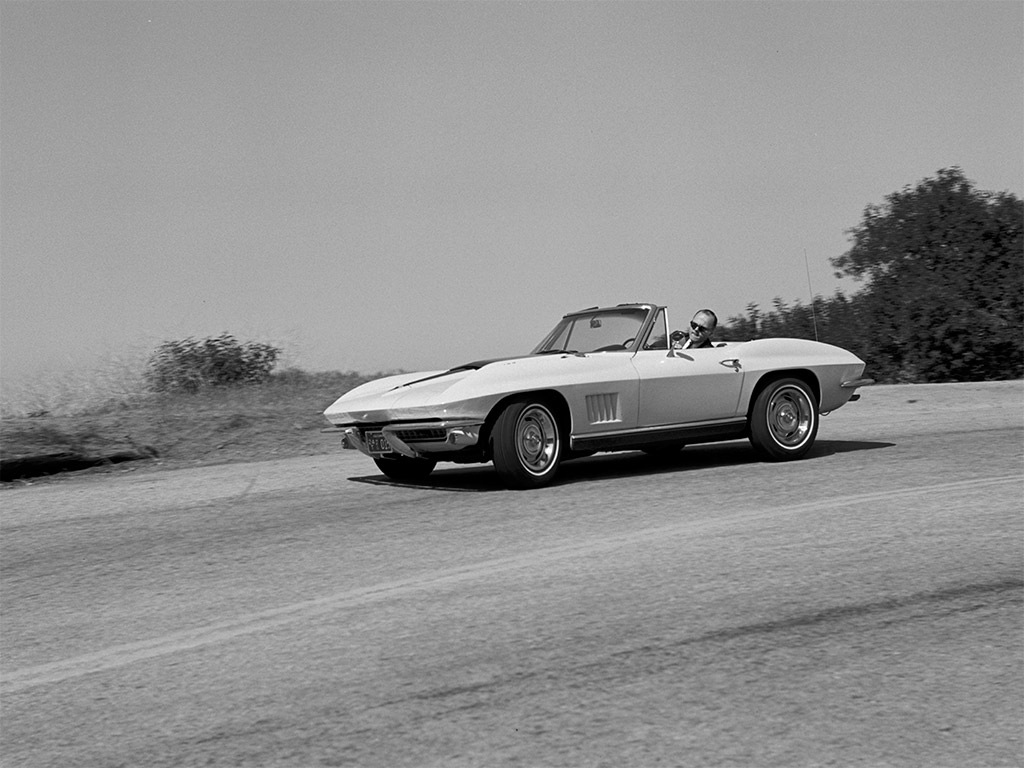 The second generation of the Chevrolet Corvette entered the market in 1963 and sparked delirium among motorheads far and wide. The car’s design was a futuristic surprise and featured unparalleled attention to detail inside and out.
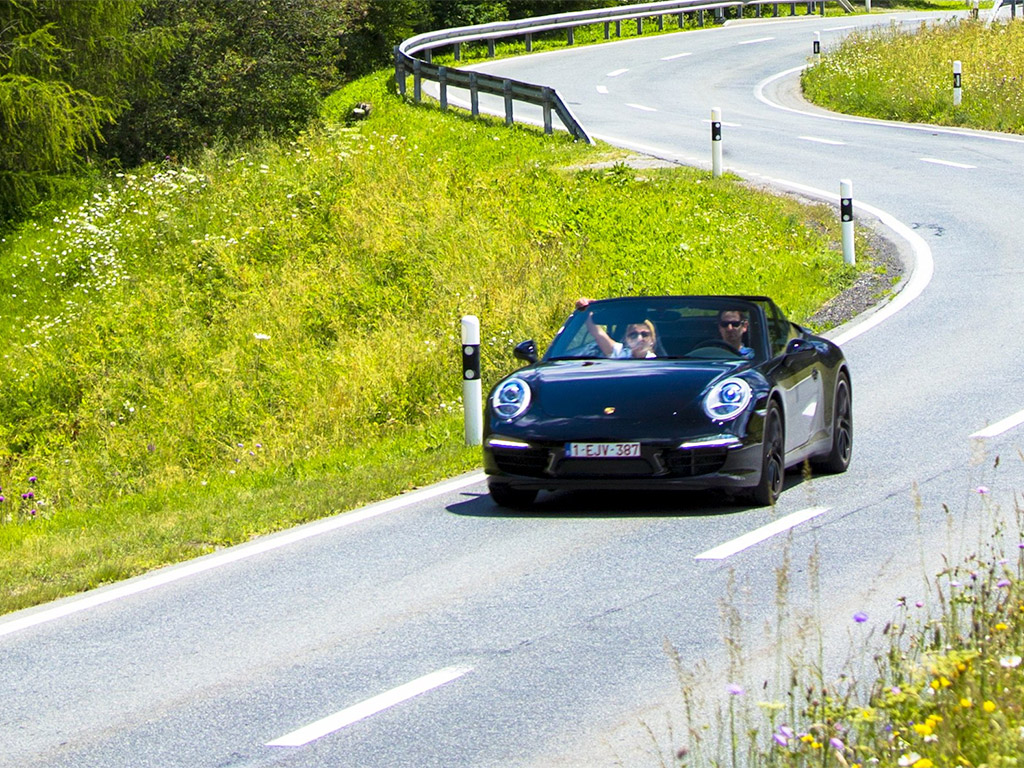 The Boxster is one of the most distinctive automobiles of the 1990s, and, on its release in 1996, became the first Porsche roadster since the Spyder 40 years previous.
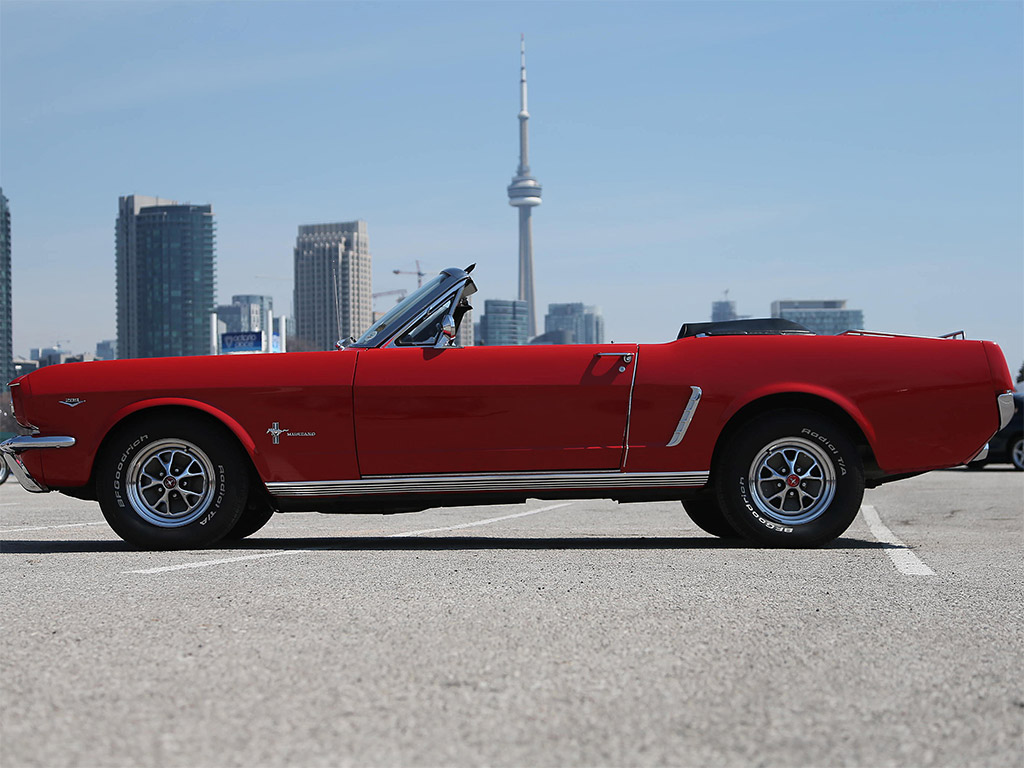 The first generation of the infamous Ford Mustang is America’s most-restored vehicle, and for good reason. Since its introduction in 1964, the machine’s long hood and short deck have inspired many copycats, though none have quite managed to rival its style.