Visitors may be interested to learn that Punta Cana started out as a company name, a brand created in the early 1970s by Frank Rainieri, for a piece of land originally called Punta Borrachón (Drunkard’s Point). Today, Punta Cana has become a country brand – the most recognised Dominican brand in the world – and its official name is now Puntacana.
The story begins in 1969 when a group of American investors, headed by Ted Kheel, bought 30 square miles of undeveloped land stretching along five miles of the Dominican Republic’s east coast, in the province of La Altagracia. The land was mostly impenetrable jungle and bush with no access roads and only a handful of small fishing villages dotted along the coast. The land stunned all who saw it, with white sand, coconut palms, crystal-clear waters and protective coral reefs.
Big ambitions
A few years later, Dominican entrepreneur Frank R Rainieri joined them with his vision to create a resort community that respects the natural habitat while providing visitors with a world-class vacation experience. At the time the area was still known as Punta Borrachón. Rainieri decided to rename it Punta Cana, after the fan-shaped cana palm leaf, Sabal causiarum, commonly known as the Puerto Rico hat palm, that flourishes in the area.
Rainieri, along with Kheel, founded and managed The Company of Residential and Touristic Development, known today as Grupo PUNTACANA, and began steady expansion, with the opening of a small hotel known as the Punta Cana Club. It had 10 two-room villas, a clubhouse, a small town for employees, a power plant and a basic aircraft runway. At full capacity this hotel could accommodate 40 guests.
The land stunned all who saw it
After an eight-year battle with three different governments, authorisation was obtained for the construction of the first private international airport in the country, allowing the resort’s primitive airstrip to be developed to accommodate full-sized commercial aircrafts. In a joint venture with Club Med, construction began and in 1984 Punta Cana International Airport (PUJ) was inaugurated with the first international flight when a twin-turbo propeller aircraft arrived from San Juan, Puerto Rico. It was, and remains, the world’s first and most successful privately built, owned and managed international airport.
PUJ sent Punta Cana soaring – in its inaugural year the airport received 2,976 passengers, and last year saw an incredible 2,589,980. It services over 60 resorts in the Punta Cana-Bávaro area and beyond. Punta Cana International Airport services 76 airlines with destinations to 96 cities in 28 different countries.
Hidden paradise
Due to Punta Cana’s isolated location, Grupo PUNTACANA decided to take on the responsibility of installing and maintaining all infrastructure projects. Access roads, security, waterworks, electricity, garbage disposal, waste disposal and schools are all operable thanks to the company and its subsidiary corporations. Since 1997 the owners of the group have been Kheel (since his passing he is represented by his son Robert Kheel and son-in-law Arnold Jacobs), Frank Rainieri, Julio Iglesias and Oscar de la Renta.
The hard work of Grupo PUNTACANA has transformed this once inhospitable jungle coastline into a booming industry, responsible for a quarter of the country’s gross domestic product. Corporate social responsibility plays an important role in the owners’ vision – a percentage of all profits from the airport are invested in community projects. The company’s mission to promote sustainable development ranges from medical facilities and interest-free educational loans, to revolving loan funding for their workers’ housing and an ecological foundation to protect and preserve the land and marine life.
Punta Cana Airport’s slick, modern interior
Puntacana Resort & Club is the commercial name used for most of Grupo PUNTACANA’s touristic activities within that original piece of land. However, there are other companies including Punta Cana International Airport, Puntacana Village and Punta Cana Laundry Services, which do not come under the Puntacana Resort & Club umbrella. With over 45 years of experience, this company is rock-solid and has been able to grow even through the recent international financial crisis, while winning various prestigious international awards. The companies found within Grupo PUNTACANA currently employ 2,000 direct employees and 2,000 indirect employees and show no signs of slowing down.
As of today Puntacana Resort & Club contains: three hotels, one designed by Oscar de la Renta; two of the most recognised golf courses in the Caribbean, including Tom Fazio’s Corales with its stunning Devil’s Elbow, and the PB Dye-designed La Cana golf course. The resort has its own Village with various restaurants, an internationally accredited primary and secondary school, real estate, shops, medical services and many other amenities.
Green growth
Most of the services within the 15,000-acre resort are eco-friendly. Everything from the grass on the golf courses to the manure is sourced on property. The company has also invested in a biomass plant that recycles and reuses waste, creating vapour to launder clothes. All new golf carts on site are electric, and there is a coral restoration programme and a research centre dedicated to ecological preservation and development. Puntacana Resort & Club is one of the leading locations in the Caribbean for sustainable development.
The Punta Cana region continues to grow. The newly completed coral highway links Punta Cana to La Romana in just 35 minutes, and Santo Domingo can now be reached in less than two hours. The group is proud to have founded one of the top vacation destinations in the Caribbean. Puntacana Resort & Club’s future looks as if it will continue to brighten.
Norway – richly endowed with scenic wonders, world-class cultural, scientific, and business resources, and superb MICE venues – awaits your arrival. Achieving successful, memorable events is assured when meeting, incentive, conference and event (MICE) decision-makers rely on Congress-Conference, Norway’s foremost professional conference organiser.
Where travellers seek out deep fjords, the midnight sun, fantastic Scandinavian cuisine, as well as historic towns and world-class sports, event planners book ideal meeting facilities that are ultra-modern, efficient, and cost-effective.
Imagine holding a congress session at the magnificent fjord-side Oslo Opera House or staging a networking event high above the city in a rustic log-built hotel, just steps from the city’s famous ski jump. Variety, innovation, and flawless execution are hallmarks of events crafted by Congress-Conference.
Ideal locations
Events organised by Congress-Conference take place in attractive meeting venues in Oslo, the country’s vibrant capital and business centre; in Stavanger, the oil capital of the region’s booming offshore industry; in Bergen, Norway’s second-largest city and fjord gateway; and in Trondheim, once a Medieval pilgrimage site and now a technology hub.
Going green and eco-sustainability are in-house strengths at Congress-Conference
“Meetings small and large become great successes when they are inspiring,” says Mimi Lie, CEO and co-founder of Congress-Conference AS. “We meticulously execute events and boost enthusiasm through first-rate entertainment, ample networking space, and enjoyable tours, dining and shopping for participants and accompanying persons.”
Historic fortresses, hi-tech centres, art galleries, panoramic aeries and sailing ships (including Viking longboat replicas and the tall ship made famous in the 1958 movie, Windjammer) are typical outing locales booked for Congress-Conference clients. Entertainment can include performances from acclaimed musicians, dance ensembles, and dramatised saga legends in a cabaret ambience, and as gala celebration gems.
Going green and eco-sustainability – key commitments of leading international companies and professional organisations – are in-house strengths at Congress-Conference.
“We became the first professional conference organiser in Norway to earn Eco-Lighthouse certification following rigorous training for this public-private initiative,” says Øivind R Lie, Project Director and co-founder of Congress-Conference AS. Øivind has proved that sustainability is a competitive advantage that can also be profitable. His team trims costs through lessened energy consumption and transportation, and via digital document publication and waste reduction at event sites.
A step ahead
A guiding principle for Congress-Conference is enabling every MICE client to devote their fullest attention to their guests, conference delegates and each event activity. This goal is achieved by Congress-Conference executing overall project management and day-to-day handling of event resources: staffing, meeting rooms, technical equipment, registration, reservations, bookkeeping, transportation, and dining, beverage and snack facilities.
Congress-Conference excels at meeting management. Founded in 1987, the PCO was also the first Norwegian member of IAPCO, the leading international organisation for professional congress organisers. IAPCO membership provides ongoing access to industry best practices, refined by more than 50 top performers worldwide. By participating in event planning at an early stage, Congress-Conference draws upon the best suppliers, and exercises considerable purchasing power to secure favourable pricing.
The IT system deployed by Congress-Conference for event management, reservations, and bookkeeping delivered error-free handling of the largest scientific meeting held to date in Norway: 6,000 delegates, eight parallel sessions, plenary assemblies, a major technical exhibition, professional tours and diverse activities for participants. The project was completed as budgeted, and the client reported that the complex event “was handled perfectly by Congress-Conference”.
For memorable business gatherings, unique incentive awards, or major conferences, Norway offers outstanding venues. Let the professionals at Congress-Conference advise, guide, and deliver your ideal MICE experience.
What makes Porto’s Alfândega Congress Centre so different from any other congress centre is its identity and authenticity – its balance of tradition and modernity. It is the most versatile congress centre in Portugal and has been known as such for many years.
The Alfândega Porto Congress Centre was built over 150 years ago as a customs house. Recently renovated by Portuguese architect and Pritzker laureate Eduardo Souto de Moura, the building maintains its original architecture, with shapes and spaces that pleasantly surprise visitors.
Alfândega Porto Congress Centre has been considered the Best Congress Centre in Portugal for the past
four years
Outside, the centenary building is distinct from the rest of Porto’s landscape, but still harmonious with the city’s streets and river line, and faithful to the unique urban and natural landscape. Inside, amid the mix of stone, iron, brick and wood characteristic of this astonishing construction, there is a fully equipped modern congress centre with everything required to host any type of event – from international congresses to huge fashion shows, gala dinners, sport events or car exhibitions.
The perfect destination
The building is located in the heart of Porto’s historic city centre, designated a World Heritage Site by UNESCO and recently recognised for the second time as Best European Destination (2012 and 2014) by European Consumers Choice. The city of Porto is gaining territory on every tourist’s map thanks to its numerous award wins, and its diversity, culture, architecture, history, and unique wine and gastronomy.
Hotels of every type – international chains, boutique, modern and trendy, or classical and traditional – surround the Congress Centre. There are restaurants where the famous gastronomy of Northern Portugal can be tasted, and tourist attractions such as Dom Luís Bridge, designed by a pupil of Gustave Eiffel; Clérigos Tower, which gives one of the best views of Porto; and the Livraria Lello & Irmão, considered the third most beautiful bookstore in the world and purportedly the inspiration behind the Harry Potter series.
A historic exterior hides ultra-modern meeting and conference facilities
The city is not only growing for city breaks and family tourists. As a destination with so much diversity, Porto’s meetings industry is also constantly expanding. The city has achieved a higher ICCA ranking every year for the past three.
The Congress Centre is accessible for participants from every corner of the world. It is just 15 minutes from Porto International Airport, which has over 60 direct flights worldwide and was considered the third best European Airport by ACI (Airports Council International), its eighth international award in the past eight years. The congress centre is also easily reached by train and car and, once you’re inside the city, the modern bus and metro lines can get you where you need to be.
Porto’s charms
Other than the 22 multifunctional rooms, which are part of its flexible area of 50,000sq m, the congress centre has built-in translation booths, a private 400-car parking area, and free access for all delegates to four permanent cultural and museological spaces. All of this complements the events hosted at the venue, enhancing everyone’s experience.
Right on the riverbank, the congress centre has its own shipping dock. Guests of an event can arrive by boat after a cruise, or depart after meetings to the world-famous port wine cellars on the other side of the river. At a short distance from the Douro Valley, congresses can end with a cruise to the beautiful, historic region where port is produced and can be tasted at one of the many typical quintas in the vineyards.
An entirely modern and fully equipped congress centre lies between the building’s historic walls. The Alfândega Porto Congress Centre has everything necessary to host any type of event, and boasts business partnerships with the best companies in Portugal, providing all the required services to make your event a success. Expect a wide range of services, responding to the highest standards, ensuring effective and competitive solutions. You can rely on the experience and professionalism of the team when organising your event, making it flawless and unforgettable.
International recognition
The Alfândega Porto Congress Centre has been considered the Best Congress Centre in Portugal for the past four years and is proud to be a partner of some of the most important and influential national and international institutions and companies.
The congress centre has its own dock where guests can arrive or depart by boat
This year, the Congress Centre has been awarded Best Meetings and Conference Centre, Europe in the Business Destinations Travel Awards 2014. Criteria such as quality and range of services, value for money, online presence, sustainability practices, environmental awareness, customer service and business acumen were considered.
In 2013, the Congress Centre significantly increased the number of events held and welcomed over 300,000 participants as part of the many corporate, scientific, cultural and commercial events hosted by the venue. Officially certified for its quality, Alfândega proved its excellence by achieving client satisfaction levels over 91 percent in 2013.
The evolution of services has been continuous and the Alfândega Porto Congress Centre foresees an even more progressive future for itself and its city. With constant investment making the venue even more suited to events of all types and sizes, in a few years the centre will be able to host events of greater dimension, responding to the growing demand for events in Porto.
For all of these reasons and more, the Alfândega Porto Congress Centre is far from the usual congress centre, it has a surprise effect on its visitors and meets all of their expectations and needs. The venue is unique; come and visit and see for yourself.
Her Britannic Majesty’s Secretary of State can Request and Require in Her Name all those Whom it may Concern to allow the Bearer of the Passport to pass freely without Let or Hindrance, until he’s as blue in the face as the old stiff-backed cover.
I wish more attention were paid to the practical business of getting a passport, using it, and precisely how long it’s valid in various countries. And then get those countries to agree.
I’ve just had an infuriating hassle after deciding – to misquote a line from a song in a Bob Hope/Bing Crosby movie – that “Just like Webster’s dictionary I’m Morocco-bound”. Marrakech to be precise.
Now I’ve been going through border controls from Tokyo to Tangier, and Capetown to Caracas for almost five decades, so you’re not catching this boy out on that dodgy scam requiring the extra six-month validity on your passport before some tinpot kingdom will allow you over its threshold. I’ve seen hard currency frequently pushed under counters at various Third-World airports to get round that infuriating con-trick, and always presumed that’s why governments came up with it.
But as I knew my 10-year passport had fewer than six months to go, I checked with the passport office’s own website to make sure I didn’t need that validity for this trip. It assured me my passport was fine as long as it was current until I came back. But a week before travel I came out in my usual suspicious-of-officialdom cold sweat. Surely HMG wouldn’t get this wrong?
Blurred lines
I checked with the Moroccan Embassy’s own website. Damn it, turns out I did need at least six months validity on the passport to get in. I called the passport office to get clarification. No, they said strongly, you don’t need it. But the Moroccans say I do. Maybe they’d know better than you what their requirements are?
I know from bitter experience that upsetting a petit fonctionnaire who has the power of veto can be akin to riling The Soup Nazi in Seinfeld
“Our information as of this morning is that no extra validity is required.” So I asked if HMG could assure me the airline would not deny me boarding on the grounds I might be denied entry at destination. The official paused for rather too long. “Ah…well, I mean, the airlines – they’re a law unto themselves aren’t they?” Whaaat? So the British government can say it’s OK to travel but an airline can say no?
To be on the safe side I booked an express appointment for next day at the London passport office to get a brand-new document. Cost, £137 – hardly a bargain when I’d got the whole trip to Marrakech for £450.
The passport office’s address is 89 Eccleston Square, SW1. But Eccleston Square stops at 79 and there was no passport office. I asked a passerby. “Oh it’s not actually in Eccleston Square, it’s just off the square up that road.” So the address is 89, Eccleston Square but not actually Eccleston Square at all?
I had a 2:15pm appointment and had been brusquely told to be there at 2pm. I walked in at 1:55pm to be greeted by a security man with thick Slav accent. “What time appointment?” I told him. “Come back two clock.”
Up against the grain
As I queued to go through a security scanner a wall clock said it was 2:09pm – damn! Late! My watch must be slow. Remove belt. Grab bag. Approach reception. Struggle to put belt back on. Then race up two flights of stairs. A host of other panting customers followed but once in the seating area we realised the clock downstairs was eight minutes fast.
At 2:18pm I was called to the booth, said good afternoon and handed over my form. Silence. And the passport officer wouldn’t even look at me as she asked me questions, including me confirming my telephone number. My telephone number? I’m getting a passport.
I’d just moved house and hadn’t memorised the new number yet. That brought out the full sneering contempt of the apparatchik. “You can’t remember your own phone number?” I know from bitter experience that upsetting a petit fonctionnaire who has the power of veto can be akin to riling The Soup Nazi in Seinfeld: “No-passport-for-you!” I grovelled instead, and four hours later was clutching my lion and unicorn-embossed document.
At Marrakech Menara airport I enquired if I actually needed the extra six months’ validity. The blue uniform behind the glass shrugged: “No – just valid passport.” I sincerely hope for their sakes I don’t meet the Moroccan Ambassador or Her Britannic Majesty’s Secretary of State on a dark night any time soon.
Before the squads have even landed on South American shores, many are declaring the FIFA 2014 World Cup a disaster. Infrastructure projects are being abandoned in droves and every day a new torrent of problematic revelations are published in the international media, accusing authorities of everything from skimming money off the budget, to doing away with ‘unsightly street children’. Although some of the accounts are false, others are frighteningly real.
Stadiums are not complete, and a number of construction workers have died at two of the sites. By mid-April it seemed a key transport hub – the new Confins airport in Belo Horizonte – would not be ready in time for kick-off, despite 800 workers and millions of dollars being poured into it. The airport in Manaus, which will receive thousands of England and Italy supporters in the first round of games, might not be finished either.
Today, Brazil is a rich country, with a poor population
Even if facilities are completed in time, many Brazilians remain convinced that utter chaos will reign for the duration of the event, as already strained and inefficient resources are stretched to breaking point.
The hashtag #ImaginaNaCopa – which loosely translates as #ImagineItDuringTheCup – has been trending in the country for several months, and was deployed by frustrated Brazilians while stuck in Homeric traffic jams, or after being mugged at the beach, as a sort of silver-lining reminder that everything will be much worse during the World Cup.
However, when Brazil’s bid was accepted seven years ago, there was little doubt that they could do it. The country had been growing solidly, reaping the benefits of a decade of smart economic policies and a favourable commodities market. Luiz Inácio Lula da Silva’s last term in office was just beginning and the president was well-loved by the people – thanks in part to the booming economy, and in part to a slew of populist welfare programmes he had introduced.
Of course, that was before the financial crisis started toppling economies like dominoes, before oil prices – a vital source of revenue for commodities-rich Brazil – took a battering. But not even these two can explain how Brazil’s economy took such a steep nosedive; after all, in 2009 GDP was up 7.2 percent, while many countries were already in the red.
One step forward
Many Brazilians are less than surprised to see headlines about unfinished stadiums and abandoned airports and tramline projects – they see it as a return to the bad old days. Since the country emerged from four decades of military dictatorship in 1985, it has only had five presidents – one of whom was impeached for corruption. It is easy to forget that the country is still trying to establish a strong, democratic tradition, and establish a coherent economic policy.
In the early to mid 2000s things appeared to be progressing, finally. The economy experienced an upswing thanks to intelligent economic and fiscal policies implemented by Fernando Henrique Cardoso before he left office in 2002. The country was getting some of the infrastructure investment it had so long needed. Lula largely carried on promoting investment and presided over an oil boom that helped raise Brazil’s profile internationally.
The successful World Cup bid kick-started a host of infrastructure projects, including many new stadiums – but not everything is running to schedule
Brazilians have long declared theirs the ‘country of the future’ – never the country of ‘now’ – and since 2009 modernisation has largely stopped, with most infrastructure projects connected to the World Cup or the subsequent Olympic Games. To say that the country has simply decelerated in line with the rest of the world is not optimistic – it is dangerous.
A number of ideologically driven policies in recent years stifled growth, and the vital government reforms the country so desperately needed failed to materialise. Taxation has skyrocketed to fund a gargantuan and inefficient government machine. Resources have been diverted into enormous projects like the World Cup infrastructure and ultra-deep-sea oil exploration projects, and basic needs like education and health have been allowed to slip to unprecedentedly low standards. Today, Brazil is a rich country, with a poor population.
Hosting international mega-events like the World Cup and the Olympic Games was meant to show the rest of the world that the country was ready for the big leagues, but the widespread and violent protests that erupted in 2013 show the population feels left behind. Living costs in big cities have skyrocketed, as has violence and crime.
“It’s really tense, and really negative. For the really wealthy the feeling is it’s going to be fine, because everything is always fine. But the middle classes, and even the upper-middle classes, are saying this place isn’t working right now. Everything is stressed out. All of the urban systems are constantly stretched to the limit. That is why people say ‘imagine in the World Cup’, because if [they] can’t even live day to day, how are we going to cope with even more people?” said Dr Christopher Gaffney, a visiting geography professor at the Fluminense Federal University in Rio de Janeiro.
With just under two months until kick-off, the World Cup Portal, the government’s World Cup site, published a list of figures detailing the economic benefits the competition has already brought to Brazil. It suggests investments have been made in culture, health and education, and the World Cup will lead to an increase of $13bn in GDP.
“Those sort of claims are made by everyone that hosts a mega-event so that the people feel like their money is being put to good use,” suggests Gaffney.
“What those evaluations don’t highlight is what could have been done with the same money, directly applied into industries. If we are investing $14bn in the World Cup, and talking about $100m in social and economic returns, that is pretty pathetic. What they have also done is attribute all growth to the World Cup. How much would Brazil have grown without all of this investment and production? If people have been busy building stadiums, they might have been busy building schools, which then would have turned into more productivity. The analysis always comes from an ideological perspective.”
But not everyone perceives it that way. For many, the World Cup has been the push the country needed to commit funds to long-awaited infrastructure projects. Fortaleza, one of the host cities, had been in the process of opening a tube line for a decade and a half, and with the World Cup looming, efforts were doubled and the line finally opened last year.
Increasing taxes while the mood in the country is so fragile would be political suicide. But 2014 will be an expensive year
“If people don’t have a more generous outlook [towards developing countries] then these events will become like rich men’s parties,” Sports Minister Luis Fernandes told The Independent. “We have to put the [World Cup organisation] problems in context. It is a work in progress rather than things getting worse. It is precisely because of the fact that its infrastructure needs upgrading that the nation wanted to stage this summer’s tournament. The World Cup and 2016 Olympics gave us an opportunity to set up investments but that would [otherwise] take us a long time to put into practice.”
Of course, the infrastructure shortfall at the root of so many of Brazil’s current woes goes back generations. Businesses have long called for an increase in investment in vital transport links, and cities lack the basic services many European capitals have boasted for centuries, like underground railways and public sanitation. But the current government spends only 1.5 percent of GDP on infrastructure – less than half the global average of 3.8 percent.
“We pay for one of the most expensive governments in the world and receive one of the most inefficient,” writes Ricardo Amorim, a Brazilian economist and commentator, in his blog. “We rank 124th globally [out of 153, according to the WEF] in terms of violence and crime, 126th in import duties, 132nd in wasting public resources, 133rd in misuse of public funds, 138th in taxes on labour, 139th in customs processes, 144th in how long it takes to open a company, and 147th in the cost of governmental regulation.”
Government debt is on the rise, and as well the World Cup Brazil will have to face elections this year. Guido Mantega, the Finance Minister, has vowed not to increase taxes, but unbridled spending poses a problem. Taxes already make up more than 36 percent of GDP, the third-largest tax burden in the world, after China and Argentina. Increasing taxes while the mood in the country is so fragile would be political suicide. But 2014 will be an expensive year.
At what cost?
There is little doubt that stadiums will be finished – but at what cost to the government. Official figures say the government has spent 31bn reais in projects associated with the event, to modernise the country’s image. Bills will mount as building work goes over deadline, and there is the familiar stink of corruption in the air. Local authorities in host cities have admitted they will face a challenge maintaining venues after the games, especially those in remote location like Manaus, which lies in the heart of the Amazon.
But Brazil has a lot going for it, and if it can get a handle on its problems the 2014 World Cup could indeed be memorable. It is a vast and diverse country that will offer visitors exciting experiences beyond attending matches. Rio and São Paulo are vibrant cities with rich cultural heritages and amazing scenery. And though prices for hotels and restaurants will go up during the games, this has become the norm when the World Cup circus rolls into any town.
The fact of the matter is, if games get called off, or flights delayed, or even if fans get stuck in traffic, there is plenty to do and see in Brazil that is amazingly worthwhile and hassle-free.
Lesser-known destinations like Fortaleza and Manaus will likely be the big winners, and visitors that choose to travel to these locations are in for a pleasant surprise. Manaus is a bustling island-city where well-preserved colonial buildings, including a century-old opera house, coexist with stilt houses built over the Amazon River. Fortaleza has miles of white sandy beaches and is more laid-back than Rio or São Paulo. In Salvador visitors will be treated to a mix of opulent colonial churches – 365 of them – and candomblé centres, where a variation of ancient African religions brought to Brazil by the slaves, is still widely practiced.
What Brazil needs now is to regroup, and push for the games to go through without issue. Brazilians must allow themselves to be empowered by the success of the World Cup, but not forget to air their grievances at the polls this October. While things might have taken a turn for the worse over the past year, this is a golden opportunity for Brazil to finally move forward and right so many of the wrongs that have been allowed to fester unchecked. And winning the thing would also be quite nice.
WHERE TO STAY
Casa Mosquito
Rua Saint Roman, Rio de Janeiro
+55 (21) 3586 5042 casamosquito.com
This guesthouse, located on the hills above the famous Ipanema beach in Rio, has been wonderfully restored to the highest standards. It is immaculately decorated, and boasts a lush garden and breathtaking views of the city. Located on the edges of a favela, it is safe, yet offers guests a more authentic Rio experience. It was built and is run by two Frenchmen, Benjamin Cano and Louis Planés, who fell in love with Rio many years ago, and invested everything in this vintage-chic boutique hotel. Unwind from terrible football losses or exhilarating wins at the spa, or just drink caipirinhas in the garden. A stone’s throw from the most famous beach in the world, Casa Mosquito is a unique find.
Salvador is the capital of Bahia, a state known for its seafood-based cuisine rich in dendê – a local berry that produces a pungent red oil, used to flavour a lot of dishes. The Restaurante SENAC is where local chefs learn the secrets of traditional Bahia cuisine. The buffet offers around 60 of the regions most popular traditional foods, from vatapá (a shrimp, coconut and bread cream) to acarajé (a black eyed-pea cake filled with vatapá) or caruru (a spicy salad). Fish stews, simple salads and even beef dishes are also available, and dessert should definitely not be skipped. Manjar branco, a coconut pudding, is worth every sugary calorie, as are the varied exotic fruit compotes and cakes. It is certainly not for the faint-hearted as dendê oil is extremely rich, but it’s such a diverse and unique experience that it should not be missed.
Bira is something of a local institution. Located in the outskirts of Rio de Janeiro, up a mountain overlooking a deserted beach and tropical lagoons, it is the type of restaurant in which to spend an entire afternoon. The view is unique, but the food and the generously alcoholic cocktails are the real stars. Bira, the head chef, grows all of the vegetables in the restaurant’s gardens and sources his fish and other seafood locally, making his food deliciously fresh. Shrimp stews, steamed fish, octopus, and pasteis – fried crab-filled pastries – are all available, and should be enjoyed with many caipirinhas – passionfruit and kiwi-flavoured are the most popular. Bira himself, his wife and his daughter run the restaurant together, and are always at hand for a friendly chat. It is not cheap, but there is nowhere else like it in the world.
Though São Paulo has become the epicentre of luxury and wealth in Brazil, one of the best places to eat in the city will always be the Mercado Municipal – a huge market built in 1933, where hundreds of vendors congregate to flog their fresh fruits, vegetables and meats. Not only is it a great place to try exotic fruits from the far-flung corners of the country, but a number of restaurants and snack bars are also available. The mercadão, as the locals call it, is the place to sample some of Brazil’s varied cuisine, with Portuguese and Italian descendants serving up fresh delicacies like salted cod cakes and cured meats. It’s also a good place to try the traditional Brazilian feijoada – a hearty black bean and pork stew, traditionally eaten with rice and a fried manioc flour known as farofa.
This award-winning convention centre is located in the most luxurious and pleasant area of São Paulo, close to restaurants and some of the best hotels. It is a stone’s throw from the famous and beautiful Avenida Paulista, where the most important companies and banks are headquartered. The Frei Caneca conference centre can accommodate 3,800 people, and has over 1,000 parking spaces – an important consideration in a city like São Paulo. The conference centre also has a heliport for when facing the traffic becomes unbearable. It is a state-of-the-art facility with a number of modular conference rooms and an auditorium. Additionally, it has a high-end food court with multiple restaurants.
In the heart of the southern capital of Curitiba, this modern centre has been developed by local government to boost the city’s business profile. Spread over five floors and three blocks, it is well connected to Curitba’s hotels and restaurants. It has conference rooms accommodating up to 1,300 people and many additional facilities, such as a theatre and a cultural centre. The top of the Centro de Convenções de Curitiba has panoramic views over the bustling metropolis. Curitiba has one of the highest qualities of life in Brazil, and has well-developed transport infrastructure. It is also a hospitable and pleasant city that has a lot to offer businesses.
Located in the downtown business area, within easy reach of the airport, but also a short drive to the beaches, the Centro de Convenções Bolsa do Rio has three spacious modular rooms, a ballroom, central air-conditioning and even a heliport. This conference centre is often used by local authorities for press conferences and events concerning the World Cup and Olympic Games, and as such they are prepared to deal with large crowds. Close to the major industries and the stock exchange, the convention centre is perfect for all types of business guests and parties of any size. The owners, Nove Eventos, also have sophisticated catering capabilities to keep business events and conferences running smoothly.
WHERE TO SHOP
Jardins Neighbourhood
São Paulo is a hotbed of Brazilian wealth and luxury, and locals here are exquisitely well turned out. Discerning shoppers go to Jardins, a few leafy square blocks in the centre of the city, where luxury brands have settled into what were once the most expensive residential mansions in the city. Start on Rua Oscar Freire, where Louis Vuitton, Dior and Versace sit alongside the Havaianas plastic sandals flagship store. It has been named the eighth most luxurious street in the world, and second in the Americas, after Fifth Avenue in New York. Though there is no shortage of ultra-luxurious shopping centres and malls in the city, nowhere is as pleasant as the Jardins region, where shoppers stroll along boulevards and have coffee or ice cream in sidewalk cafés between spending splurges. Bring lots of money.
RIO CITY DIARY
How to avoid the many World Cup-themed tourist traps
When the stress of the finals is too much, escape to the haven of the Botanical Gardens, in the South Zone of Rio. Imperial palm trees over a hundred years old line the pedestrian boulevards, and tropical water lillies as big as cars float serenely on the ponds.
MAR Tues-Sun, 10am-5pm | Free admission on Tuesdays
The Rio Museum of Art, built in the renovated port region, is a calm escape from the noise of the city. Excellent Le Corbusier and first anniversary exhibitions complement the permanent collection of historic and contemporary images of the city.
The historic opera house will be putting on a new show based on Brazilian ballets Maracatu de Chico Rei and Festa das Igrejas. The show will explore Brazil’s African roots and syncretic traditions, in a festival of colour and sound.
Failed to score tickets for the final rounds of the competition? No problem, head to Copacabana Beach, where FIFA is putting on its now traditional Fan Fest. Games will be shown on a huge cinema screen, and there will be drinks and activities around the clock.
Make a day of it and head out to the emptier and wilder beaches east of Rio, such as the surf hotspot Prainha. Round off the day at the Museu Casa do Ponta – the largest popular Brazilian art museum in the country.
Santa Teresa Santa Teresa Hill | Take the bus for R$3
If you’re wondering what Rio was like before the skyscrapers and football fans invaded, head to Saint Teresa, a traditional mountainside neighbourhood with old houses and a lot of nice bars, galleries and restaurants, all with a wonderful view of the bay.
Niterói East of Rio | Reached via the Ponte Rio – Niterói
Though Niterói isn’t technically in Rio, the Smile City, which lies on the other side of Guanabara Bay, has much to offer visitors. The MAC contemporary art museuem is a highlight. Shaped like a spacecraft, it provides great panoramas of Rio.
Sitio Burle Marx Daily Tours at 9.30am and 1.30pm | Admission R$10
The architect behind the famous wavy paving stones on Copacabana Beach, Roberto Burle Marx was a gifted gardener as well and spent most of his life building this private farm. A short drive east of Rio, this haven is worth the trip.
The 18-day long event sees artists and creative thinkers transform the Australian city into an extraordinary exhibition of light and music. Landmarks, including the Opera House, will be joyfully illuminated. The event is free to the public, who come in their hundreds of thousands each year to see the spectacle and admire the work of some of the industry’s leading practitioners. vividsyndey.com
Running from 82nd to 105th street on the Upper East Side, the Museum Mile is often referred to as the city’s biggest block party. What started as an initiative to spur museum development in the late 1970s has become a tourist attraction in itself, having drawn in over one million visitors since it began 26 years ago. It takes in the Guggenheim and El Museo Del Barrio, among others. museummilefestival.org
The infamous Worthy Farm festival will this year welcome approximately 175,000 people, all seeking to sample some of the world’s finest artists over the short course of a long weekend. The likes of Jack White, Blondie, Pixies and a whole host of others will be doing what they do best across more than 100 stages. glastonburyfestivals.co.uk
Norway’s Midnight Sun Marathon every year attracts some of the world’s fastest athletes and offers a unique opportunity for participants to make their way round the 26.2-mile course under the midnight sun. What’s more, at 70°N the Midnight Sun Marathon is the northernmost Association of International Marathons and Distance Races certified marathon in the world. msm.no
The Philanthropy Summit represents an opportunity for many of the world’s most powerful names to meet and engage with some of the world’s most intractable problems, from extreme poverty across the continents to the ways technological advances could help to end it. With philanthropic pledges from the world’s wealthiest now on the rise, the prestigious event signals an opportunity for givers to decide on the wisest ways to distribute their donations.
The annual Sustainable Brands conference is the go-to event for sustainability, brand and innovation professionals whose ambition it is to utilise brands as a tool for transformative change. The underlying focus is on the importance of human ideas and innovation in arriving at a more responsible set of perspectives and disciplines for business. This year’s speakers are an impressive line-up of CEOs and presidents, from companies including Coca-Cola, Microsoft and Rainforest Alliance.
A conference for those that have failed, or think they might fail, FailCon offers a one-day opportunity for entrepreneurs, developers and designers to better understand the labyrinthine industry that is technology. Statistics vary, but it appears the chances of a start-up producing a successful business are around one in 10. However, the conference stresses that failure is not the end, but that mistakes should be embraced and built upon.
The World Business Forum brings together a diverse mix of speakers, each equipped to offer advice on tackling the challenges posed by business today, across a spectrum of sectors. Among those giving speeches this year is the former Federal Reserve Chairman Ben Bernanke, film industry icon Robert Redford, influential writer Malcolm Gladwell, Columbia Business School Professor Rita McGrath, and Harvard psychologist Dan Gilbert.
While Australia’s culinary contribution to the world is usually seen as no more than the noble barbeque, its close links with Asia mean it enjoys a hugely diverse range of cuisine. For six weeks in Melbourne, Asian food is celebrated at the annual Asian Food Festival, which blends Chinese, Malaysian, Indian and Thai food with Australia’s typically rich ingredients.
Tickets: Free asianfoodfestival.com.au
Celebrating its 60th anniversary this year, the Galway International Oyster & Seafood Festival is Ireland’s second most popular annual event, after St Patrick’s Day. The oldest oyster festival in the world, it welcomes more than 20,000 visitors each year, who come to sample Galway’s rich annual oyster harvest, as well as plenty of champagne and Irish stout.
Tickets: $189 galwayoysterfest.com
Lugano Autumn Festival features the best of Italian-influence Swiss dishes
Located in the picturesque Swiss city of Lugano, the Autumn Festival celebrates the beginning of the season by trumpeting locally produced goods. While music and artists provide entertainment, there are a huge number of culinary delights that merge Swiss cooking with nearby Italian recipes, including risotto, mortadella, polenta and gnocchi.
Tickets: Free lugano-tourism.ch
Though the Panama Canal will be 100 years old in August, it remains one of the most impressive accomplishments in the field of engineering. It took over 30 years to complete, and 25,000 workers perished during that time, but the result changed the way goods are shipped around the world, opening up a world of opportunity for manufacturing and industries to expand internationally.
To create the 50-mile canal, 42,000 workers shifted a gargantuan amount of earth and water. It lifts enormous vessels 26m above sea level, through a massive artificial lake and thick stretch of impenetrable jungle. But if the canal route seems difficult and dangerous, it’s nothing compared to what seafarers faced before it was built. Ships had to circumnavigate the whole of Latin America – or Africa and the Indian Ocean – to transport a container from one side of the world to the other, but the journey often took them through perilous crossing such as the Cape of Good Hope or Cape Horn. The latter is a perfect storm of shipping hazards with terrible weather, the extreme southern latitude, and strong currents colluding to bring down ship after ship.
Today, ten percent of all US shipping goes through the canal; it remains a strategic trade route. The canal connects the Port of Colón in the Atlantic Ocean, to Balboa close to Panama City on the Pacific coast. The 50-mile route takes ships through three separate lock gates – one on the Atlantic side before Gatún Lake, and two on the other side, as the ships descend into the Pacific.
For Panama, this project is too big
to fail
The canal is undoubtedly one of the most complex pieces of engineering of modern times. The three locks, Miraflores, Pedro Miguel and Gatún, raise or lower ships three levels, and each of these locks has two gates, enabling two-way transit at every step.
The structure of the canal is vastly complex, even if it is relatively short in length. The 50 miles from the Caribbean to the Gulf of Panama takes a ship from Colón, through the Gatún Locks, where it would be raised 26m above sea level in three steps. It would then travel through the Gatún Lake, perhaps through the Banana Cut, to Gamboa, a port city in the heart of Panama. At the Pedro Miguel Locks, the ship would go down one level, to the height of Miraflores Lake. Across the lake, the Miraflores Locks lower the vessel the final two levels, down to the Pacific Ocean.
The global shipping trade has changed drastically in the last century, but the Panama Canal is carrying more cargo than ever. It has shaped Panama’s economy. There are many challenges ahead though, such as its limited capacity and competition from other shipping routes. Certainly there is a case for the canal to be made more efficient and sustainable, but the investments required run into the tens of billions of dollars. But demand is there, and such an iconic feat of engineering should be kept in use for generations to come.
History
It took over 30 years for the canal to be completed: careers were built and destroyed on it, and thousands of workers lost their lives. But the overall engineering achievement cannot be measured so easily.
Though the Americans take most of the credit for building the canal, it was actually a Frenchman’s vision. Ferdinand de Lesseps, the brain behind the Suez Canal, originally proposed a sea-level canal – that is, a path without locks – and construction began in 1881, with Paris footing most of the bill.
Panama Canal in numbers
1913
September 26, 1913 saw the first voyage of a ship, the SS Ancon
20,000
French men died during construction
15,000
Ships make the crossing each year
$330,000
Highest toll ever paid, by the Disney Magic cruise ship
7,872
Miles between New York and San Francisco, via the canal
However, because of Panama’s location at the heart of the Americas, several kings, emperors and conquistadors had imagined such a waterway, from as early as 1534, when Charles V, King of Spain, ordered a survey of the quickest routes between Peru, his treasure chest colony, and Spain, that would allow him to avoid Portuguese ports along the coast of Brazil.
When gold was discovered in California in the first half of the nineteenth century, plans for a crossing were re-examined, but eventually abandoned in favour of the Panama Railways, opened in 1855. When Lesseps revived the idea some 30 years later, the industrial revolution had increased the need for a route for big trade ships. It also meant that finally there was the technology to build a canal of the proportions required.
But the best-laid plans can go astray, and Lesseps was not even that good to begin with. As the French hurried to break ground because of the strategic trade advantage the canal would offer their ships, research was neglected, and by 1889 it was nowhere near complete, despite costing $287m and the lives of 22,000 workers. Most perished from tropical diseases transmitted by mosquitos from the Panamanian jungle, and the high mortality rate made it hard for work to progress steadily, as there was a near-constant shortfall of experienced workers. Machinery rusted easily in the tropical climes as well, making the endeavour much more costly than originally forecast.
Despite attempts by the French to get the project going again after bankruptcy, it took a trio of American engineers another decade to conclude the canal. John Stevens, appointed by President Theodore Roosevelt, was the man who designed the canal locks when he realised building a pathway 30ft below sea level, through the jungle, would not be feasible, and had already cost his successor John Findley Wallace his job. Colonel George Washington Goethals supervised the final years of the construction. And so, 33 years from the first excavations, the canal was inaugurated in 1914. Despite proclamations that it would take a miracle to complete the project, all it needed was $375m – roughly $8.6bn in today’s money.
The canal has been adapted a few times, first in the 1930s, when it became apparent that there might be a water supply issue, and the Gatún Lake was created by flooding the Chagres River basin. Since then the locks have been modernised, but not much else has been done to it. In 1934 it was estimated that the canal would not be able to carry any more than 80 million tonnes per year; by 2009 canal traffic weighed over 299 million tonnes.
The Panama Canal is resilient and efficient. Over the past three decades, it only closed twice: once during the American invasion of Panama in 1989 and once in 2010 when record-breaking rains flooded the locks. But like any good piece of infrastructure it remains a work in progress, always updating, always bettering, and always facing challenges of the modern age.
Today
Just as important today as it was the day it opened, the Panama Canal carries a greater volume of goods than anyone thought it could cope with, but there are still many challenges ahead.
In 2015 a seven-year project by the Panamanian government to modernise and expand the canal will be completed. Estimated to have cost $5.25bn, shipping lanes were widened and more efficient locks installed to allow a third lane of traffic to open. Though the canal is still fit for purpose, the ever-changing landscape of global manufacturing and shipping means the Panama Canal Authorities and companies who run the concessions must keep reinvesting money to keep it up to date and make sure it can cope with modern vessels and shipping volumes.
Cruise ship at Miraflores Locks, Panama Canal
Over the past two decades, emerging economies in Asia have changed the focus of transcontinental trade. It has meant the amount of goods shipped globally has risen drastically. Before renovations it was not uncommon for bottlenecks to cause delays for ships waiting to make the crossing, who were sometimes held back 20 to 30 hours. This gave rise to a two-tier system in which bigger companies paid handsomely to be pushed ahead of the queue; in 2009 BP Shipping paid an additional $220,000 to avoid lines.
In 2005, five percent of all shipping traffic passed through the canal, including up to 70 percent of all US shipping goods. In 2007, close to 15,000 ships carrying a record-breaking 313 million tonnes of goods travelled through the Panama Canal – soon after, renovations began. By 2025, it has been estimated that demand will have risen to 510 million tonnes, but the size of the vessels will probably have grown too.
As of 2011, it has been estimated that 37 percent of all operational container ships are Post-Panamax – that is, they are bigger than the maximum size allowed to travel on the Panama Canal. After the renovations, the canal can cope with much bigger vessels, which will travel through new third lane locks.
The modernisation process was also necessary to address building environmental concerns, particularly around water conservations. Originally, 60 percent of the water was reutilised in the locks. In the new set-up, a number of basins have been built around the locks that collect the water, retaining around seven percent more.
It is estimated that employment will increase by as much as 15 percent, as the new, improved locks go into action. By 2025, when the canal is expected to be working at capacity, it should be earning over $600bn annually.
But there are clear challenges ahead. There are plans for a rival canal to be built in Nicaragua with the backing of a Hong Kong telecoms tycoon. The new canal could be open for business in as little as a decade, and though it would be 260km long, much longer than Panama, it will be able to accommodate supertankers much more comfortably. Though nothing has been confirmed yet, it seems the more successful the Panama Canal is, the more competition it is likely to face.
Future
Structural constraints mean the Panama Canal will face increasing competition from routes that accommodate mega-vessels – unless it is willing to continue investing.
Because of its strategic position, the Panama Canal is likely to remain a pivotal route for shipping vessels. But despite expensive expansion of the waterways, there has been some criticism of the Panama Canal Authorities. What was supposed to be a seven-year growth project is late and rife with disputes over costs and who should foot the bill.
There are plans for a rival canal to be built in Nicaragua with the backing of a Hong Kong telecoms tycoon
There has been an ongoing dispute between the Panama Canal Authority and a consortium led by Spanish construction company Sacyr, over the funding of the project. Were it not for mediation by the European Union, the project would have shut down, which would have had catastrophic consequences for the global shipping industry.
As demand for more efficient shipping vessels and faster maritime transportation grows, it is inevitable that it will face greater competition. The Nicaragua canal project might still be in the pipeline, and there has been nothing but speculation about a possible rail link in Colombia, but the Suez Canal has been attracting significant traffic recently.
Chief among concerns about the canal’s future is how it will handle ever-increasing ship sizes. Even with the new third lock, designed for bigger ships, the largest vessels already in use today will not be able to make it through. It has been estimated that by 2030, close to three-quarters of all ships will be mega-vessels, and there is no guarantee they can traverse the canal at all.
Even though the current renovation is a step in the right direction, keeping the canal viable will always be a work in progress. Already, three major shipping companies that import goods into the US are starting to dock in the West Coast, and if this emerges as a trend, it could have catastrophic consequences for port cities in the East Coast, and for the Panama Canal.
But the Panama Canal Authority is not ready to concede – by the company’s own prediction, the canal will double revenue to £6bn by 2025, justifying the $5.2bn price-tag for the expansion. Furthermore, the canal is the backbone of the Panamanian economy and in 2006 the population voted overwhelmingly in favour of expansion; for Panama, this project is too big to fail. For the US, the project is also of vital importance.
“As the energy production throughout the Americas grows, Panama is going to play a critical role in bridging energy supplies in the Atlantic with a growing demand in the Pacific,” explained Vice-President Joe Biden, in a state visit to the construction site in 2013.
There are also a number of environmental concerns that affect the canal, not least of which is the contamination of fresh water supplies. The renovations have addressed this in part, but there are still millions of gallons of dirty water being flushed out to sea in the Gulf of Panama, and the carbon footprint of ships travelling through the canal is astronomical.
But if the Panama Canal Authority is happy to keep investing, and has the foresight to adapt to changes, then the Panama Canal will indubitably remain at the forefront of shipping infrastructure – despite surpassing its hundredth birthday.
A high price for Arizona
by Hudson Powell
A cargo ship sails Corte Culebra in Gatun lake at the Panama Canal
The expansion of the Panama Canal has brought about unwelcome competition for logistics companies on the West Coast of the US. If the $5.25bn project is successfully completed, increasing the Canal’s capacity to serve larger vessels, trade will be drawn away from the ports of Los Angeles and Long Beach in favour of ports on the East Coast. Changes to Asian trade and shipping routes could have the most impact, as countries such as Japan and China currently distribute goods to the eastern states of the US and the Gulf of Mexico by docking at West Coast ports and continuing the supply chain via rail and road. The widening of the Panama Canal will allow Asia to distribute goods via water routes only. The Arizona Republic reports that 70 percent of Asian trade is at stake.
Arizona is particularly concerned, as a reported eight million commercial journeys are across the state on east-west routes. Furthermore, thousands of Arizonan jobs in the wholesale and retail industries are on the line if the two Californian ports are rejected in favour of the Panemese route. There are multiple warehouses belonging to Amazon, Target and other large retailers that would become redundant if Asian shipping companies made the transition. “We look at these ports in Southern California as our gateway to global markets,” said John Halikowski, Director of the Arizona Department of Transportation.
Of course, one state’s loss is another’s gain, with many East Coast politicians and businessmen rubbing their hands in anticipation of the canal’s enlargement. Ports from New York to Miami have invested heavily on the presumption that Asia will change course, building new tunnels and dredging their harbours to accommodate new business. “There will be a significant amount of additional shipments that will come to the East Coast, rather than go to the West Coast,” Florida’s Governor Rick Scott told radio station NPR last November. “By investing now, we have the opportunity to get companies to expand here, grow here.”
While it is true that large-scale changes to shipping routes takes time, and some organistaions such as the Union Pacific Railroad think the cost implications of water-only routes are too severe, there is strong cause for Western US logistics companies to be concerned.
Timeline
1869
Ferdinand de Lesseps completes work on the Suez Canal and American President Ulysses S Grant sends a commission to investigate the possibility of a similar canal in Panama
1879
The French government approve Lesseps’ plan for a sea-level canal. Construction begins in December
1883-84
An epidemic of yellow fever followed by an outburst of dysentery incapacitate large swathes of the French workforce
1888
Lesseps hires Gustav Eiffel to build locks to stop mudslides that have been hindering excavations
1893
Lesseps is found guilty of fraud and misadministration of the Canal. The French effort is abandoned
1903
Panama declares independence from Colombia. A treaty is signed between the new government and the US, giving the Americans the right to build a canal, for $250,000 annually
1904
John Findely Wallace is appointed chief engineer. Work starts again
1905
Wallace resigns and is replaced by John Stevens, who starts a drive for proper sanitation to avoid more disease outbreaks
1906
Workers begin to clear the site for the Gatún Dam
1907
Lt Colonel George Goethals replaces Stevens as Chief Engineer. Over 800,000 cubic yards are excavated in July
1911
Locks start to be assembled in Gatún
1912
Construction wraps up, but final adjustments must still be made
1913
After a final push in construction and excavation, water flows uninterrupted from the Pacific to the Atlantic
One of modern art’s leading figures, there are few artists more important than Henri Matisse. Born on New Year’s Eve 1869 in Le Cateau-Cambrésis in the north of France, Matisse’s career would be long and prolific. He started painting in 1889 after an attack of appendicitis forced him into a period of convalescence and his relationship with the craft would only end when he was physically unable to continue.
In his late 60s a period of poor health forced Matisse to stop painting. He started making paper cut-outs with scissors to draft commissions. Eventually he would decide that he preferred the new medium, and it led to some of his most famous pieces.
A comprehensive collection of the cut-outs or gouaches découpés, is making its way around the globe, visiting prominent galleries including MoMA, presenting a rare opportunity to see these later works in one place. Its latest stop is as part of the Henri Matisse: The Cut-Outs exhibition at the Tate Modern in London, where some of his work had already been housed.
Against all odds
To understand the importance of Matisse’s cut-outs, it is necessary to examine the tragedy that led to them. A bitter separation from his wife led to an empty studio just before the outbreak of the Second World War, as lawyers prepared to fight over his assets. Then, in 1941, he was diagnosed with cancer. For a long time he struggled with the idea of death, writing letters to his family before undergoing surgery in Lyon.
The cut-outs represent more than an important work of modern art; they represent a man’s struggle and his success against the odds
At the time, the doctors gave him three years to live, at most. “I love my family, truly, dearly and profoundly,” he said in one letter to his son Pierre, fearing that the worst might happen. He reconciled with his wife, and for the next two years he battled against illness and surviving the war. By 1943 he was bedridden, almost invalid, amid a war that showed no signs of abating.
Even worse, Matisse feared his creativity would not survive the procedure unscathed. The reality could not be further from the truth. Although he was forced to use a wheelchair, he called the period after this operation his seconde vie – second life.
With a second life came a burst of originality. Matisse called the cut-outs “painting with scissors”. The artist felt his best works came after his period of illness. He said: “Only what I created after the illness constitutes my real self: free, liberated.”
Despite his limited movement and failing strength, he effortlessly created works with renewed vigour and imagination. He worked from either his bed or a wheelchair, never fully physically recovering from the illness and operation, but his mental strength remained. In some ways, it seems a confrontation with mortality benefitted Matisse, as he was able to strip his work down to the bare minimum.
Matisse always insisted that the cut-outs were, at heart, no different from his work before his illness. “There is no gap between my earlier pictures and my cut-outs,” he wrote. “I have only reached a form reduced to the essential through greater absoluteness and greater abstraction.”
In his book Jazz, Matisse explored the medium through thoughtful pictures – almost 100 in total – taking inspiration from music and theatre.
Labour of love
Matisse soon developed an efficient method for producing the cut-outs. Often the artist would sit surrounded by coloured card cut into precise shapes. For hours at a time he would cut out, assemble, re-assemble and cut again to form a bigger picture. He called his studio a factory, as he produced work after work in rapid succession.
Speaking of the process in Amis de l’art in 1951 Matisse said that the cut-outs allowed him “to draw in the colour”. He said: “It is a simplification for me. Instead of drawing the outline and putting the colour inside it – the one modifying the other – I draw straight into the colour.”
All of the results are striking, enduring and emotive. The first of his cut-outs is perhaps the most important, a piece called The Fall of Icarus. It clearly represents Matisse’s fear that his artistic days were over. Marking the beginning of his complete transition to cut-outs, the piece inspired many artists to follow in the Frenchman’s footsteps, including the hard-edge style of composition, where colours are chosen to form abrupt transitions as opposed to smooth blends.
Early cut-outs were small, but as Matisse’s courage and confidence in the medium grew, the compositions grew in size and complexity. Later works are big, colourful and striking. There is a popular rumour that they were so large and vibrant that his doctor insisted he wear dark glasses when he worked, to avoid eye damage or headaches.
Matisse’s iconic Blue Nudes, depicting a female figure cut from blue in intricate shapes on a white background, are an excellent example of his final body of work. The abstracted figure’s distinctive pose has made this piece one of his most recognisable. He particularly enjoyed posing the figures in his signature style – one arm raised, legs entwined. Stephen Farthing writes that the colour blue had deep significance to Matisse, representing depth and distance.
The work is an excellent example of late-fauvism, a style that Matisse contributed to in the early twentieth century. Fauvism utilises strong colours and ran at odds to impressionism, preferring to preserve painterly qualities over realistic ones. Interestingly, the cut-out Blue Nudes share their name with a work from earlier in his career – one that many consider repulsive because of its lack of obvious aesthetic or beautifying qualities. Indeed, the figure in the 1907 version is nigh androgynous, and many experts regard the later Blue Nudes as a further abstraction to remove all but form and colour.
Lasting legacy
Matisse’s most famous cut-out remains The Snail. Housed at the Tate since 1962, the piece was created at a distance, with a white piece of paper attached to a hotel in Nice. He would cut the shapes and hand them to an aide, who would pin them to his exact specifications. When he was finally happy, the shapes were stuck down, creating the now-distinctive spiral pattern. Speaking to André Verdet, Matisse said: “I first of all drew the snail from nature, holding it. I became aware of an unrolling, I found an image in my mind purified of the shell, then I took the scissors.”
Matisse continued creating work well into his 80s, and when he passed away in 1954, aged 84, he had already cemented himself as a giant of modern art. He is interred in the cemetery of the Monastère Notre Dame de Cimiez near Nice, with his wife. His works continue to draw universal acclaim and interest – recent high-profile sales of some of his pieces prove this – but the popularity of the worldwide tour of his work proves the importance of Matisse to modern art.
To his admirers, Matisse was a visionary. The cut-outs represent more than an important work of modern art; they represent a man’s struggle and his success against the odds. The final chapter in the artist’s life, they are a monument to his mastery of colour and composition, and, above all, his rare talent.
What to do with the decrepit and rundown parts of a city is the sort of thing that gets squabbled over for many years by numerous interested parties. From local government to private property owners, conservationists to real estate developers, disused city districts are highly fought-over spaces.
While some would like out-of-use areas to be converted to meet the demands of the city – be it housing, transport or office space – others would rather see them reclaimed for wider public use. Green spaces in populated cities are often few and far between. In particularly populous cities like New York there is little space for citizens, other than one or two large parks, such as the admittedly huge Central Park in the middle of Manhattan. Providing people with greener spaces that can be enjoyed outside of the usual working week is something all good cities should strive to do.
Providing people with greener spaces that can be enjoyed outside of the usual working week is something all good cities should strive to do
Another difficulty is what to do with space that is too small to be converted into proper buildings. Disused rail lines, for example, can be found across many cities across the world, especially in countries where ambitious transport infrastructure was built and then seen to be either inadequate or superfluous.
However, innovative plans for what was an expensive part of New York’s subway line have shown how cities can transform rundown areas into new attractions. Originally built in 1929, the High Line was a 13-mile project that ran elevated across the west of Manhattan. Built at a cost of $150m – a sum that would now be worth over $2bn – it soon fell out of favour and began to be closed and demolished. Much of the line was axed in the 1960s, and more was shut off in the 1980s. A short section remained, unused, until the turn of the century.
In 1999, Manhattan residents and property owners began campaigning for the disused rail line to be converted for public use. While the southern section was demolished to make way for new apartments, the rest sat out of use for 40 years while the surrounding neighbourhoods of Chelsea and the Meatpacking District became sought-after locales.
The High Line Park, unveiled in 2009 and currently being extended, runs through the western part of Manhattan. A mile-long walkway decorated with plant life, it offers a unique view of Manhattan and has breathed new life into an area that was once run down.
Transforming cities
Such has been its success that nearby property prices have soared, while new developments are sprouting up around it, bolstered by the value it has brought to the area. Other cities are looking to replicate the success, while some were one step ahead of New York – notably Paris with its popular Promenade Plantée. How easy these models are to replicate depends on a number of factors.
Witold Rybczynski, Professor of Urbanism at the University of Pennsylvania, says that part of the reason for the success of the High Line and the Promenade Plantée are their locations within interesting, historic neighbourhoods, meaning it would be hard to replicate in other US cities. “Very few American cities… can offer the same combination of history and density.”
Frequented by locals and tourists alike, the High Line Park comes to life in springtime
The High Line is especially attractive to locals in Manhattan who can’t enjoy the sort of outdoor green space that most other cities have. “While the High Line may have become a fashionable distraction for out-of-town visitors, it succeeds because it offers a green outlet to its many neighbours, who, like Parisians, live in small apartments. In no other American city do residents rely so much on communal green space, rather than backyards, for relaxation,” says Rybczynski.
The form of the High Line and Promenade Plantée gives them a distinct characteristic, compared to traditional urban landscaping, says Rybczynski. “The Promenade Plantée and the High Line are similar: although its landscaping is more traditional than that of the relentlessly hip High Line, the Promenade Plantée is likewise tightly squeezed between buildings. And unlike Olstead’s parks, which were intended to provide a green escape from urban bustle, they both offer a new way of experiencing the city – from above. It is the unexpected views of surrounding buildings that make walking the High Line such a memorable experience.”
Rybczynski has been keen to highlight the origins of landscape urbanism. “The use of landscapes to influence urban development dates back 150 years, to when Frederick Law Olmstead and Calvert Vaux laid out Central Park, so it is not entirely clear that landscape urbanism is really so new. Nor is the idea of elevated linear parks built on old railroad tracks: it actually originated in Paris in 1988 with the design of the Promenade Plantée, a 2.8-mile-long series of gardens built atop an abandoned railway viaduct in the Right Bank’s 12th Arrondissement, anchored by the Opera Bastille at one end and the Bois de Vincennes at the other.”
Replicating success
Since the High Line was unveiled, numerous cities in the US and elsewhere have talked of similar projects. Chicago, Philadelphia, Jersey City and St Louis have considered the same solution for their disused urban spaces, while Europe’s capitals have enthusiastically discussed similar designs.
A couple jogs along High Line Park, making the most of inner-city public space away from busy roads
In London, Mayor Boris Johnson has announced he would like to replicate the High Line over some of the UK capital’s many out-of-use tube and rail links. A competition last year to devise new green infrastructure around abandoned urban spaces received almost 200 entries. However, it remains to be seen whether any of them will actually get implemented. One new construction is currently underway – a new bridge by designer Thomas Heatherwick that will provide a plant-filled walkway across the Thames River.
While these regenerative projects are attractive, they are also expensive. The combined cost of the first two phases of New York’s High Line was more than $150m – a considerable sum for a small urban park. A third of this was raised through private funding, but ongoing upkeep is paid for by the city.
Finding the funding for this in places like London might prove difficult, especially as there is such demand for property developments and housing, as well as better transport infrastructure. However, while cities certainly need to be better connected, they also need to be liveable spaces that citizens enjoy being in. Providing green spaces in innovative ways can help already cramped cities achieve this and allow people to feel that they don’t existence merely to wake up and go to work.
High Line Timeline
1929
The State of New York agrees to implement the West Side Improvement Project after accidents between trains and traffic in the city
1934
The High Line opens to trains, running from 34th Street to Spring Street
1950s
Increasing use of trucking leads to a drop in rail traffic
1960s
Southernmost section of the High Line is demolished
1980
The last train runs on the High Line
1999
Friends of the High Line is founded
2006
Ground is broken on Section 1 of the rejuvenated High Line
2008
Final designs for the High Line public park are released
June 2009
Section 1 opens to the public
June 2011
Section 2 opens to the public
September 2012
Work begins on the High Line at the Rail Yards, with the first phase projected to be complete in 2014
It is official: Cartagena, in Colombia, is the ‘must-visit’ destination of the season. Mick Jagger is said to own property in the city and Charlie Sheen has reportedly visited the area to scope it out for an upcoming film project. The city’s boutique hotels and gourmet restaurants are overflowing with supermodels and wealthy jetsetters. It’s a far cry from days when Colombia was synonymous with drugs, and the only foreign visitors were international war correspondents or NGO workers.
But Colombia has quickly and efficiently emerged from the ashes of violence, stronger and more appealing than ever. Since 2002, the number of visitors coming to Colombia has grown 300 percent – and 60 percent of those are tourists.
Colombia has a rich cultural heritage that spans far beyond colonial architecture and drug cartels
Colombia has always had the natural attributes to make it a covetable tourist destination; it has lush rainforests, white sandy beaches and year-round sunshine. Cartagena’s fort and old city are UNESCO World Heritage sites, and as such are immaculately well preserved. Colombia has a rich cultural heritage that spans far beyond colonial architecture and drug cartels. But it has taken a concerted effort and plenty of clever investments for the country to shed that image.
Rumour has it that Colombia had been trying to change its image since 1996. Marketing consultant David Lightle told the Wall Street Journal that a government official approached him that year about rebranding the country, to which he replied: “Don’t waste your money.”
By the time Lightle agreed to take on the challenge of changing the country’s international image in 2004, Colombia had undergone a drastic transformation. President Alvaro Uribe was behind a slew of tough but effective reforms – extortion, murder and kidnapping rates are now way down, while foreign direct investment is on the up. His alliance with the US also helped.
Though credit for the change lies squarely on the shoulders of government policies that freed the country from the shackles of violence, Colombia only emerged as a covetable business and tourism destination because of an intelligent rebranding campaign. An overhauled public policy is not enough to take a country from failed narco-state to desirable hotspot if this message is not communicated effectively internationally.
Slow and steady It was a slow process. Lightle and his Colombian partners started inviting notable international persons – from academics to investors – to visit the country and experience how wonderful Colombia had become, with the hope that they would go and tell the world what they had discovered.
This went hand-in-hand with an aggressive traditional marketing campaign that saw the slogan ‘Colombia is passion’ on screens and pages of magazines all over the world. They also started promoting their rich art, culture and heritage much more intensely, drawing from the inevitable international interest that behemoths like Gabriel García Márquez and Fernando Botero command.
The increase in foreign visitors is a solid indicator that the campaign has worked. Savvy investors have been betting on the country for years, but a true testament to the tremendous overhaul of Colombia’s image is the fact that it has emerged as a desirable mainstream destination for travellers. According to the Trade Ministry, the number of visitors coming to Colombia is rising even though the overall trend for South America is declining.
Medellin was named the Most Innovative City of the Year in 2013 by the Urban Land Institute
Bogotá is by far the most popular destination for foreigners, with over 50 percent choosing it as their base from which to explore the country. But Medellin and, of course, Cartagena, are also popular. Colombia is a vast country with a diverse landscape, which developers are cleverly exploring to its full advantage.
Once one of the most dangerous cities on Earth, today Medellin is the Innovative City of the Year according to the Urban Land Institute. The city has invested in clever public transport to bring the disenfranchised periphery into the fold, and also built a number of public facilities like museums and libraries. The weather is balmy throughout the year and the city has become the go-to destination to experience genuine Colombian life. And the city has thrived, with new bars, restaurants and galleries popping up almost daily.
A rising star
Perhaps most telling of the country’s revamp is that luxury travel is now a mainstay of the local tourism market. Cartagena is top-end destination of choice for those in the know, but Bogotá and Medellin are not far behind, with plenty of award-winning restaurants and hotels to choose from.
Everything is done with distinct Latinity; the country’s soul and spirit is generally preserved. In Cartagena, though there are a number of high-end resorts, the most popular destinations are the luxury boutique hotels built within old convents and colonial palaces within the city halls. There is no place for a continental breakfast in Colombia, here it’s all about the café tinto.
Though the murder rate remains above average, security is not a major issue in the cities. There is still guerrilla activity in the jungle, but some areas have been deemed safe for foreign tourists. However, the government is not getting complacent – it has been negotiating with the Farc for a number of years and is hopeful permanent peace is within reach. But there is still work to be done.
At the moment it seems like there is nowhere for Colombia to go but up, but it will still take much investment and goodwill to ensure this change for the better is sustainable. The government has announced investments of $25bn in roads over the next four years, an initiative that will help spread development to the impoverished countryside, and there are plans for over $50bn to be spent on new infrastructure in the next decade. But at the moment Colombia is enjoying the spoils of the high-end visitors flocking to its shores.

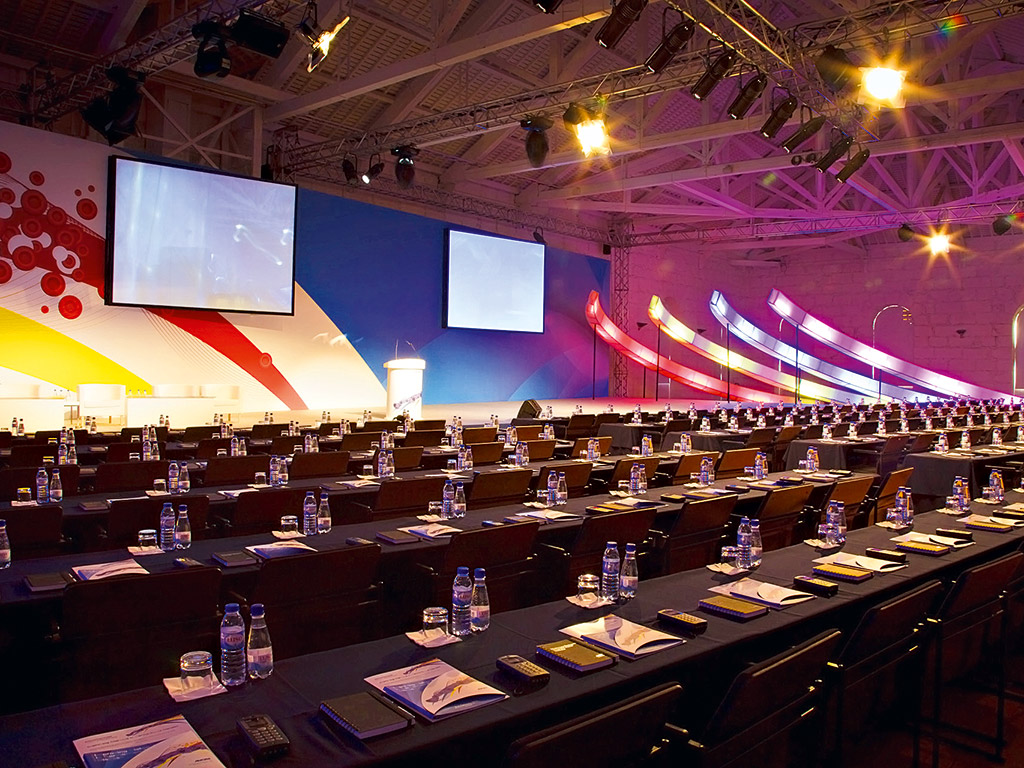
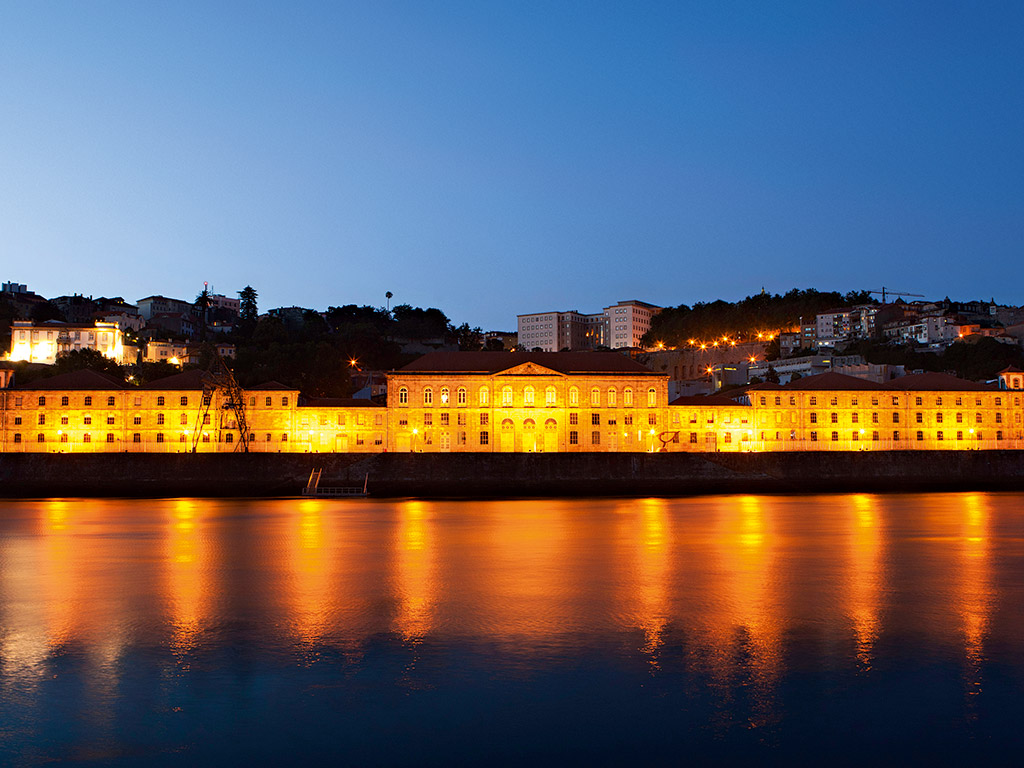


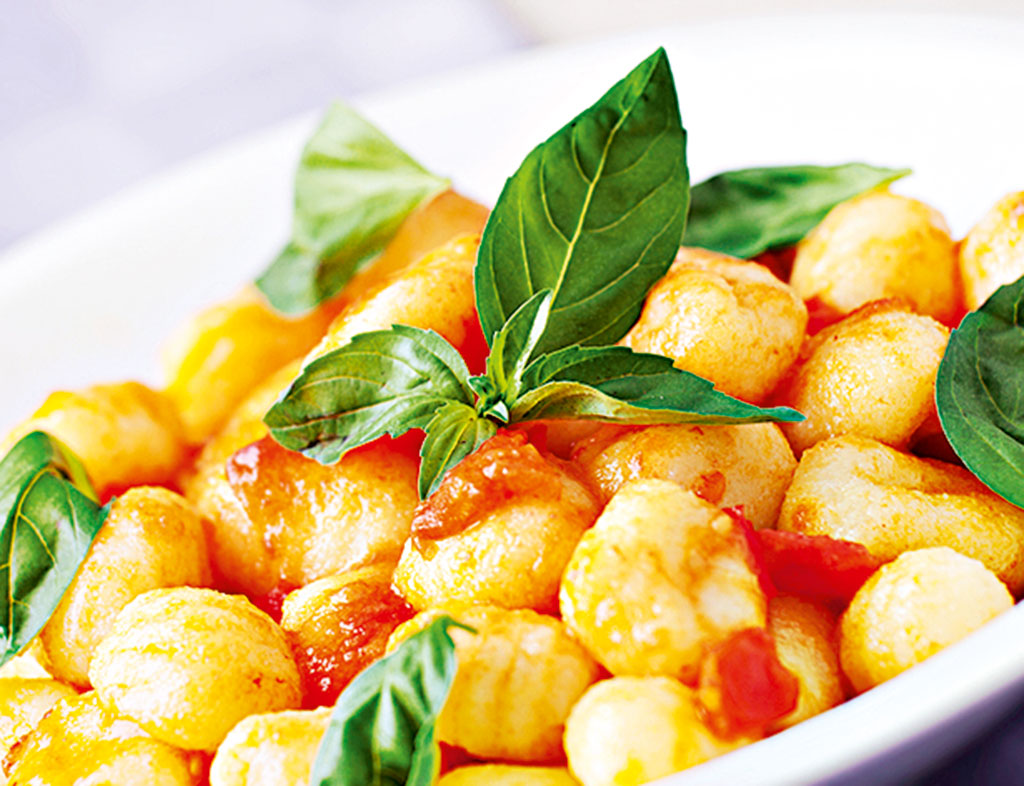


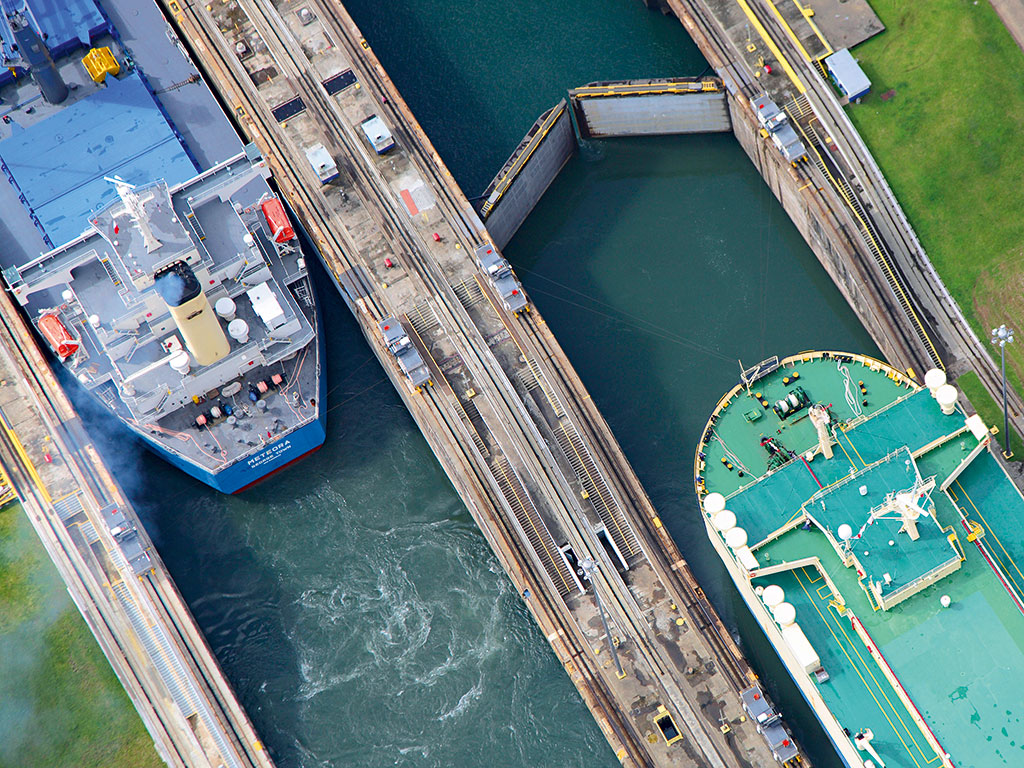

![Henri Matisse (French, 1869-1954). Two Masks (The Tomato) (Deux Masques [La Tomate]), 1947. Gouache on paper, cut and pasted. 18¾ x 20 3/8 (47.7 x 51.8 cm). Mr. and Mrs. Donald B. Marron, New York. © 2014 Succession H. Matisse, Paris / Artists Rights Society (ARS), New York](http://www.businessdestinations.com/wp-content/uploads/2014/05/Two-Masks-The-Tomato.jpg)