Suvretta House

Engadin St Moritz, an idyllic, sun-drenched valley situated on the southern side of the Swiss Alps, is regarded by some as the birthplace of winter tourism, as well as the home of Switzerland’s first ever ski school. Ever since this school opened in 1929, tourists have flocked to the area each winter to bask in its magnificent scenery and range of outdoor activities.

Located 1,850m above sea level on the slopes of Mount Suvretta, Suvretta House is the work of pioneering hotelier Anton Sebastian Bon, who envisioned a grand hotel nestled in the Swiss mountains. The luxurious chateau has been enchanting visitors since it opened in 1912. Situated amid meadows and alpine forests while overlooking a spectacular landscape of mountains and lakes, Suvretta House celebrates over 100 years of illustrious tradition.

Situated amid meadows and alpine forests, Suvretta House celebrates over 100 years of illustrious tradition

Luxurious offerings
The hotel offers 181 luxurious rooms, as well as a selection of elegant suites. Privacy, ample living space and tasteful furnishings are all valuable features of the chateau, allowing each and every guest to feel at home during their stay. All guest rooms offer plenty of daylight: the rooms and suites on the southern side of the hotel afford guests stunning views of the Upper Engadin landscape, while accommodation on the hotel’s east, west and north sides overlook spectacular parklands, the slopes of Mount Suvretta, and the nearby Corviglia skiing resort. These magnificent views guarantee any guest a relaxed stay – however, for those business travellers wishing to continue their work in the comfort of their Suvretta House room, free wireless internet is available in every guest room and across the resort at large.

The heart of the hotel is its magnificent communal room, the Hall. Steeped in tradition and reminiscent of the chateau’s early days, guests gather in the Hall to read the local newspapers or sample the famed afternoon tea. In the evenings, the Hall is the preferred place for a delicious aperitif before dining in the hotel’s renowned Grand Restaurant. Here, Head Chef Fabrizio Zanetti delivers impeccable French cuisine using only the freshest produce from the local market. His seasonal specialities are popular with visitors and locals alike, with the restaurant’s formal dress code, grand oak pillars and keen focus on traditional fine dining creating the most luxurious atmosphere in the region. Other dining options at Suvretta House include the cosy Suvretta Stube, which offers Swiss specialities and authentic Grisons dishes, and the Chasellas Restaurant, which is located in the vicinity of the hotel and is the perfect lunch spot for skiers and hikers.

Suvretta-House-2


The height of relaxation
Suvretta House strives to ensure that every guest is relaxed and rejuvenated upon their departure from the hotel, regardless of the purpose or length of their visit. The hotel’s magnificent health, fitness and spa area spans 1,700sq m, including a 25m indoor swimming pool that overlooks the mountains, an open-air heated whirlpool bath, and extensive sauna facilities that offer a variety of treatments, temperatures and humidities. For guests wishing to continue their everyday exercise regimes while away from home, the hotel’s gym is equipped with the very latest cardio and strength training equipment.

The surrounding area has yet more to offer for those spare moments between meetings in one of the hotel’s 15 events spaces: the enchanting mountains soar to up to 4,000m in height and offer a variety of adrenaline-fuelled activities throughout the year. The St Moritz region is home to the only natural ice bob track in the world, and in 2017 will also stage the FIS Alpine World Skiing Championship for the fifth time. The natural beauty and outstanding diversity of this region ensures that any guest, visiting for business or leisure, will have a truly spectacular stay.

Kasbah Du Toubkal

Every piece of furniture, every sheet of linen, every plank of wood and every single stone used in the construction of the Kasbah Du Toubkal was carried up a steep, rough track on the backs of mules or men. As a feat of endurance, imagination and sheer tenacity, the hotel is remarkable and undoubtedly worthy of the awards that have been heaped upon it.

From the moment of its inception, the hotel – an innovative partnership between the European continent and the North African Berber community – has contributed to the health, wealth and wellbeing of the local villages of the Imlil Valley and beyond. Opened in 1995, the Kasbah has just recently been named as a charter member of the new network of global sustainable properties as assembled by the National Geographic Society, making it one of only 23 formally recognised National Geographic Unique Lodges of the World.

Local traditions and etiquette are maintained by the born-and-bred Berber staff

Africa meets Europe
The hotel is owned by Discover Ltd, a UK-based travel company set up by Mike McHugo and his close friend Omar Ait Barmed, a mountain guide from the village of Imlil. The company decided to acquire a derelict building sitting on a rocky outcrop above the village, which was once the summerhouse of a local Caid (feudal baron). Originally built in the 1930s, it was left abandoned in 1956 when Morocco regained its independence from France.

Though crumbling, some 60 descendants of the Caid still technically owned the building. After two years of work, however, Discover Ltd was able to take charge of the site, and throughout 1995 Ait Barmed and a team of local men worked to restore the Kasbah, rebuilding it atop its original foundations. 20 years ago this autumn, the Kasbah Du Toubkal (named after the highest mountain in North Africa) first opened its doors to travellers.

The Kasbah is not a conventional hotel: a mixture of traditional Berber salons and local crafts, activities, food and hospitality has influenced its interiors. Local traditions and etiquette are maintained by the born-and-bred Berber staff. It has become more than just a stopover for the wanderer trekking up the High Atlas Mountains – the hotel is a perfect place for reflection and rest amid the idyllic mountain surroundings.

Committed to the community
The Kasbah is also unique in its commitment to providing employment for local artisans and other workers: by taxing itself five percent of its revenues, the hotel is able to push additional funds back into local community projects. This primarily covers the work of the Association de Bassins d’Imlil and Education for All projects, the latter of which provides scholarships and safe, suitable boarding houses for girls from the remote High Atlas villages, allowing them to continue their education beyond primary school.
Kasbah-Du-Toubkal-2
Founded in 2007, the first girls from the Education for All project have now left school and some are studying at university – the very first Berber girls from the region to do so. There are now over 140 girls with scholarships living in five boarding houses funded by the project.

With its focus on innovation and supporting the local community, the Kasbah Du Toubkal continues to be, as stated by Conde Nast Traveller, “the country’s premier mountain resort… with the finest rooftop views in North Africa”. Open all year round, the hotel has 12 en suite rooms, two luxury suites and a separate satellite lodge with four bedrooms. There is also the Grand Salle; an event room that can accommodate up to 60 people. Located only 40 miles from Marrakech, the Kasbah Du Toubkal is an ideal place to relax or escape from the buzz of the city.

Steigenberger al Dau Beach Hotel

Hurghada is a beautiful beach resort town located on Egypt’s idyllic Red Sea coastline. While the area boasts numerous places for any traveller to rest their head, for those looking for something truly special there is really only one option.

There is never a bad time to enjoy the peace and tranquility on offer at the five-star Steigenberger al Dau Beach Hotel, with the weather in Hurghada remaining warm all year round: the average temperature never drops below 24 degrees Celsius in the winter months, and tends to stay in the high forties in the height of the summer. If things get a little too hot, however, guests always have the option to take a dip in the pool – or, for those looking to take a plunge into all that nature has to offer, guests can visit the hotel’s Ilios Dive Club.

Located on the resort’s own beach, the dive club has its own private marina and offers holidaymakers full diving services that cater for both the seasoned diver and first-timers.

There is never a bad time to enjoy the peace and tranquility on offer at the resort, with the weather in Hurghada remaining warm all year round

Regardless of proficiency, once beneath the waves novices and veterans alike are treated to one of the most spectacular marine habitats in the world, bursting with colourful coral reefs and a huge array of wildlife.

The water’s surface
Travellers who are looking to experience the underwater beauty that the Red Sea has to offer without getting wet can board one of the resort’s glass bottom boats. Should passengers then decide that they want to get a closer look, the boats come equipped with enough snorkel equipment to let everyone on-board take a swim.

On the surface of the water, travellers can swap their flippers for something a little more adrenaline-inducing at the Ilios Aqua Centre. Guests of the hotel can try their hand at windsurfing, wakeboarding and water-skiing, while those looking for a thrill with none of the effort can hop on a banana boat, or simply go for a tour on one of the resort’s many speedboats.

Steigenberger-al-Dau-Beach-Hotel-2

Help to unwind
If guests get a little tired of the water, there are a number of dry-land activities to sample. One of the most impressive has to be its nine-hole, pitch and putt golf course, which is situated right next to the beach, providing the perfect backdrop for honing that swing.

“Open every day of the calendar year, guests can play a relaxing game of golf day or night”, reads the hotel’s website. “The course is floodlit to enjoy the cool of the night during the hotter months.” What’s more, the course has its own practice area, with a professional coach on hand to provide everything from tips and advice on how to improve a regular player’s technique to one-on-one lessons to help beginners better enjoy the game.

After a long day in the water or on the green, it is essential to unwind and relax. To help transport the mind of the traveller from the stresses of everyday life, the Steigenberger al Dau Beach Hotel urges guests to visit its Algotherm Thalasso and Spa. Here holidaymakers can treat themselves to a massage, a facial or one of the many other spa specials on offer.

All this and more awaits those who choose to make the Steigenberger al Dau Beach Hotel their home away from home – but no matter what guests decide to indulge in during their stay, an incredible time is guaranteed.

Reserva do Ibitipoca

A stay at Reserva do Ibitipoca allows you to feel like you have gone 100 years back in time. The beautiful lodge, which was once the main house at Fazenda do Engenho (‘Engenho’s Farm’), is an authentic 18th century farmhouse, sitting at 2,950ft above sea level amid some of Minas Gerais’ most stunning forests and parks. Founded in 1981, the reserve’s ultimate goal was to expand the wildlife corridors connecting the lodge to Ibitipoca State Park; a 1,488-hectare forested park made famous by its landscape of cliffs, rocks, natural bridges, caverns and waterfalls. Reserva do Ibitipoca’s aim continues to be the reforestation of native flora species, and to provide larger spaces and better conditions for the reintroduction and reproduction of wild animals that are indigenous to the region, but that are now endangered.

The hotel was opened in order to bolster economic growth in the region, allowing the reserve to become a truly
sustainable project

In 2008, the hotel was opened on the site in order to bolster economic growth in the region, allowing the reserve as a whole to become a truly sustainable project. Since then, the hotel has welcomed people to explore the reserve’s 4,000 hectares of natural and historical wealth, while remaining in touch with the local population.

Traditional luxury
Reserva do Ibitipoca rejects the traditional feel of a hotel, as it prides itself on being much more than that: the reserve feels more like a home, with eight rooms each decorated with local handicrafts, one-of-a-kind furniture and a series of luxury amenities, including underfloor heating and Victorian baths, to make guests feel truly welcomed. However, what really stuns guests during every stay is the experiences that can be had there: being greeted by a warm reception, customised treatments, candles and rose petals in each bedroom, marvellous food and unforgettable well-being treatments at the hotel’s spa are just some of the features that await guests upon arrival.

A particular attraction is the traditional mineira cuisine. Breakfast at Reserva do Ibitipoca is an invitation to taste foods typical of the land, with all meals being produced at the hotel itself. Lunch is served from the hotel restaurant’s wood-burning oven and can be enjoyed next to the nearby waterfall. Dinner is the truly special daily event, and can be served in a variety of exotic locations, including underneath one of the hotel’s magnificent Jabuticabeira (Brazilian grape) trees. Every meal is delicious, locally produced and lovingly prepared by some of the hotel’s 50 employees, all of whom are members of the Ibitipoca community.

Reserva-do-Ibitipoca-2

Forest trails
Reserva do Ibitipoca offers guests a series of once–in-a-lifetime opportunities that allow them to get closer to nature and local attractions. All tours are conducted by local guides and can be done on foot, by bike or on Mangalarga horseback. The different trails range in length from 2-57km, passing by waterfalls, breathtaking views at heights of up to 4,920ft, and natural pools made distinctive by their ‘Coca-Cola water’ – water that is reddish in colour as a result of the decomposition of nearby plants and the presence of iron compounds.

The reserve and its hotel are both increasing in popularity due to their uniqueness as a destination. Reserva do Ibitipoca’s customised itineraries and incredible service, combined with top notch amenities, stunning nature and contact with the local community and culture, make for an incredible stay in the peaceful scenery only 167 miles from Rio de Janeiro. The hotel’s exclusivity makes it the perfect spot for a honeymoon, a relaxing finale to an exciting trip to Brazil, or an ideal stopover during a road trip through the colonial towns and cities of Minas Gerais.

How are overseas property markets fairing?

The latest Quarterly Index figures from the OverseasGuidesCompany.com – made up of downloads of its quarterly buying guides – record 14,359 enquiries during the first quarter of 2015. This figure represents a 22 percent increase in comparison to the same time in 2014, in that year’s strongest quarter.

Total enquiries for the first half of 2015 were up 27 percent compared to the same time in 2014 – however, there has been a 5.56 percent drop in enquiries since the highly successful first quarter of 2015. The UK’s general election, ongoing discussions about a UK-EU referendum and Greece’s economic situation have all caused concern for the Brits. Many would-be property buyers have put their plans on hold.

Spain remains in the spotlight

Spain remains the most popular country with British buyers, with SpainBuyingGuide.com downloads accounting for 32 percent of all enquiries this quarter. The company recorded a figure of 4,618 enquiries this quarter, although this has fallen 11 percent in comparison to the buoyant first quarter of the year. Despite this, enquiries about Spanish property were still up year-on year, with a very healthy 55 percent increase from Q2 2014.

The Costa del Sol and Costa Blanca continue to drive the Spanish market, proving the most popular areas of Spain with UK expats and second homeowners.

France still ever-popular for British buyers

France came in second place, accounting for 22.5 percent of all enquiries. Enquiries for France were in a better position than those for Spain in Q2, dipping by just 0.5 per cent compared to Q1 2015 and totalling 3,240 for the quarter. FranceBuyingGuide.com also recorded a 25 percent increase compared to Q2 2014. This reflects a market that is always popular with British buyers, with fewer ups and downs than its neighbours in Spain and Portugal.

The South-West of France continues to be a key buying area for the British, from the Charente Maritime down to the Pyrénées Atlantiques; and across to the Lot and Tarn et Garonne.

Portugal continues to perform

Portugal has made steady progress, coming in third place, with 10.5 percent of overall enquiries. Interest from British buyers in Portugal has continued year on year, ending the last three months on a fairly even keel compared to the first quarter of 2015. The 1,500 PortugalBuyingGuide.com enquiries for Q2 2015 show a good increase compared to the same time last year, with a year on year boost of 24 percent.

Italy surprises after difficult times for the market

Italy was the star performer of Q2 2015, overtaking the USA to take fourth place with a 17.6 percent rise in enquiries compared to Q1. More surprisingly, Italy outperformed all the other most popular countries from a growth perspective, with enquiries for Italy rising 17.6 percent to 1,114 in Q2 compared to Q1. This represents a year on year increase of 19 percent compared to the same time in 2014.

USA loses out in the sterling-US dollar rate race

The US saw the greatest fall of 34 percent, slipping down one place to become the fifth most popular destination. This could well be as a result of sterling’s strength against the euro, which, compared to the less favourable sterling-US dollar exchange rate, has made the US market less for British buyers.

The 779 enquiries for the USA represents a fall of 34 percent in Q2 2015 compared to Q1 2015 and a 32 percent drop compared to Q2 2014. During Q1 2014, the sterling-US dollar exchange rate was hovering just under £1/$1.70, while this year it has stuck at around £1/$1.55 – this difference of around 10 percent would mean an additional £13,000 on a $200,000 property, which goes some way to explaining the decrease in popularity as a destination for British buyers.

Angelos Koutsoudes, Head of OverseasGuidesCompany.com, commented:

“The uncertainty that came in the run-up to May’s General Election could account for the slight dip in enquiries in Q2 compared to Q1. There is little doubt that many people will have put on hold plans to buy an overseas property or to move abroad until they know what the next few years might hold in terms of financial stability, house prices and any changes to pension rules.

“Concerns following the Greek crisis and about an EU Referendum in particular have been cited as reasons to put overseas property plans on hold, despite a potential two-year wait and no guidance as yet as to what would happen if the UK were to leave the EU. While unfolding political and economic events have certainly had an effect on those with aspirations to buy or move abroad, we believe that these fears are, as yet, unfounded.

“When considering key financial and lifestyle decisions such as buying a property abroad – whether as a second home or for a more permanent move – it is so important to be able to cut through all the speculation and focus on the reality of the situation and the bigger picture, which, in this case, is not as bad as it may seem. Early indications regarding an EU Referendum are that the general UK sentiment is to stay in the EU and to continue to enjoy the relationship and reciprocal agreements we have in place currently.

“Fortunately, the outcome of recent political events has, on a general level, been well received across European markets, helping sterling maintain seven-year highs against the euro, which continues to suffer following the Greek crisis.

“Given how kind the sterling-euro exchange rate has been this year compared to the historically less favourable sterling-US dollar rate, it’s unsurprising that interest in Eurozone countries is faring better than the USA, where Florida has traditionally been the most popular destination.”

Words by the Overseas Guides Company, publishers of buying guides in over 15 countries, 0207 898 0549.

Madrid: booming with life and business

Known for being a city where exciting trends and new businesses are created often and organically, Madrid is renowned for its friendly atmosphere and innovative professional culture. Its beautiful setting ensures that taking time out and doing business are equally enjoyable, while Madrid’s rich artistic heritage, fine cuisine and the passion of its locals make it truly one of the most attractive destinations in the world.

Madrid offers more than 80,000 hotel beds, along with two conference centres and two trade fair venues. These expansive sites offer direct connections to the city’s airport, which recently doubled its passenger capacity, thereby making it one of the principle destinations for business travel on the continent. The city’s hotels offer a highly competitive quality-to-price ratio, giving special prominence to designer venues that exude personality. Cheaper than London, Paris or Moscow, accommodation in Madrid promises cleanliness and style without breaking the bank.

The city’s fantastic vitality is contagious, and guests arriving for business or leisure are sure to feel
its effects

Enviable culture
Travellers returning from a stay in Madrid often comment on how welcome they were made to feel by the city’s outgoing locals. However, the hospitable environment can also be attributed to other factors, including the 3,000 hours of sunshine that the city receives every year, its prestigious title as Spain’s capital, or its strategic location between continents. Whatever the reason, Madrid’s fantastic vitality is contagious, and guests arriving for business or leisure are sure to feel its effects.

Unique initiatives and events spring up around the city throughout the year, injecting yet more life into Madrid’s unbeatable cultural agenda. With over 90 museums and more than 2,000 historical monuments, the city boasts an unrivalled artistic wealth that is spearheaded by the Prado, Thyssen-Bornemisza and Reina Sofía art museums on the internationally renowned Art Walk.

The definition of culture in Madrid also extends to food, design, fashion and architecture. The selection of such leisure activities is a faithful reflection of the city’s zest for life, its respect for tradition and its commitment to both the experimental and sustainable. In addition to its collection of 13 Michelin star-winning restaurants (totalling 20 stars across the city), Madrid offers a staggering variety of extra dining options: the city’s boutique restaurants are famed for their cutting-edge culinary creations, superb service and exceptional décor. Additionally, with a huge variety of both designer and independent shops plus a brimming cultural and sporting calendar, Madrid has earned its reputation as one of the most engaging cities in the world.

A green city
Located between the Guadarrama Mountain Range and Vega del Tajo, Madrid has an enviable natural heritage. The vast amount of trees that line the city’s avenues and gardens provide clean air and create an ideal atmosphere for walking, sports and leisure. El Retiro, La Casa de Campo and El Monte de El Pardo are a few of the finest parks and forests
in the city.

Thanks to its vanguard conference facilities, specialised professional services, efficient transport network and exceptional hotel sector, business meetings can be hosted across the length and breadth of the city. Furthermore, given its status as the economic centre of the country and the home of 90 percent of the largest companies operating in Spain, Madrid acts as a global showcase for the presentation of new products and proposals. The city’s business facilities are complemented by its palaces, theatres and other unique buildings, many of which are available to organisers who wish to host a truly remarkable event.

However, if Madrid is to be given a single defining feature, it is its ability to make business meetings a pleasurable experience. In Spain’s capital city, the line separating business and leisure is purposefully blurred, making it possible to hold meetings and close business deals while enjoying the area’s unbeatable entertainment, food and culture.

Fighting against MERS

On June 6, a 65-year-old patient in Ostercappeln, northwest Germany, fell victim to a lung infection after a virus he contracted while away in Dubai inhibited his immune system. These events were unspectacular in that the patient was by no means the infection’s first victim – but the news was significant in that it marked the first fatality caused by the virus on European soil, and the latest chapter in this year’s whirlwind MERS saga. Relatively unknown until recently, the disease has inflicted major pains on the international community, and threatens to reawaken the same fears that blighted Asia’s growth only a decade ago.

MERS rising
According to the Centres for Disease Control and Prevention, Middle East Respiratory Syndrome – or MERS as it is more commonly known – is a viral respiratory illness that was discovered three years ago in Jordan and has since extended to nations in (and, more recently, beyond) the Arabian Peninsula. Belonging to the coronavirus family, of SARS fame, and so far known to affect patients from the ages of one to 99, the virus is quickly becoming known worldwide – and for all the wrong reasons.

MERS is yet to inspire unbridled panic to quite the same degree as its more famous cousin, yet the virus has nonetheless succeeded in ruffling a few feathers, and will continue to do so for as long as the deaths climb further into the dozens. Symptoms range from fever, coughing and shortness of breath to pneumonia and a number of gastrointestinal issues – though the most startling point by far is that there is, as yet, no cure for a virus that kills approximately 36 percent of its victims.

123,000

Trips to South Korea were cancelled in the first half of June 2015

41

Cases of MERS had been confirmed in South Korea by the middle of the year

Over 1,000 cases have been confirmed and over 400 people killed so far, yet there has been little interest in the virus until recently. Referring to the outbreak in South Korea, the World Health Organisation (WHO) called the epidemic a “wake-up call”, with its Assistant Director, General Keiji Fukada, admitting that “we don’t understand the situation very well”. Initially contracted (as was the case in Ostercappeln) through close contact with animals, and even then only very rarely, MERS is now making its way from human to human and inspiring much instability in a growing number of nations.

South Korea’s failings
So far the virus has hit over 20 countries, though none like South Korea: in June this year, Seoul’s city mayor felt so strongly about the situation at hand that he declared “war” on the virus, and pledged to shield his people from further infection: “We will take swift and stern measures… to protect the lives and safety of our citizens”, said the man in question, Park Won-Soon.

With the country said to be the worst affected outside of the Middle East, the number of confirmed cases (as of June) had reached 41, and that of those in quarantine was fast approaching the 7,000 mark. Speaking on the administration’s failure to contain the infection, Park went to great lengths to assure all in Seoul that their safety would be better seen to. Elsewhere, the country’s Health Minister, Moon Hyong-Pyo, extended his and his employer’s apologies for any anxiety caused by the outbreak, though remained resolutely opposed to Park’s criticisms. But no matter their differences, each individual has failed to offer much in the way of comfort to the hundreds of families affected, or the millions more that have been spooked by scenes reminiscent of the 2002 SARS outbreak. Much about the virus remains unknown, and the head of the WHO, Margaret Chan, admitted as much in June. Most worrying of all, however, is that a number of new cases have managed to slip through the net entirely, indicating that the country’s control procedures have fallen short at a time when growth is already slow.

A lack of knowledge about the virus and its symptoms, both among health workers and the public at large, is thought to be responsible for the country’s failure to contain the virus, particularly in its early stages. Patients were reportedly penned in crowded emergency rooms for long periods of time, and were allowed to seek second and even third opinions from other hospitals, a phenomenon known as ‘doctor shopping’. Heavy criticism has befallen the government since the index case first slipped past airport security, and the situation has exposed the shortcomings of South Korea’s barebones healthcare sector – for starters, the country’s privately run healthcare providers, whose presence has spread in light of Korea’s ageing population, have been slow on the uptake, and the public sector is without the necessary resources to stamp out the issue.

In June, for-profit Samsung Medical Centre and Pyeongtaek St Mary’s Hospital accounted for 70 percent of all MERS cases. However, the private sector’s prohibitive cost structure means that many patients can ill afford a private room. Regardless of this oversight, none have faced heavier criticism than the government, whose failure to establish a proper strategic framework or inform the population at large about the issues has cost the country dear.

During last decade’s SARS outbreak, South Korea was held up on high as a model nation in terms of government response, with only four reported cases and no deaths. However, a culture of secrecy has bred mistrust among the public and has resulted in a record number of MERS cases – that is, until recently. With reports abound that tourists are fleeing the country, the ruling administration has taken immediate action to restore its hard earned reputation and stem its losses.

Clamping down
A quick visit to the Official Korea Tourism Organisation’s website raises a list of recommended preventative and corrective measures for safe travel in Korea, with each accompanied by a string of emergency numbers should any tourist fall ill. Yet the measures introduced recently extend far beyond simple guidelines, and so new rules have been written into law to better contain the disease.

The most significant of these was passed in late June, where authorised prison sentences of up to two years and fines of up to $18,000 were introduced for any person found guilty of breaching quarantine or lying about their condition. Primed to take effect at the end of the year, the law is in answer to the country’s poor disease control mechanisms and uncommunicative members of the public, whose past actions have put the population at risk.

South Korea’s first reported MERS case was allowed to bypass security in large part due to the patient refusing to comply with procedures, while the withholding of travel details meant that his diagnosis and the diagnosis of others was made more problematic. Likewise, another patient reportedly went golfing while a third travelled to China; incidents that, under the new laws, would warrant extremely heavy fines.

The number of state workers allocated to the task of containment has also been doubled, and officials have gone to great lengths to urge the population to stay vigilant should they suspect anything. At present, it appears that the initial spike in cases is beginning to level off, though the consequences for the country are only now beginning to show themselves: beyond the obvious health implications are many more for the economy at large, and in South Korea the outbreak is weighing on a slow growing economy.

Tourism takes a hit
The country’s Finance Minister, Choi Kyung-hwan, took to the stage in June to announce a more-than-$13bn supplementary budget with the hope that it might mitigate the impact of Korea’s gathering health crisis. In July, the government proposed an additional $10.5bn stimulus package – designed to counter falling tax revenues and slowing growth, the full package should go some way towards mending the damage done by the outbreak. The finance ministry also downgraded the country’s economic growth forecast from 3.8 percent to 3.1 percent for this year, with the currency expected to depreciate further still as the consequences take hold.

“The spread of the illness is credit negative for the sovereign, because it is dampening consumer confidence amid already-weak domestic demand, threatening to undermine an incipient recovery in economic growth”, according to Moody’s Investors Services. Although unlikely to trigger anything as serious as a credit downgrade, the impact is significant nonetheless, particularly for the services industry and for the country’s booming tourism sector. According to the Korea Tourism Organisation (KTO), more than 123,000 tourists cancelled their trips to South Korea in the first 18 days of June, and the long-lasting impact on the country’s reputation could hand the industry a serious blow.

This drop in bookings, mostly from China, Taiwan and Hong Kong, meant that arrivals were down 20 percent that month, following a 7.6 percent rise in May. Statistics also show that visits to the popular resort island of Jeju suffered a 46 percent decline in June on the year previous, with the country’s Vice Tourism Minister Kim Chong warning that a 50 percent decline in overseas visitors could reduce the country’s earnings by some $2.3bn.

Travel and tourism contributed a meagre 2.1 percent to national GDP in 2013, but the influx of tourists ever since means that any hurt for the sector could seriously slow the country’s stop-start recovery. According to the KTO, arrivals last year rose at a monthly average of 16.6 percent and the country has in recent times become China’s most favoured offshore holiday destination. The gathering MERS outbreak threatens to bring a halt to the influx, however, and reduced numbers from Asia are a particular concern, with memories of the SARS outbreak still fresh in the public’s minds.

Learning from the past
Going back to the first few years of the 21st century, SARS ranked high on the economic agenda for a continent that was only then beginning to feature on the international stage. For those hit hardest by the outbreak, occupancy rates plummeted into the single digits and growth slid to a virtual standstill. Rising fatalities, mostly in China, Hong Kong, Singapore and Vietnam, inflicted major pains on the tourism industry and threatened to stilt its development in a time when it was only just beginning to gather momentum.

Fearing that the MERS situation could cripple the country’s tourism credentials, Korean authorities have taken pains to halt fleeing travellers in their tracks

With over 900 fatalities and 8,300 reported cases attributable to the disease, SARS became the first pandemic of the century and underlined a great many of the pitfalls associated with international travel. Looking only at the spread of the disease, its impact was relatively minor (compared to AIDS or malaria, for example), though its portrayal as a pandemic did much to stoke fears in the global travel community. Suffice to say that attitudes towards the situation were informed in large part by the media, whose alarmist claims magnified its economic impact and resulted in a great many choosing not to travel.

In the case of China, the impact of the SARS epidemic was so severe that the government was forced to implement new measures to restore the damage done, in terms of both visitor numbers and international reputation. For much the same reasons, the MERS outbreak in Korea has deterred holidaymakers, and the country’s hard-earned status as an emerging holiday destination, particularly among corporate travellers, means that the sector’s revival is a more complex affair than in neighbouring China.

The country’s tourism sector relies in large part on Asian nations for its income, and an outbreak on the scale of MERS is exactly the thing to deter visitors in the surrounding region. South Korea is also generally less accommodating for travellers than some Western countries, and greater complications could prove too much for holidaymakers and corporate clients to stomach. Perched between China, the easternmost tip of Russia and Japan, the country’s strategic positioning is a major draw for corporate travellers. Combined with promising investment opportunities and a sound infrastructure network, this means that the country has fast become a corporate travel hotspot.

Although renowned for its fast moving technological prowess and budding start-up culture, South Korea is nonetheless a land of tradition, and the emerging corporate travel hub is not without its quirks: for example, it is still common etiquette for acquaintances to consume an alcoholic beverage on meeting. Customs much like this are interspersed throughout Korea’s complex corporate culture. The country’s capital, meanwhile, is home to the fifth greatest number of international conferences worldwide and the busiest airport in all of Asia, meaning that accommodation close to the city centre, even in the months prior to booking, is more-often-than-not full to capacity. In Busan, the country’s busiest port city and former capital, authorities are soon to build a new airport with the aim of boosting the city’s credentials as a northeast Asian centre for maritime logistics and finance. But outside of these two cities, there is work still to be done before the country is truly considered a formidable corporate travel destination.

Making it right
The MERS outbreak carries with it uncertain connotations for a corporate travel sector and emerging Asian economy that is yet to reach its full potential. The fallout threatens to stop any recent developments in their tracks, and while Seoul is arguably the only major city nationwide that can feasibly cater to all divisions of corporate traveller, the reputational damage wrought by the virus may encourage travellers to head for other Asian destinations.

Fearing that such a situation could cripple the country’s tourism credentials, Korean authorities have taken pains to halt fleeing travellers in their tracks. Aside from the more stringent containment measures mentioned previously, the government has also looked to remove some of the more common obstacles to entry, including plans to waive visa fees for Southeast Asian tourists in the hope that doing so might boost arrivals and sway wary travellers. This, combined with the $13bn supplementary budget and improved disease management, will do much to stem the losses in the immediate term. The challenge for South Korea, however, is not necessarily to keep visitor numbers healthy, but rather to ensure that it overrides the mistakes made in the immediate aftermath of the outbreak.

Should the country keep intact its growing reputation as an emerging corporate travel hub, then there are few doubts as to what the future could hold for a country with all the qualities it takes to succeed on the international stage.

Toronto collects record numbers of visitors

Over 25 years on from Toronto’s amalgamation, the megacity and red-hot commercial capital stands tall as a shining beacon of prosperity. This year, it will host the Pan Am Games, and last year it saw the largest influx of visitors on record. The city’s tourism credentials are heating up – and so too is its corporate appeal: “The world is continuing to take notice of Toronto’s emergence as an exciting leisure travel and meetings hot spot”, said David Whitaker, President and CEO of Tourism Toronto, in a press release earlier this year. “This is a sophisticated city with a growing reputation and people want to come see for themselves what all the buzz is about.”

Growing not just outwards but upwards, towering office blocks and skyscrapers have pierced the skyline and pushed prices ever further into the stratosphere. Cranes dot the cityscape and the sound of construction works echo on every major street, as wealthy residents – both corporate and individual – keep the city’s ongoing improvements ticking along.

Last year, 18 brand new buildings, including three office towers, were approved over only two days of city council meetings. The non-stop procession of construction works has more than once been referred to as the ‘Manhattanisation’ of Canada’s largest city.

25m

People visited Toronto in 2014

71.4%

was Toronto’s average hotel occupancy rate in 2014

40%

of Canadian business headquarters are located in Toronto

Reaching skywards
In a period where housing throughout much of Canada is becoming more affordable, prices in Toronto are skyrocketing, brought on by the city’s breakneck rate of expansion and growing business appeal. According to a recent report penned by RBC Economics, this situation has only come about in the last four years or so, as high and rising prices continue to stretch those on a typical household income – unlike in Vancouver, where affordability has long been an issue.

One Bloor East, Ïce Condominiums, Harbour Plaza Residences and Ten York: each is only one in a long and growing list of housing projects, with the first on course for completion next year and set to rise 257 metres, containing 73 floors of condominiums perched above two floors of retail space. But even this mammoth construction could soon be eclipsed by the newly proposed and neighbouring The One at One Bloor West, which, when completed, could reach a vertigo-inducing 318 metres. In fact, the development industry has taken hold so completely that competing firms are queuing up for the equipment, and commuters can often be seen scrapping for space in congested and construction-hit roads.

Behind the building works and ever-audible sounds of drilling lies a city in the midst of a major transformation. Toronto has fast made a name for itself as a first class destination for both businesses and individuals, and while much of the focus has fallen on the growing pains recently heaped upon it, the city’s capacity to absorb these stresses and emerge out the other side all the better for it is a rather more deserving case for attention.

Tourism explosion
Owing both to a weaker currency and a gathering US recovery, for the first time in history Toronto is on course to outperform its Canadian peers. According to the Conference Board of Canada’s Metropolitan Outlook: Spring 2015 report, the manufacturing, transportation, warehousing and retail trade services have each made a major contribution, though perhaps the most noticeable beneficiary is travel and tourism.

Findings from Tourism Toronto confirmed that last year was a record-breaking period for the city, with the business and financial heartland of Canada having welcomed 14.3 million overnight visitors throughout the 12-month period. Buoyed by a fourth consecutive year of growth in visitors from across the border and the highest number of overseas tourists on record, Toronto currently sits in first place in terms of hotel occupancy rates and the number of hotel room nights sold nationwide.

Overall, some 9.45 million hotel room nights were sold through all of last year, with an average occupancy rate of 71.4 percent; the highest of any city in Canada. “In just two years we have generated 444,000 more hotel room night stays toward our five-year goal of one million”, according to Terry Mundell, President and CEO of the Greater Toronto Hotel Association. “More room nights are not only good for hotels and their employees, but equate to more visitor spending in our community.”

Focusing on high-value visitors from major US cities, as well as those from key overseas markets including the UK, Germany, China, Japan and Brazil, the sector’s marketing strategy is to capitalise on free-spending international tourists, though it also considers holidaymakers closer to home. Representing an increase of 3.7 percent on the year previous, 2.3 million American tourists enjoyed at least a one night’s stay in Toronto in 2014, with 64 percent having travelled by air. Including day trips, 25 million people in total visited the city in 2014. However, more important still was the emergence of China as the city’s leading overseas market: with over 230,000 visitors landing on the city’s soil, a number that was up 27 percent on the previous year, China knocked the UK and its 217,000 tourists down to second place.

Far from being significant in terms of numbers alone, the economic contribution of tourism is well worthy of note: the combined spend of overnight visitors last year was $4.5bn (not including airfares) and Canadians, who made up the majority of inbound visitors, contributed a healthy dose of $2.44bn. “We’re thrilled with Toronto’s ongoing reputation as a top international destination”, said Michael Coteau, Minister of Tourism, Culture and Sport. “And we’re proud that our government, working together with Tourism Toronto and other partners, continues to successfully attract tourists, create jobs and grow our economy here in Ontario. Looking ahead, we expect an even bigger economic boost this year as we host the TO2015 Pan/Parapan Am Games.

“The outlook is not without its challenges, but there has never been a more exciting time to visit Toronto – from new attractions, the new Queens Quay promenade, UP Express, new and renovated hotels and a summer-long line-up of festivals, events and special promotions.”

Where to eat

Richmond Station
1 Richmond Street West
(647) 748 1444
richmondstation.ca
From the long, tunnel-like room that makes up the main dining area to the white tiles that cover its walls, Richmond Station noticeably takes its inspiration from Toronto’s subway network. Its two founders, Ryan Donovan and Top Chef Canada winner Carl Heinrich, maintain the communal feel of the subway through the lines of intimate two-person tables and into the food itself, which Heinrich says “isn’t fine dining – it’s buying good food, cooking it properly and putting it on a plate”. Richmond Station’s menu is small but impressive, including dishes such as oysters on the half shell and lamb merguez orecchiette with red pepper, spinach and tangy Greek feta.

America Restaurant
325 Bay Street
(416) 637 5550
americarestaurant.ca
Soaring 31 stories above the city in the Trump International Hotel, the spectacular views from America Restaurant are a perfect accompaniment for its impressive menu. The atmosphere of the restaurant noticeably changes throughout the day, transforming from a quiet lunchtime nook to a lively Vegas-style lounge after dinner. But regardless of the time of day, the impeccable food is not to be missed: designed to take guests on a culinary tour of the US, America Restaurant’s dishes include blackened catfish tacos, wagyu meatloaf with maple bacon-wrapped new potatoes, and a Hawaiian-style ahi tuna salad with zingy pineapple and coconut.

Where to stay

The Hazelton Hotel
118 Yorkville Avenue
(416) 963 6300
thehazeltonhotel.com
The Hazelton Hotel has award-winning designers Yabu Pushelberg to thank for the finesse of its stunning interiors and enormous luxury guestrooms. Each of the 62 rooms and 15 suites are dusted with a hint of 1940s Hollywood glamour, from the nine-foot-high ceilings and private zebrawood dressing rooms to the unique galaxy-green granite bathroom fixtures. The Hazelton Hotel sets a new standard in luxurious hospitality, offering a range of distinctive amenities including an impressive art collection that is on display throughout the hotel, and a private screening room that can seat up to 25 guests for movie showings or unique meetings and corporate presentations.

The Drake Hotel
1150 Queen Street West
(416) 531 5042
thedrakehotel.ca
Known for offering one of Toronto’s boldest hospitality experiences, the Drake Hotel is situated in a building that dates back to 1890. By embracing an energetic combination of historic architecture and contemporary culture, Drake’s eccentric style trickles throughout its selection of guestrooms, which range in size from the XS Solo room to the XL Suite, as well as its vibrant common spaces – while Lounge and Sky Yard are perfect for cocktails and casual conversation, Room 222 is an intimate alcove that is ideal for hosting private parties. Drake also runs a series of eateries across the city, including Drake One Fifty, a restaurant located in Toronto’s financial district.

Where to meet

Toronto Congress Centre
650 Dixon Road
(416) 245 5000
torontocongresscentre.com
Touted as Toronto’s newest, largest and most innovative trade show complex, the Toronto Congress Centre (TCC) boasts more than one million sq ft of event space across two buildings. With an emphasis on innovation, efficiency and customer focus, the centre’s world-class infrastructure and state-of-the-art technology guarantee a wealth of event options across its 70 meeting rooms and flexible exhibition areas. Located four kilometres away from Toronto Pearson International Airport, TCC specifically caters for business travellers, having formed a series of partnerships with nearby hotels so that visiting delegates are met with comfort and convenience.

Metro Toronto
222 Bremner Boulevard
(416) 585 8000
mtccc.com
With over 460,000sq ft of flexible exhibition space, 66 furnished meeting rooms, 78,000sq ft of multi-purpose ballroom space and a spectacular performing arts and meeting theatre, Metro Toronto Convention Centre (MTCC) prides itself on its ability to host meetings and events of any size or purpose. The award-winning centre, which is both Canada’s largest convention centre and one of the leading such facilities in North America, is also located only metres away from the CN Tower, Air Canada Centre (the city’s expansive sports arena) and a selection of luxury business hotels, including the InterContinental Toronto Centre and Delta Toronto.

Corporate appeal
Where Toronto’s ongoing economic development and thriving tourism scene really interact is within the corporate travel segment, which has posted impressive gains recently as Toronto has become one of the most popular destinations in the region. Looking at the city’s convention sector and at the many events that it has hosted in recent months, what’s clear is that Toronto is fast making a name for itself as a corporate travel hub.

Aside from the city itself racking up record numbers of visitors last year, its convention sector also reached new and unseen heights: throughout 2014, Tourism Toronto and its partners confirmed 665 future meetings and conventions, including 13 major events at the Metro Convention Centre, which together should bring 463,400 attendees and 640,345 hotel room nights to the already buzzing city.

In 2014 the city played host to a series of key events and congresses, including the Million Dollar Round Table, host to 7,000 attendees; the Lions Club International, to 15,000 attendees; the International Astronautical Federation, 2,500; the American Association for Thoraic Surgery, 4,500; and Amway India, which brought in a further 4,000. Additionally, 2015 has already seen Toronto welcoming the meeting of the American Psychiatric Association, which earlier this year brought in 20,000 psychiatrists to the city. A second meeting in August brought a further 10,000.

These visits, while often fleeting, have far-reaching implications for the city at large, with many subsequently choosing to extend their stay or occasionally to bring family and friends with them. Most importantly, a great many of these individuals visiting on business choose to return to the city for leisure purposes and to explore the region further. Nonetheless, the city has long been home to an abundance of thriving businesses, which have each contributed to the city’s continued prosperity over recent years.

Bringing in big names
Coca-Cola, KPMG, Scotiabank and Volkswagen all boast a sizeable presence in Toronto, alongside a host of other high-profile names. A web of interconnected businesses, a deep talent pool and a supportive municipal government together promise a great deal for companies that are seeking an accommodating environment, with the depth and variety of innovation on show having done a great deal to the underline the extent of the city’s leadership. One KPMG report showed that Toronto was the most tax-competitive major city in Canada last year, behind Vancouver and neighbouring Montreal in second and third. Another account, by the Economist Intelligence Unit, puts the city eighth out of 50 countries in its Safe Cities Index 2015, with digital and health security, infrastructure and personal safety all scoring highly.

The Toronto Stock Exchange, meanwhile, is the largest exchange in Canada and the third largest – in terms of traded value – on the continent. Some of the biggest names in the country’s banking community have now erected their headquarters in Canada’s biggest city, and the head office of a great many financial firms are located on much the same grounds. Home to the headquarters of five leading Canadian banks (who together control 80 percent of the market) and 80 percent of the mutual fund industry, Toronto is nothing short of a playground for financial services.

For seven years running now, the World Economic Forum has ranked Canada’s banking system as the soundest in the world, and – as the heartland of the nation’s rich financial community – Toronto has done much to spearhead the latest developments: here is a financial services sector that employs 251,000 people, meaning that its size in this regard is third only to New York and Chicago.

As a hub for culture, sports and entertainment, Toronto’s deserved status as an economic powerhouse has attracted both businesses and individuals in their droves. Home to over 40 percent of the nation’s business headquarters and 19 percent of national GDP, studies conducted by Moody’s have forecasted that by 2017 the city will surpass London in terms of jobs in financial services, with an additional 100,000 added in the period through 2012 to 2020.

A growing city
It’s not only major names that benefit from Toronto’s better parts, but SMEs and start-ups also, which have in turn contributed a great deal to the city’s growth story. Property tax rebates, charge and fee exceptions and energy savings incentives all play a part in the attraction, though it’s in the city’s web of industries and deep pool of talent that the major opportunities really lie.

Among the city’s most notable advantages is its commitment to Business Improvement Areas (BIA). There are currently 81 such projects, each designed to facilitate business development and raise the city’s profile as Canada’s cultural and economic capital. First introduced in 1970, the public-private business partnership model has since been emulated around the globe. Those in the applicable catchment area now employ upwards of 400,000 people and generate $10 for every $1 invested.

Elsewhere, Shopify, Indiegogo, Hurrier, Varagesale and others have all done their bit to jumpstart a thriving start-up scene. A highly educated workforce, together with an accommodating government, have done a great deal to bring novel ideas to market: innovation is rife, and so too are networking opportunities in a city bursting with ingenuity and invention, so it’s little surprise that the city is fast becoming a major corporate travel destination.

Toronto’s budding business network and entrepreneurial flair have done much to boost corporate travel, though travellers have also benefitted businesses in return. Speaking at a Global Business Travel Association conference earlier this year, the firm’s Vice President of Research, Joe Bates, stated that business travel spending in 2013 contributed $23.5bn to Canada’s GDP and played a considerable part in business growth. “Business travel drives business growth, and these numbers show that business travel matters when it comes to positively impacting the economy”, he said. “Nothing can replace face-to-face interactions when it comes to getting business done, so it comes as no surprise the huge impact the business travel industry has on the nation’s economy.”

Questions still remain about whether or not Toronto’s rocketing rental prices and the headaches caused by its ongoing developments could exclude those who are living on average or below average wages. However, what’s certain is that the present climate has done a great deal to boost both business and business tourism in the city.

Toronto city diary

Scotiabank Nuit Blanche
Toronto
October 3

For one night every year, Toronto’s residents take to the streets for an all-night celebration of the city’s contemporary art scene. The size and enthusiasm of the crowd is what really makes this event, with more than one million attendees expected to descend on the hundreds of independent art projects this year.

Canadian National Exhibition
Exhibition Place
August 21 – September 7

Running since 1879, the Canadian National Exhibition (CNE) now attracts more than one million visitors every year, making it Canada’s largest community event. Embraced as an end-of-summer tradition, CNE offers a fairground, exhibitions, concerts and parades, plus a three-day air show over Labour Day weekend.

International Festival of Authors
Harbourfront Centre
October 22 – November 1

Since its inception 36 years ago, the IFOA has hosted over 8,500 authors from more than 100 countries, including literary greats Stephen King and Margaret Atwood. The festival is an 11-day celebration of local and international literature, featuring readings, book signings and round table discussions for all age groups.

Cavalcade of Lights
Nathan Phillips Square
November 28

One of Toronto’s most popular traditions, Cavalcade of Lights marks the end of autumn and the start of the festive season. Featuring the official lighting of Toronto’s Christmas tree, the show also includes a gargantuan firework display, live performances and a late-night ice skating party on the square’s own rink.

Toronto International Film Festival
Toronto
September 10-20

Touted as the world’s largest public film festival, TIFF annually exhibits over 300 films, ranging from Hollywood dramas to independent documentaries. Swarms of A-listers descend on the city for the festival, as well as hundreds of film fans eager to experience the glamour of the red carpet for themselves.

Toronto Architecture Tours
Toronto
Saturday mornings

These weekly, two-hour tours through Toronto provide visitors with an insight into the foundations of the city, which boasts a world-class mix of heritage and modern architecture. Volunteer guides lead guests to some of the city’s most iconic structures, discussing the technical features and notable characteristics.

Toronto Food & Wine Festival
Evergreen Brick Works
September 18-20

Toronto Food & Wine Festival showcases the very finest culinary talent in the city, paying particularly close attention to local restaurants, wineries and breweries. Featuring celebrity chefs, tastings and classes over three days, the festival is widely recognised as Toronto’s ultimate culinary experience.

Andy Warhol Revisited
77 Bloor Street West
July 1 – December 31

Produced by the Warhol specialists at LA’s Revolver Gallery, Andy Warhol Revisited presents a series of the artist’s iconic paintings and prints in the heart of Toronto. The exhibition promises to provide an engaging and inspiring walkthrough of Warhol’s art and its influence on popular culture to this day.
Experience the beauty of Ghana at The Royal Senchi Hotel and Resort

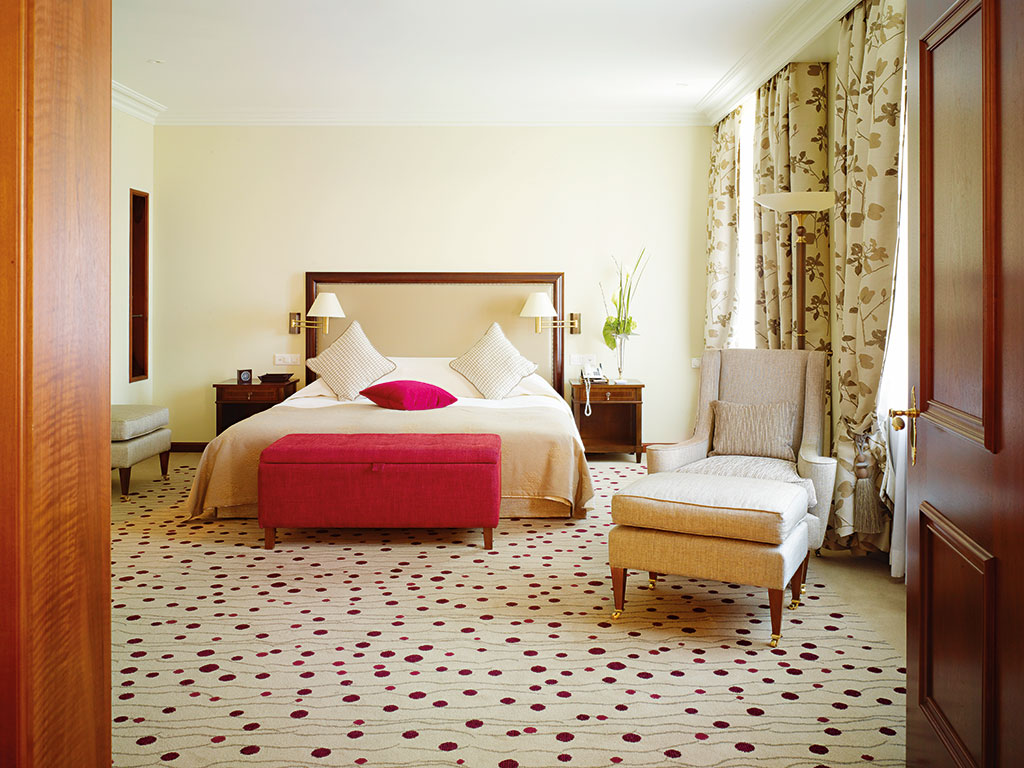
When it was built in 2011, The Royal Senchi Hotel and Resort became the first four-star resort in Ghana. Located in what was once the Kingdom of Akwamu, a region brimming with hundreds of years of fascinating history, the hotel is situated on the western bank of the Volta River, close to the east African region’s southern coast.

The hotel offers luxury hospitality at an optimum distance from the bustle of Ghana’s busiest cities, with a location that is remote and peaceful but still within easy commuting distance of the country’s main business hubs. Royal Senchi aims to offer accommodation that merges with the relaxed, natural environment in which it is situated, with architecture, colours and furnishings that all lend to the authentic look and feel of a luxury Ghanaian resort. Unique and fascinating features such as these have seen the hotel named as the Best Luxury Hotel, Ghana in the 2015 Business Destinations Travel Awards.

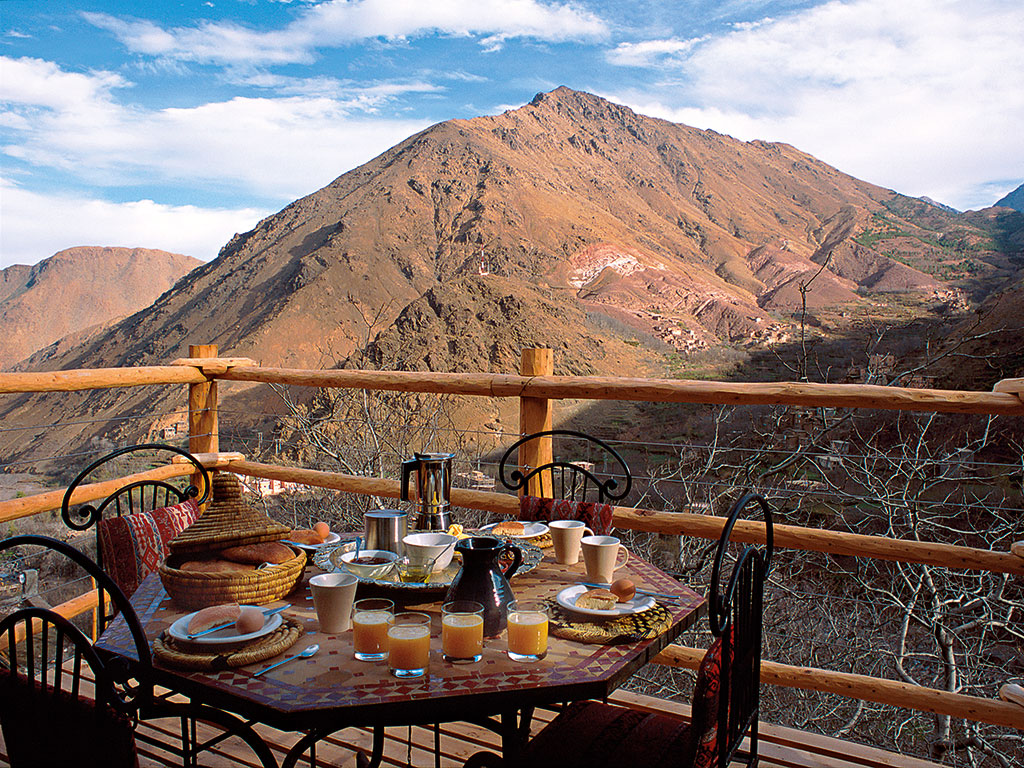
Royal Senchi invites its guests to embark upon a unique journey during their stay: the hotel’s stunning backdrop, which includes remarkable views of the neighbouring river and lake, river beaches and rolling green scenery, allows guests to escape to a destination where natural beauty, historical wonder and the promise of adventure all create a unique and memorable stay.

The hotel is remote and peaceful, but still within easy commuting distance of the country’s main business hubs

Industry experience
The four-star resort offers 84 luxurious rooms and suites that boast spaciousness, tasteful designs and deluxe amenities. Modern comforts and technologies including Wi-Fi, LED satellite TV and a complimentary mini bar are available in every room at The Royal Senchi. In addition, each guestroom features either a balcony or a terrace with a view of the river, and guests arriving at the hotel are warmly welcomed with a personalised check-in service, welcome fruits and drinks and a complimentary champagne breakfast. The hotel prides itself on its ability to offer the perfect setting for all events, from special occasions, honeymoons and anniversaries to short business trips and family holidays.

General Manager of the hotel, Roman Krabel, told Business Destinations, “The hotel has a very majestic feel to it – it’s indulgent. We offer a variety of fabulous complimentary amenities, including a free mini bar, free use of kayaks and pedalos, brand new in-room media systems, Wi-Fi, in-room espresso machines and much more. But the greatest service we offer is an important luxury in the hospitality field: we work to provide that home-away-from-home feeling so that when guests stay in the hotel, they are as comfortable as they are when they’re in their own homes.”

Krabel, originally from Germany, has been working in the hospitality industry for over 20 years. During that time he gained experience in hotels all over the world, before relocating to Ghana three years ago. His personal preference for smaller, more intimate hotels instinctively led him to the unique and naturally stunning Royal Senchi Hotel. He described the resort as “a large hotel with a boutique feel – it has 84 bedrooms and is one of the largest independent hotels in the Eastern Region of Ghana”. Krabel pinned the hotel’s overwhelming success and popularity – both in the local area and abroad – down to its remarkable ambiance, architecture and service.

“It’s a hidden gem”, Krabel said. “The Royal Senchi has continued to raise its standards over the last few months, and we will continue to develop the property as the years go by. However, we have retained the culture and the exceptional service, and everything else that makes The Royal Senchi truly special. Many hotels lose the old-school attention to detail, whereas my management style is to focus on luxury service standards. I like good old inn-keeping quality standards.”

Valued guests
The Royal Senchi Hotel has three exquisite dining areas for hotel guests to enjoy, including its flagship restaurant, The Senchi Restaurant, which serves an à la carte menu for breakfast, lunch and dinner. The restaurant, which offers a selection of international and Ghanaian dishes, prides itself on using locally sourced ingredients in its dishes. Guests can enjoy the scenic riverside view as they eat lunch, or take in the fairy tale sight of the hotel’s illuminated pool at dinner. For later in the evening, the hotel’s Palm Lounge offers a more exciting atmosphere for enjoying a drink or socialising with friends and colleagues. The bar’s traditional Ghanaian décor and wide selection of cocktails attract business and leisure guests throughout the week.

For guests visiting the resort on business, The Royal Senchi Hotel offers an extensive range of facilities and services to assist with any event: the ballroom is capable of hosting up to 200 guests, and an attractive outdoor space is also available to make any function complete. Presentation equipment, including overhead projectors and screens, is also available.

Krabel said, “We operate a hotel property as if it is family run within our team – that is what makes The Royal Senchi Hotel unique, and sets it apart from other hotels in Ghana.” Krabel’s focus on building and maintaining a strong reputation is a major driver behind the hotel’s overwhelming success over the past few years. He continued, “A hotel that is prestigious like The Royal Senchi, and has a unique aspect, is different from the traditional, contemporary hotels that have come on board recently. Similarly, the hotels that have been around for a long time already have an audience – but it’s important that you maintain consistency in standard. You must allow the tradition to continue throughout the hotel’s history, but also move forward on service levels and products.”

Success in Ghana’s blossoming hospitality industry is centred on constantly anticipating the needs of future guests, and striving to satisfy them. The Royal Senchi’s luxury amenities and services, including its outdoor swimming pool, expansive fitness centre, spa and salon, ensure that guests from every background, and visiting for any purpose, feel relaxed and entirely satisfied as a result of their stay.

“The biggest driver for me has always been lust for adventure and challenge”, said Krabel. “There is no greater way for one to learn than to throw [oneself] into new situations, with new cultures, people and tasks. This is why I decided to commence on a career in the hospitality business. In hospitality you meet new people and face new, exciting situations on a daily basis. You can be sure there is always something to learn, and adventures to challenge yourself with.”

For further information contact reservations@theroyalsenchi.com

Burj Rafal Hotel Kempinski: the perfect Saudi getaway

In March 2014 Kempinski Hotels, one of Europe’s most reputable luxury hospitality chains, opened its first property in Riyadh. Located a mere 27km away from Saudi Arabia’s King Khalid International Airport, Burj Rafal Hotel Kempinski enjoys an exquisite location in the heart of the capital.

Situated in the tallest residential tower in the city, Burj Rafal Hotel Kempinski offers its guest stunning views of Riyadh’s new commercial and business quarter, the King Abdullah Financial District, and the glittering capital city that stretches far beyond. Defined by its impressive height and unmatched elegance, Burj Rafal Hotel Kempinski invites guests to savour the European luxury and warm Arabian hospitality that it has to offer.

Burj Rafal Hotel Kempinski has been carefully designed to include artistic touches of the Saudi culture

A bridge between continents
Burj Rafal Hotel Kempinski can be found in Riyadh’s shimmering Rafal Tower, where 349 guestrooms and luxurious suites are spread out across 23 of the tower’s floors. Each room is perfectly suited to stays of any length or purpose, from one-night business trips and weekend getaways to weeklong vacations. At each and every check-in, an unparalleled sense of luxury and refinement is waiting to greet the modern traveller: the hotel’s furnishings have been carefully designed to include artistic touches of the Saudi culture, mainly inspired by the Najdi scene. These subtle nods towards the hotel’s heritage run throughout Burj Rafal Hotel Kempinski, from its refined interior to the stunning panoramic views of the city.

The hotel’s superior luxury is complemented by the impeccable customer service and unique features that the Kempinski brand is known for worldwide. By combining these two ideals, Burj Rafal Hotel Kempinski is able to offer a plethora of services that make it the ultimate choice for any business traveller arriving in Saudi Arabia. Special packages for corporate stays are offered throughout the year, with a unique selection of rooms that allow guests to experience both efficiency and indulgence throughout the duration of their trip.

Burj Rafal Hotel Kempinski’s corporate packages include airport pick-up and drop-off services, complimentary laundry services and flexible check-in and checkout times. The hotel also promises complete relaxation to its guests by offering complimentary express face and scalp massages in its renowned European spa area, Resense Spa. This immaculate centre is situated on the sixth floor of the hotel and leads directly onto the outdoor pool and tennis and squash courts.

Meeting solutions
Burj Rafal Hotel Kempinski offers a wide variety of catering and dining options, guaranteeing that any meeting or event runs smoothly: the hotel’s spacious banquet and ballroom hall, Rafal Ballroom, can cater for up to 2,000 guests and is designed to accommodate events of any size or nature. Over the last year the hall has already hosted everything from exhibitions and multimedia conferences to formal banquets and royal wedding ceremonies. Flexible wall dividers can be installed, allowing the venue to be separated into areas of appropriate size and privacy.

The Rafal Ballroom is widely considered to be the epitome of grandeur, with a stylish and charming entrance hall that leads through to the most luxurious ballroom in Riyadh. Beautifully woven carpets span the room, which is adorned with intricate chandeliers and stunning marble fixtures. Adjacent to Rafal Ballroom, the hotel’s beautiful bridal suite offers private chambers for bridal parties. There is also an exclusive VIP lounge for men, known as majlis, and a picturesque terrace area.

The hotel’s fourth and fifth floors offer a collective total of 19 meeting rooms, the largest of which can accommodate up to 80 persons. Each meeting room is equipped with state-of-the-art audio-visual equipment, LED screens, videoconferencing facilities and remote climate control settings. Additionally, the Burj Rafal Hotel Kempinski staff team is happy to supply further services and equipment on request, including secretarial assistance, photocopying, flip charts and translation and interpretation services.

Bold flavours
For those guests looking to enjoy the ultimate culinary experience during their stay in Riyadh, the hotel offers a selection of cuisines provided by world-class chefs, all producing premium dishes at the highest possible culinary and service standards. Set among the beautiful white pillars of the hotel’s lobby is Le Bijou, a spacious, French-concept lounge that serves classic dishes with an innovative twist. Le Bijou’s menu includes an assortment of viennoiseries and other pastries, along with a selection of snacks, hot dishes and beverages. The lounge extends its graceful French charm to the ground level terrace, where guests can enjoy drinks and refreshments in a relaxed ambience.

El Capitolio is the hotel’s exclusive cigar lounge, which offers a refined atmosphere that is perfect for evening relaxation. Located on the fourth floor of the hotel, El Capitolio is known for its aromatic Syphon coffee and creative blends of mocktails, along with its wide selection of premium cigars from around the world.

Burj Rafal Hotel Kempinski named its luxury buffet restaurant, The Grand, after the venue’s own beautiful spaciousness. It is the daily destination for guests who are looking to sample some of the finest cuisines that Europe and the Middle East have to offer, serving colourful dishes every day for breakfast, lunch and dinner. Every Friday The Grand hosts a unique weekend brunch, where market stalls offering fresh produce are set up throughout the restaurant and guests are able to watch and interact with a series of live cooking stations.

Tugra, the hotel’s signature restaurant, embraces the ideals and unique flourishes of the royal Ottoman Empire. Attracting guests who have bold tastes and a sense of adventure, Tugra offers a fine dining journey that is evocative of the lifestyle and palates of the Ottoman sultans. The restaurant’s extensive menu includes a range of vegetarian and non-vegetarian dishes from traditional origins, some of which date back to the 14th century. Tugra’s head chef lovingly places his own modern twist on the menu, which includes dishes of his own design, to ensure that guests from around the world can find something to enjoy.

Burj Rafal Hotel Kempinski seamlessly combines the charm and flair of European hospitality with the warmth and the customs of the Middle East, creating a hotel experience that is like no other within Riyadh or beyond. Mirroring the building in which it is situated, the hotel continually strives to reach new heights of hospitality excellence: by merging heritage with originality, it has brought forth a distinctive experience for business and leisure travellers alike.

For further information contact burjrafal.hotel@kempinski.com

BrewDog: the beer company that’s going from strength to strength

“We’ll be throwing one helluva party.” So said BrewDog’s Co-Founder James Watt, speaking on the Scottish brewer’s customarily audacious attempts to broach the US market. Here, in a blog post titled Columbus calling, the hipster brewery expanded on its plans to build a North American home-away-from-home in Ohio, following a rollercoaster few years in which BrewDog has embraced a barrel-load of controversy and established itself as the UK’s leading craft brewery.

BrewDog’s rise to the top is an impressive one, as much for its methods as it is for its speed, and the brewer has provided no shortage of talking points along the way. Recognised ahead of the company’s leadership is its appetite for controversy, for which BrewDog is renowned not just in its native land, but also internationally. Aggressive and innovative in equal measure, the brewer’s antics feed into its anti-establishment image, which sees it routinely poking fun at the industry bigwigs.

The firm is renowned for its appetite for controversy – not just in its native land, but internationally

Controversy upon controversy
In 2013, the Scottish Advertising Standards Authority (ASA) took issue with the company’s online statement that it was a “post-punk apocalyptic motherf**ker of a brand”. The complaint was something of a precursor to BrewDog’s fractured relations with regulators, where often its go-to response was – and still is – something akin to “those ASA mother f**kers have no jurisdiction over us”. This refusal to take the authorities seriously stems back to its beginnings, particularly when in 2008 Watt and his Co-Founder Martin Dickie bent the truth in order to secure a loan. In doing so, BrewDog fulfilled outstanding Tesco orders and made good on a missed £20,000 payment.

In the years since, BrewDog has taken to brewing the strongest beer in the world (at a dizzying 32 percent), serving up Olympic-inspired beers (labelled Never Mind the Anabolics) and projecting naked images of its two founders onto the Houses of Parliament. More recently still, the boisterous brewer upset another industry body for once again breaching advertising standards: the Portman Group, whose job it is to regulate the British alcohol trade, ruled that labels on BrewDog’s Dead Pony Club bottles encouraged anti-social behaviour and rapid drinking – though the sentiment was not one shared by the accused, who subsequently apologised for “never giving a sh*t about anything the Portman Group has to say, and treating all of its statements with callous indifference and nonchalance”.

However, although stories like these are a big part of why BrewDog is so widely known, it’s the brand’s approach to funding – specifically crowdfunding – that has proven most effective in paving its path across the Atlantic.

Crowdfunding, crowd-pleasing
“Our international expansion plans have always been ambitious, but our intentions stateside are probably up there with some of the most ambitious, bombastic, exciting ventures we’ve ever embarked upon”, Watt said of the move. “America has one of the world’s most eclectic, energetic beer scenes imaginable, and we’re psyched to be pledging allegiance to the craft beer revolution in the USA. Planet BrewDog just gained a continent.”

Of the overall sum required to build an American headquarters, a great deal has come by way of BrewDog’s Equity for Punks programme; now in its fourth iteration. In only the first three weeks of the fundraising round, which began in May, the brewer managed to raise a record-breaking £5m – and celebrated by parachuting taxidermy ‘fat cats’ over London. Though unconventional, in that the approach shuns traditional forms of corporate finance in favour of the general public, the approach has proven successful so far – so much so in fact that the brewer is soon to set up shop overseas.

Speaking on the expansion and on the company’s successes so far, Watt said, “The BrewDog ethos will always remain the same, and our mission will still be to make other people as passionate about great craft beer as we are. We might start saying ‘y’all’ a bit more often, though.”

Looking at BrewDog’s ability to both bring consumers on board and crack the hyper competitive craft beer industry, it would appear that the company is well positioned to make good on a thriving US market – though not without incident. “The American craft beer scene is at least a decade ahead of the UK’s, and it’s a totally different beast”, according to Watt. “Our biggest opportunity is to be involved with one of the most eclectic, exciting and progressive beer industries in the world. We have taken a lot of influence from American craft beer since we started brewing, and now we’ll be able to fully immerse ourselves in that world. In terms of challenges, we have a great presence in [the US] having had three seasons of the TV show, Brew Dogs, air on Esquire network, but of course there will be work to be done in spreading word about BrewDog and getting our beer into people’s paws.”

The US market
According to the Brewer’s Association, volumes in the American craft beer market last year were up 18 percent, and its value a further 22 percent, which is especially impressive given that the industry has already been posting remarkable figures for some time now. According to global market research company Mintel, the increased brand competition has given rise to innovation beyond the core basis of yeast, hops, grain and water, citing pumpkin ales as an example. In fact, the intelligence agency’s Global Product Database shows that almost one in four US craft beer retail releases so far this year have been flavoured.

“Consumers’ taste preferences are driving the surge in the US craft beer market as consumers continue to seek more flavourful alternatives to domestic light beer”, says Marc Levit of Demeter Group. “Consumers are increasingly experimental, knowledgeable, and are having good experiences with craft beer and enjoy the discovery aspect of seeking new flavours and brands. The significant expansion of legacy craft breweries and proliferation of new craft breweries is in response to the permanent shift in consumer sentiment.”

A recent mergers and acquisitions drive, which began in 2011 with ABI’s first craft brewer procurement, means that there is also a great deal more growth potential for the market: Mintel’s Global Drinks Analyst Jonny Forsyth draws attention to the fact that SABMiller is yet to make a move for any American name. What’s more, according to Levit, competition will continue to increase as existing brewers ramp up production and expand onto other brewers’ ‘local’ territory. “New entrants will try to be even more innovative and disrupt status quo in certain markets”, he said. “More and better beer will be produced, but overall, industry competitiveness will increase and profitability may decrease.”

BrewDog and the US
Future profitability concerns notwithstanding, the market is ripe for the taking for any name that resonates with American consumers – though the question for BrewDog is whether it will connect with the US in much the same way it has done with the UK. “Achieving such significant growth from a base of almost zero will be difficult and unprecedented”, said Levit. “Today’s most popular and heralded brands (not always the same) took significant time and testing before they became both relevant to consumers and large in scale.” True, the brewer has been shipping to its trans-Atlantic cousin for some time now and the demand for the product is undoubtedly there – but there is still a mountain to climb before BrewDog is seen as anything close to a major American force.

“I think the fact that they are not American will be both an opportunity and a challenge for BrewDog”, said Forsyth. “For example, Mintel research shows that 44 percent of the key demographic of 25-34-year-old American beer drinkers think that craft beer only comes from the US. This reflects how the US is a world leader of craft beer, with brands in other countries – including BrewDog – being followers of what American craft beer trendsetters are doing, rather than pioneers (although this is now changing).” He continued, “Premium imported beers are doing very well in the US and I think BrewDog’s aggressive irreverence will play well with US craft beer drinkers. It will prove divisive, which is exactly what a small brand needs in the ultra-competitive US craft beer market. In fact, given the hyper brand competitiveness (there are almost 3,500 microbrewers and brewpubs in the US), it will do well precisely by standing out clearly against the rest.”

For the time being, BrewDog’s future is but a guessing game, though by playing to its strengths and staying true to this ‘aggressive irreverence’, the brewer could well find a place – and a profitable one at that – in the US market. “Thirst for our beer across the pond is so huge now that we can launch a brewery and know there will be plenty of eager craft beer fans ready and waiting to try our beer freshly brewed on the ground in America”, said Watt. One thing is for sure: the company is confident about its chances.

How Luanda became the most expensive place for expats to live

When one considers where in the world rich, Western expatriates must face the most exorbitant living costs, the mind wanders east. The automatic assumption is a picture of wealthy bankers living in Hong Kong’s Happy Valley or Discovery Bay, or senior management figures driving 4x4s around Dubai and frequenting glitzy shopping malls. No doubt the cost of living for expats in these locations is expensive, but studies have shown that the most expensive place for expats to live is actually Luanda; the capital of Angola and the former Portuguese colony located on the Atlantic coast of Central Africa.

On Expat Blog, there is a forum dedicated to expats who are living in or considering moving to Luanda. There, one post asked how much money would be suitable when accepting a job offer in the city, to which the first response was “a lot”, unless you want to “lose your shirt here”. For years, Luanda has topped the Mercer Consultancy Group’s rankings for the most expensive city to live in for expats, a list that is produced annually and features many other African cities high in the rankings: the Chadian capital, N’Djamena, was number 10 this year, although in 2014 it came in at second. Victoria, the capital of the Seychelles, came in at 17, while Libreville, Gabon, stood at the 30th-most expensive. Cities in relatively wealthy sections of Africa – often with larger clusters of expats – generally were found lower on the list. For instance, South Africa’s Cape Town, a renowned hub for expats, featured way down the list at 200.

The Chinese alone purchase nearly two million barrels of oil a day from Angola

The rankings, of course, try to isolate costs for expats, not the cost of living for local and native residents of the city. The ranking features 214 cities globally, measuring the comparative cost of more than 200 items in each city, such as food, transport, household goods, entertainment, housing and clothing, using New York City as a base comparison.

The weight of legacy
Luanda, a city of five million people, was founded by a group of Portuguese soldiers and their families in 1575, who originally named it São Paulo de Loanda on the Ilha de Cabo. By 1605 it had become a city, and by the 17th century it had transformed into a thriving trading hub. It later became the launching pad for Portuguese colonialists who led raids inland to capture slaves, as well as a bust for the export of slaves to Brazil. The central role of Luanda in transatlantic trade led it to becoming known as the Paris of Africa.

In the 20th century, as the rest of Africa’s European colonisers gradually left and ceded home rule to Africans, the Portuguese persisted, leading to national liberation groups taking up arms against colonial rule. During the era of Portuguese rule, Luanda was a city closed to most African Angolans. After Portugal’s Carnation Revolution in 1974, the new rulers of the country disengaged from the country – as the Portuguese colonial settlers left the city, it began to fall into disrepair due to a lack of skilled workers in the city. This was soon exacerbated by Angola’s brutal 26-year-long civil war, which began in 1975 as a result of tensions between the communist-leaning MPLA and anti-communist UNITA group. The war saw the city fall further into disorder, although intervention by Cuban forces saw some skilled engineers and workers make a few vital repairs to the fledging capital. Refugees from across the country also flocked to the city during the war from areas of more intense fighting, leading to the proliferation of large slums and shantytowns around the city.

The civil war, which was to result in the death of around half a million soldiers and civilians, ended in 2002, with the MPLA emerging victorious. However, with the Cold War long over, the victorious group dropped its communist pretensions and began to look outward to foreign investment that would secure much-needed development. The long-time leader of the MPLA and President of Angola since 1979, José Eduardo dos Santos, courted international oil companies to drill and develop the country’s large oil deposits.

Battlefield to oilfield
Angola’s attempts at a revival through the development of oil, in partnership with a series of international firms, seem to be working. At present, the country is the 14th largest oil producer on the planet, pumping out 2.31 percent of the world’s total oil production. Today, the Chinese alone purchase nearly two million barrels a day from the country. Considering that, according to the US Energy Information Administration, Angola produced only 1.8 million barrels a day in 2012, suggesting a steady increase in production and capacity. Comparing favourably with Nigeria, Africa’s largest oil producer (which produces approximately 2.5 million barrels a day), Angola is among the top producers on the continent.

This history of civil war, followed by the boom in oil production, explains why Luanda is not just the capital of Angola, but also the costliest city for expats. The civil war led to widespread destruction, with infrastructure across the country either actively destroyed or simply left to fall apart. Roads, railways, and water supply facilities – already lacking due to Portuguese underdevelopment – were left devastated. As young men were continuously drafted into the opposing groups, much of the country’s productive capacity was left underutilised and underdeveloped, along with, once again, the active destruction of productive assets by military operations; be it farm land, equipment or factories. One of the worst features of the civil war was the widespread use of landmines, with millions being laid across the country. Many of these mines still remain buried in the countryside, meaning that a vast amount of otherwise fertile land is too dangerous to be considered for farming. As a result, Angola now imports 80 percent of consumer goods.

The climb to the top
The oil boom has attracted a range of senior managers in the oil industry, as well as engineers and geologists from the world’s largest oil firms; all handsomely paid and demanding all manner of articles, from simple home comforts to luxury items. While most Angolans cannot afford to purchase imported goods, this growing – and increasingly wealthy – expat community has created a market for importing such goods, being able to pay the incredibly steep prices.

The country’s poor infrastructure and lack of capacity for domestic production makes the importation of goods incredibly expensive – for instance, a bottle of Coca-Cola is purported to cost around $10, while a bottle of Crystal champagne can cost $1,200. Likewise, renting a house can set an expats back $10,000 a month – prices you would expect to see in New York or London – while a kilo of tomatoes can cost nearly $20 to import. For every good purchased, the cost of importation must be factored in, resulting in some eyebrow-raising prices for everything, from the mundane to the extravagant.

With a large amount of Angolans living on less than $2 a day, rich expats forking out $10 for a single bottle of Coca-Cola points to great levels of wealth disparity. The only hope is that the proceeds Angola receives from its oil boom – and its side effect of rich Westerners importing exorbitantly priced goods – are able to provide the funds that the country requires to rebuild its damaged infrastructure and production capacity.