Top 5 most sustainable hotels in the world

These days, many people looking to stay at a hotel will not only ensure that the accommodation is up to scratch, but also check that the company is well rated in terms of eco-friendliness. For some, leaving as small a carbon footprint as possible is paramount as they plan their holidays, and hotels are both remodelling themselves and being built from scratch in order to accommodate this.

Whitepod Eco-luxury Resort, Switzerland
The Whitepod resort in Switzerland boasts luxury accommodation that has the added bonus of being environmentally friendly. The pods themselves are made from a self-supporting framework, which minimises the use of construction materials, and each pod is heated using a wood stove (run on locally sourced wood, of course). The LED bulbs that light the campus are used sparingly so that the electricity consumption is kept to a minimum. Water conservation is also an important aspect of how the resort stays eco-friendly, with local spring water, water-saving devices on taps, and showers and timers on boilers.

Jean-Michael Cousteau Resort, Fiji
Any hotel with its name attached to the famous conservationist Jean-Michael Cousteau is sure to hold conservationist values close. Indeed, the resort has several measures in place to both reduce its impact on the local environment and to educate its visitors of the importance of looking after nature.

The resort has low-energy light bulbs and all the wood comes from certified local forests. Furthermore, the hotel has an onsite farm, growing produce such as coconuts, pineapples and mangoes, and which uses only sustainable agricultural practices. As well as this, the hotel offers educational tours to its younger visitors that teach them about environmentalism.

Palace Resorts
Palace Resorts, which offers all-inclusive Caribbean vacation packages in a number of destinations, has recently started a green foundation in Mexico. A dedicated committee there will promote initiatives in order to develop the welfare of Mexico and its natural resources. The endeavour will ensure that 124 tons of paper and plastic are recycled each year, which will save more than 2,000 trees. Palace Resorts has also helped to safeguard native leatherback and loggerhead sea turtles in the areas of Cancun and Riviera Maya.

Urnatur Resort, Sweden
The Urnatur Resort is the ultimate eco-destination. Comprising of handcrafted huts nestled in the woods, it promotes living in harmony with nature. Everything that can be found on the campus is made from locally sourced material and traditional techniques. There is no electricity on the site, and the area is lit using lanterns, making the carbon emissions of this resort almost zero.

The Brando, French Polynesia
The Brando Resort is situated on the private island of Tetiaroa and is close to being a self-sustainable and carbon-neutral hotel. This resort is also LEED platinum certified and a member of the National Geographic unique lodges of the world. All the energy it uses is renewable, being produced either through solar power or by a biofuel power station powered by coconut oil. The seawater air conditioning system harnesses the cool water found deep in the sea and pipes it to the land for use. Any rainwater that collects on the roofs of the villas is collected to supply toilets and the laundry service. Guests are also encouraged to take one of the courses on offer that teach about subjects such as eco technology, Polynesian culture, animal life and coral reefs.
Madrid guide

Without a doubt, Madrid ranks among the most charming capital cities in the world for business and leisure travellers alike. The city’s lively and cosmopolitan allure shows no signs of waning in the immediate future – quite the opposite, in fact.

Visitor numbers to the Spanish capital have fared relatively well in what has been a challenging period for many of its European neighbours. With 743 hotels to its name and no shortage of sun, shops or cultural attractions to sample, Madrid’s status as an emerging business and travel hub sets it apart from the pack.

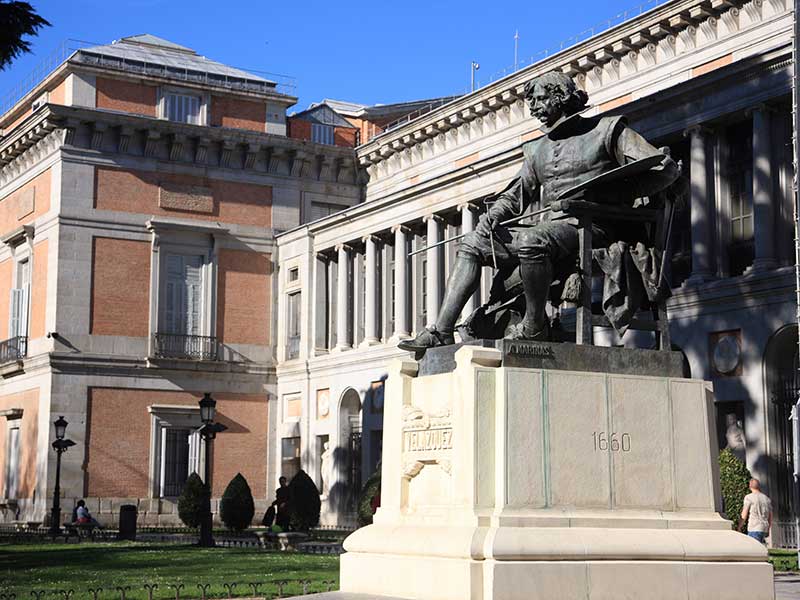
Madrid is home to Spain’s national art museum, Museo Del Prado

When to go:

In terms of weather, Madrid is a city of extremes. In the summer it boasts lofty temperatures of up to 30C, and in the winter temperatures drop below freezing, especially at night. Spring and autumn, therefore, are the best times to visit the city if you prefer the days to be warm and the nights cool.

Transport:

The city’s central location means there are plenty of transport options for visitors. Madrid’s commercial airport, Adolfo Suárez-Madrid Barajas airport, is well connected to the downtown area, and access by road or rail is an uncomplicated affair. The capital’s metro and bus systems are also quick and easy to wrap your head around, and, of course, taxis are always an option.

Madrid vital statistics:

743

Hotels

18,640

Restaurants, bars and cafes

87

Art galleries

71

Museums

2,700

Hours of sunshine per year

No. 1

destination for MICE tourism in Spain

2nd

safest capital in Europe

Source: Madrid Convention Bureau. 2017 figures

Leisure in Madrid

While steeped in history and tradition, Madrid is a very modern city, and its cosmopolitan sensibilities have created a cocktail of international flair and traditional charm.

What to see:

The city’s main contemporary art and design centre, Matadero Madrid, was once a slaughterhouse. As such, the venue’s eerie setting and eccentric interior make for quite the experience. Madrid is also home to Spain’s national art museum, Museo Del Prado, which holds over 10,000 works of art. On the more traditional side, the Royal Palace is the largest palace in Western Europe, and its museum houses furniture, tapestries, paintings and ceramics by some of the country’s best-loved artists.

Madrid’s many squares are also home to some of the city’s most notable sites. The Plaza de Cibeles is home to the Bank of Spain, while the Plaza de la Villa is home to the 15th century Torre de Lujanes, 16th century Casa de Cisneros and 17th century Casa de la Villa.

What to eat:

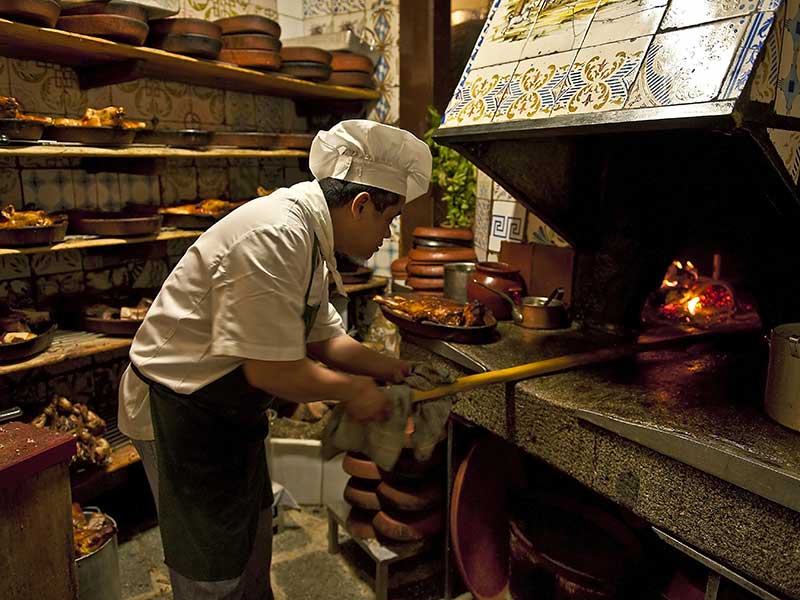
Restaurants in Madrid range from the hyper traditional to the downright futuristic, and there are few, if any, tastes that are not catered for. Madrid’s speciality chickpea-based meat stew, cocido madrileño, can be found in all of the capital’s traditional restaurants, while the super-stylish Metro Bistro offers cutting-edge cuisine in an intimate setting, and is fast becoming a favourite among locals and visitors alike. Botin, meanwhile, has a history dating back as far as 1725, and has officially been named the oldest restaurant in the world.

Madrid is home to a fantastic array of markets, offering a delightful fusion of traditional and modern dishes made with fresh, local ingredients

Punto MX is another standout choice: its head chef, Roberto Ruiz, is the only chef in Europe to have been awarded a Michelin star for his work in a Mexican restaurant.

Madrid is also home to a fantastic array of markets, offering a delightful fusion of traditional and modern dishes made with fresh, local ingredients. Whether meeting for a coffee or sampling the local produce, San Miguel Market, San Antón Market and San Ildefonso Market all offer the perfect setting to indulge in the Madrilenian atmosphere.

Where to stay:

Madrid is by no means light on luxury, and there’s certainly no shortage of hotels to choose from. The Hotel Ritz offers an unparalleled luxury experience, and its proximity to the city’s museums make it an ideal choice for art lovers.

Hotel Orfila is more of a quiet haven, located away from the hustle and bustle. Dating back to 1882, the establishment has retained many of its original features and oozes extravagance at every turn. However, for those seeking a more contemporary feel during their stay, the Petit Palace Art Gallery and Hotel Urban make for interesting alternatives.

Madrid also boasts a whole range of new hotels, with the Barceló Torre de Madrid and Only You Hotel Atocha providing an exciting new dimension to the capital’s hospitality scene. The VP Plaza de España and the Four Seasons are also expected to add to this complement in 2018.

Madrid’s Botin restaurant is steeped in history, serving traditional dishes since 1725

Business in Madrid

Approximately 15 percent of all tourists in Madrid are visiting for business, with the Spanish capital welcoming more than one million corporate travellers every year. Excellent infrastructure, modern congress facilities, highly specialised services and a bright economic outlook all complement Madrid’s exhaustive range of accommodation.

A convenient gateway between Europe and the Americas, Madrid boasts an extensive selection of meeting locations and conference centres

The city is seventh in the International Congress and Convention Association (ICCA) rankings for association meetings by participant numbers and the sophistication of the conference venues, meaning that it is in an ideal position to move further up the pecking order.

The Madrid Convention Bureau, as negotiator between all companies and organisations linked to the meetings industry, has featured heavily in the city’s emergence as a rising star of the European conventions circuit. As a convenient gateway between Europe and the Americas, Madrid boasts an extensive selection of meeting locations and conference centres, ranging from well-established venues like Palacio Municipal de Congresos, IFEMA and Recinto Ferial Casa de Campo to new, versatile spaces such as the Florida Retiro, Espacio Commodore and Sky Centre.

As far as Madrid’s resident businesses are concerned, the city is host to approximately 90 percent of all companies operating in Spain and ranks third in all of Europe for its number of multinational businesses. The World Tourism Organisation, Telefonica and Repsol all call Madrid home, and the diversity of the businesses is itself evidence of the city’s investment credentials.

Summer sees huge numbers of UK buyers searching for homes abroad

The latest quarterly index figures from OverseasGuidesCompany.com showed that a record 16,821 UK-based overseas property buyers submitted enquiries throughout the summer of 2015 – the highest number received since the Quarterly Index began, and more than a 50 percent increase on enquiries received last summer. Elaine Ferguson, Head of OverseasGuidesCompany.com, takes a look the British love affair with overseas property and what’s happening in the property markets of each of the most popular countries.

At OverseasGuidesCompany.com, we measure interest based on downloads of our individual country buying guides. As usual, Spain and France were the most popular destinations with British property buyers looking overseas, with around two thirds of all downloads made for these two countries. The busiest month for downloads this quarter was August, when almost 7,000 enquiries were received; this also makes August the busiest month of the whole year.

The most popular destination by far this quarter
was Spain

The most popular destination by far this quarter was Spain, which attracted its highest ever share of enquiries (37 percent of the total) – along with France, Portugal and Italy, this Mediterranean hotspot also recorded a solid rise in interest compared to both the previous quarter and the same quarter, when compared year-on-year.

Global economic events provide best environment for British buyers
There are numerous reasons why this has been a bumper summer for British buyers looking to purchase property in Europe. There can be little doubt that the euro’s ongoing weakness so far this year has been one of the biggest factors behind this. The strength of sterling against the single currency has increased the buying power of those Brits looking to purchase overseas, driving further interest from British buyers in key European property markets this summer – especially those who have enjoyed holidays in the region and discovered how far their money will go while over there.

In addition to the weakened euro, the record low European Central Bank (ECB) interest rates and improved access to mortgage have also contributed to this huge interest – especially in countries such as Spain, France, Portugal and Italy, where the property markets are finally stabilising and beginning to improve. The UK Government’s pension reform scheme will also have helped, as many people of pension age will have been able to free cash up from their pension pot to put towards their property purchase.

Most popular destinations with British buyers

Spotlight on Spain
In terms of the actual figures per country, there were 5,377 downloads of the Spain Buying Guide from June to September 2015 – a 98 percent rise year-on-year and a 16 percent increase compared to the previous quarter. This is a reflection of Spain’s continued position as the number one destination for UK tourists, after 29.2 million tourists visited in the first half of 2015.

France still a focus
France received 4,165 enquiries, a 29 percent share overall – this represents a 62 percent increase year-on-year, and a 29 percent increase compared to the previous quarter. Recent reports suggest that property prices in France are still experiencing a downward trend, which provides plenty of opportunity for a bargain purchase.

Popular Portugal
Portugal remained a popular choice with British buyers, with 1,894 enquiries; this was 13 percent of all enquiries – an 83 percent increase year-on-year and a 26 percent increase on the previous quarter. Portugal’s Algarve continues to be one of the most popular buying areas in Europe, helped by the country’s favourable tax system for Non-Habitual Residents (NHR).

The weakened euro also made people more keen on other European countries, such as Italy and Ireland – both of which experienced a significant year-on-year rise in enquiries this summer, of 34 percent and 51 percent respectively. It will certainly be interesting to see how much the ongoing events in Europe continue to affect interest in these countries for the remainder of the year.

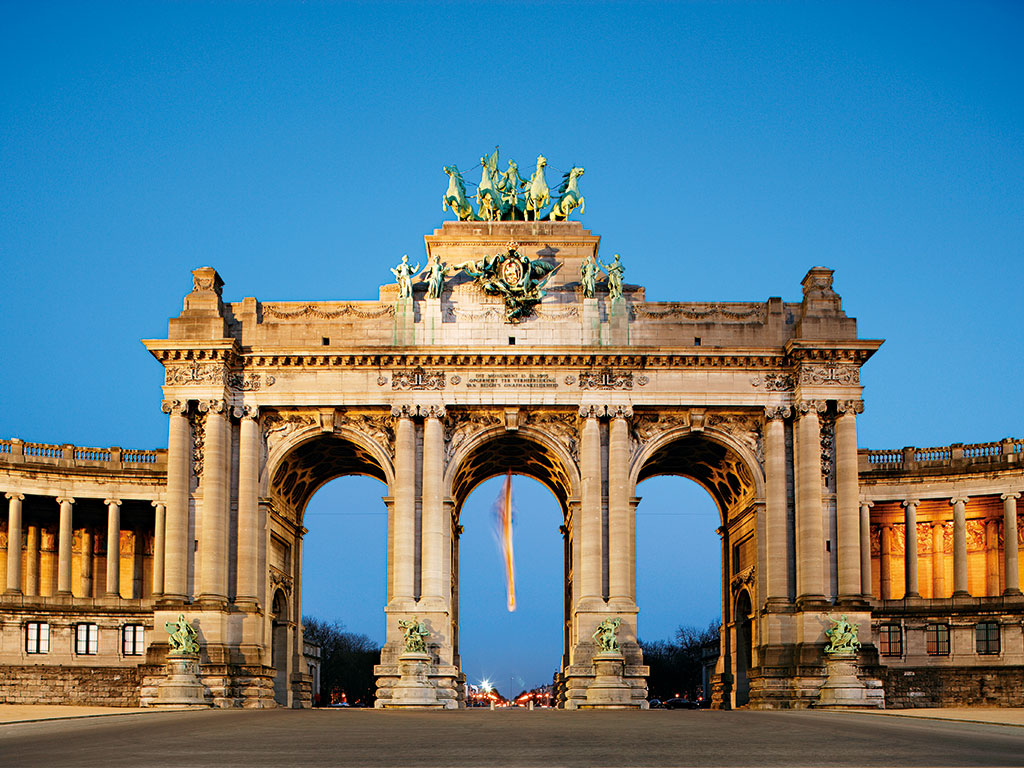
Brussels

Although the European Union itself has no definitive centre, Brussels is widely recognised as its de facto capital. While centres of power are distributed across Europe, the administrative centre is to be found in Brussels, where the parliament sits for part of the year and European Commission permanently resides. All of this makes the Belgian city the heartland of European politics, something that acts as a key selling point to tourists considering a visit.

Political interest
Located a short walk from the city’s main square, the European Parliament has a number of attractions that are open to the public. Immediately outside of the EU’s Willy Brandt building, public festivals and open-air events are often held. Similarly, the EU also operates the European Parlamentarium, the parliament visitor centre, inside which guests can find free exhibitions and walk-through tours detailing the history of the political union and Europe’s often-tempestuous timeline.

While centres of power are distributed across Europe, the administrative centre is to be found in Brussels

Starting with some of the tribulations of the early 20th century, visitors are taught about the initial ideas behind a European union and the subsequent growth that came with the EU’s implementation. The European Coal Community, which comprised just a handful of nations, is one of the first topics to be broached, with interactive displays showing visitors how the committee gradually expanded – both in terms of remit and membership numbers – from the 1970s, eventually resulting in the inclusion of Europe’s post-communist nations in the east.

Flemish culture
The city is also renowned for some of its more light-hearted activities: Belgium is famous for its beer, and so the bars in its capital do not disappoint. One of the most popular locations in the city for experimenting with rare beers and unique flavours is the Delirium Café – tucked into an unassuming side street, the bar has a dizzying array of beers both in bottle and on tap to choose from, ranging from everyday lagers to the bar’s very own 8.5 percent strong Delirium Pale Ale.

Brussels-2

Although it has a long history of settlement, Brussels’ elevation to the capital of Belgium in the 19th century saw many of its historic Flemish buildings razed and replaced with structures that would better suit its new status. There are, however, many historic landmarks to be visited: the central square of the city, known as Grand Place-Grote Markt, is particularly popular, being home to the city tower and a number of other buildings that are more than 300 years old. One of the city’s quirkier attractions is the Mannequin Pis, a statue of a small boy urinating into a fountain. The origin of this statue is much debated, but its unique history makes it a compelling attraction: after being stolen by King Louis XV’s soldiers in 1747, it was later returned by the king with a medal, coercing all French soldiers to salute it as they passed by.

Brussels is also home to a number of art museums. Close to the Place Royale, a collection of museums and galleries makes up the Royal Museums of Fine Arts of Belgium, with the Old Master gallery displaying works from the 15th century and the Musée Fin-de-Siècle Museum housing some of the most famous paintings of the 19th century; a time when Brussels was a capital for European art. One of the standout pieces from this collection of museums – all of which can be visited using a single ticket – is the Musée Magritte, which is named after Rene Magritte; one of the most celebrated surrealist painters of modern times. The exhibition of over 200 works charts his life through the early 20th century, considering contemporary events that took place across Europe, including war and revolution, and their impact on his life and art.

Harpa Concert Hall and Conference Centre

Iceland is the holder of many unique and impressive titles: having once again been voted as the most peaceful country in the world by the Institute for Economics and Peace, the country also had the first democratically elected female president in the world and boasts a literacy rate of 99 percent. Furthermore, the capital city of Reykjavík has for many years proven to be one of the most remarkable MICE cities in Europe.

Reykjavík is currently expanding its meeting infrastructure with the hopes of evolving into a premier location for congress and incentive planners. Located only three hours from mainland Europe and five hours from several of North America’s key business hubs, the city’s small and friendly urban centre makes it an easily navigable place, as well as a destination that welcomes, rather than intimidates, solo travellers. Renowned for its cleanliness and vibrant culture, Reykjavík’s streets are brimming with restaurants, bars and shops where visitors may interact with the affable locals; the majority of whom speak English as their second language.

Harpa has received recognition for its stunning exterior design

Pride of the city
The city’s crowning glory is the award-winning Harpa Concert Hall and Conference Centre. Situated in the centre of the city alongside its picturesque harbour, Harpa offers stunning views of the surrounding mountains and the North Atlantic Ocean. Reykjavík’s compact size means that the conference centre is located within the vicinity of many of the city’s hotels, restaurants, museums and art galleries, while its exceptional transportation infrastructure means that some of Iceland’s stunning natural sites and exhilarating outdoor activities are also within easy reach. Furthermore, Keflavík International Airport is only a 40-minute drive away from the concert hall, and the domestic airport is only five minutes away.

Offering some of the best concert and conference facilities in Northern Europe, Harpa has won an array of national and international awards since it opened in 2011: music magazine Gramophone named Harpa one of the best concert halls of the new millennium, while Travel & Leisure magazine chose the hall as its Best Performance Venue 2011.

In particular, Harpa has received recognition for its stunning exterior design, which was inspired by the crystallised basalt columns that are commonly found throughout Iceland’s natural landscapes. Designed by Olafur Eliasson, Henning Larsen Architects and Batteríð Architects, the exquisite structure won the Mies van der Rohe architecture award in 2013.

Harpa-Concert-Hall-and-Conference-Centre-2

Icelandic experiences
Boasting more than 6,600sq m of conference space, Harpa can accommodate up to 3,500 participants at any one time. The centre’s largest hall alone can host 1,800 people, while all of the multifunctional rooms can be split or combined into unique, personalised arrangements to suit any event. Each room guarantees exceptional acoustics and offers state-of-the-art technology, with soundproof interpreter booths and hi-tech business centres available throughout the venue.

A spacious foyer that overlooks Reykjavík city centre and the idyllic harbour has the capacity to host a variety of exhibitions, while Harpa also has additional facilities that allow for trade shows, product launches, concerts and other cultural events. The centre’s team is highly experienced in hosting a vast range of events to an internationally high standard, with onsite catering services that promise to give guests a true taste of Iceland.

Harpa also offers daily concerts, where diversity is at the forefront of every programme. Numerous music festivals, such as Iceland Airwaves, are held at the centre every year, while Harpa is also the full-time home of the Iceland Symphony Orchestra and the Icelandic Opera.

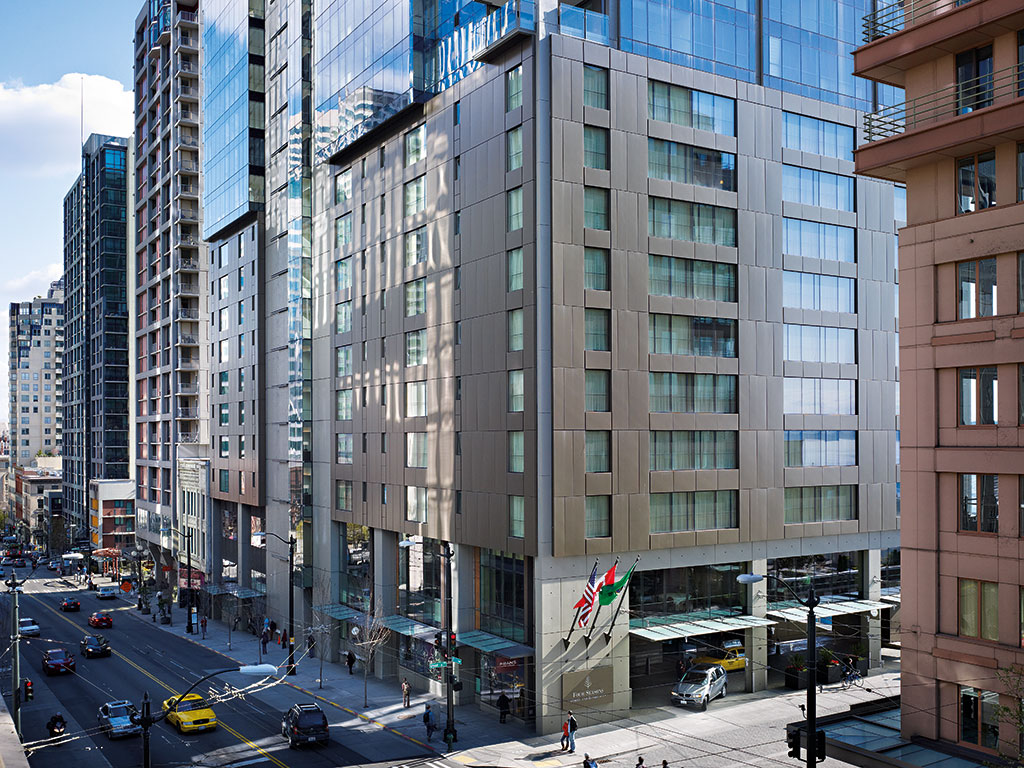
Four Seasons Seattle

As one of the most influential municipalities in the Pacific Northwest, the city of Seattle boasts a unique backdrop of water, mountains and forests, as well as the largest population in the state of Washington. Set against the stunning scenery of Elliott Bay in Puget Sound, the city’s constantly evolving skyline has helped it to forge an identity that capitalises on the connection between natural and urban attractions.

Citywide exploring
The transportation network through Seattle’s eclectic collection of neighbourhoods makes it easy to get to know the city’s unique appeal and convivial atmosphere. Visitors are able to hop on a water taxi in downtown Seattle and take a quick ride to Alki Beach, where they may enjoy stunning views of the surrounding islands and the rustic charm of the region as a whole. In the shadow of the iconic Space Needle building, visitors can revel at the imaginative architecture of Frank Gehry at the Experience Music Project Museum, which showcases rare artefacts from the history of pop music, and the breathtaking glass artwork of Dale Chihuly at Chihuly Garden and Glass. Outside, guests can find the spectacular International Fountain, which captivates audiences day and night with water shows synchronised to music.

The city of Seattle boasts a unique backdrop of water, mountains and forests

The Ballard neighbourhood, home to one of the city’s most up-and-coming food scenes, is just 20 minutes from downtown Seattle. With a selection of culinary offerings ranging from bars and eateries to craft breweries and music venues, Ballard guarantees to satisfy any appetite. After a drink with friends or colleagues, visitors can explore the Hiram M Chittenden locks before catching the sunset at Golden Gardens Park.

Seattle gives guests the opportunity to appreciate not only the beauty of the Pacific Ocean, but also what lies deep beneath its waves: the Seattle Aquarium, situated on the waterfront in Puget Sound, gives guests a close-up look at the marine life to be found in the bay through its underwater viewing dome. Visitors can witness a variety of sea life, including harbour seals and Pacific spiny lumpsuckers, first hand.

Four-Seasons-Seattle

For all seasons
Pike Place Market is one of the city’s must-visit areas, being the oldest farmers market in the US and the site of the very first Starbucks coffee shop. Visitors can tour the market’s historic streets before paying a visit to some of the city’s most exciting museums: the Seattle Art Museum hosts a huge and diverse collection of Native American and modern Pacific Northwest art, incorporating an outdoor sculpture park and a separate museum devoted entirely to Asian art.

For spectacular views of the city, tourists shouldn’t head straight for the Space Needle: for a slightly more unusual view, the Sky View Observatory in Pioneer Square – one of the city’s original neighbourhoods – is the highest observation point on the west coast, standing at 902 metres. The 360-degree panoramic view takes in Mount Rainier, Bellevue, the Cascade Mountains, Mount Baker, Elliott Bay and the Olympic Mountains, along with the Space Needle itself and the entirety of Seattle’s stunning skyline.

Four Seasons Hotel Seattle offers a ‘resort in the city’ vibe. As the only Forbes Travel Guide five-star hotel in the state, Four Seasons guarantees the finest service paired with spacious accommodation, contemporary décor and exclusive facilities, including an outdoor infinity pool. The hotel’s welcoming Goldfinch Tavern offers Pacific Northwest cuisine, while The Spa provides an array of relaxing treatments. Just steps away from Seattle Art Museum, the Seattle Great Wheel and Pike Place Market – where guests can request exclusive tours from the Four Seasons’ own chefs – the hotel’s central location has earned it a name as one of the city’s top resting points.

Uganda

Uganda’s welcoming people and stunning natural heritage have charmed people from all over the world for centuries. In 150 AD, the Greek philosopher and geographer, Claudius Ptolemy, spoke of the ‘mountains of the moon’ – the snow-capped Rwenzori Mountains, which span 75 miles along the country’s border with the Democratic Republic of the Congo (DRC).

As they were then, these equator-hugging mountains – Africa’s highest mountain range – are still a marvel for explorers and hikers today. Along with Mount Kilimanjaro and Mount Kenya, the highest mountains in the range are the only peaks in Equatorial Africa to boast snow and glaciers all year round.

Unspoiled by mass tourism, Uganda offers an authentic safari experience amid stunning scenery

Going upriver
It was Winston Churchill who immortalised Uganda as ‘the pearl of Africa’. When he travelled to Africa in 1907, then a young member of parliament, the country was a paradise that left a permanent mark on him: “The kingdom of Uganda is a fairy tale”, he wrote in his 1908 book, My African Journey. “You climb up… and at the end there is a wonderful, new world. The scenery is different, the vegetation is different, the climate is different, and, most of all, the people are different from anything elsewhere to be seen in the whole range of Africa. For magnificence, for variety of form and colour, for profusion of brilliant life… Uganda is truly the pearl of Africa.”

Lonely Planet named Uganda as the best country to visit in 2011 and 2012; National Geographic deemed it one of the best travel destinations in the world in 2013; and CNN named it a must-see destination in 2014. Unspoiled by mass tourism, Uganda offers an authentic safari experience where 1,057 varieties of bird – 11 percent of the world’s total species – can be observed amid stunning scenery and the convenience of modern amenities. The country is also home to the source of the Nile River, one of the Seven Natural Wonders of Africa and the longest river in the world. Visitors can go white-water rafting, river surfing, bungee jumping, fishing or take a sunset cruise on these waters, or visit the town of Jinja – the adventure capital of East Africa – on its banks.

Once in a lifetime
Mount Elgon, an extinct volcano, is one of the highest points in the country, providing yet more opportunities for climbers and hikers visiting Uganda. As a contrast to the snowy Rwenzori Mountains in the west, Elgon in the east welcomes adventurers with the cool waters of the world’s largest caldera.

Between these two sites lie great savannah plains, which are home to a total of 11 national parks: Kidepo Valley National Park was voted the third best national park in Africa by CNN in 2013, while the Murchison Falls, Queen Elizabeth, Bwindi and Mgahinga National Parks are all held in particularly high regard on the global travel agenda.

However, one of Uganda’s finest offerings is undoubtedly its gorilla tracking expeditions: the country is home to around 880 mountain gorillas – more than 50 percent of the world’s remaining population, the remainder of which can be found in Rwanda and DRC – and tracking the last of these gentle giants is an experience that must be seen to be truly believed.

The warm and friendly people from over 40 different cultures who live in the country make the entire Ugandan experience complete. During a visit, guests will interact with people from countless ethnic groups, some with histories that span thousands of years. This stirring diversity, combined with the welcoming attitude of its locals and its overwhelming supply of sites of natural beauty, is what truly makes Uganda the pearl of Africa.

Rome

Rome’s sightseeing goliaths are famous around the globe for good reason, as this bustling metropolis houses perhaps the world’s greatest, both in number and fame. As a result, millions of people travel to Rome each year in order to experience a culture that stretches back 3,000 years.

The city is also the home of the Catholic Church, making it a destination of pilgrimage for 1.2 billion followers worldwide. As such, Rome’s ancient architecture, priceless art, spiritual capacity and fascinating legacy make it a cultural hub, not only for the region, but also for the entire world.

Millions of people travel to Rome each year in order to experience a culture that stretches back 3,000 years

Historical hotpot
Boasting structures that date back to before the birth of Christ, Rome is one of the oldest continuously occupied sites in Europe. The city is an essential destination for any self-proclaimed history buff: there is of course the famous Colosseum, a mammoth stadium that held a captive audience of 50,000 with bloody gladiator fights and battle re-enactments, and today provides a fascinating insight into the Roman past. Likewise, the nearby Roman Forum and citizen houses are indicative of a highly social and advanced civilisation.

Rome is an incredible city for simply walking around in, as stumbling upon fascinating sights is a common occurrence. One sight worth specifically seeking, however, is the Pantheon; an imposing 1,889-year-old structure that represents both the city’s ancient past and its transition to Christianity.

The city’s religious monuments are as fascinating for their historical and cultural significance as they are for their spiritual sentiment. Located in the world’s smallest country, the Vatican Museums house a vast array of invaluable art, artefacts and even pagan sculptures dating back thousands of years. The ceilings are awe-inspiring, transcending creed in their aesthetic value. Then there is the unmissable Sistine Chapel, wherein guests can marvel at the frescoes of Michelangelo; his immense, solo work that is not only a feast to the eyes, but also testament of his sheer genius and direct impact on the art world.

Rome-1

The arts and more
What is astonishing about Rome is that this fascinating city goes beyond even history and religion. Nowadays, it is also a beacon for the arts, with various festivals that are celebrated throughout the year. There are outdoor concerts during the summer along with arts, crafts and antiques fairs, as well as events dedicated to jazz, dance and film. There is also the Roma Outdoor Festival, which celebrates art, music, design, photography and more, in October. As the birthplace of the Baroque and Neoclassicist art movements, Rome is dedicated to celebrating the arts, and so whatever the time of year, revellers in Rome can be inspired by a plethora of modern and ancient art.

It would be remiss to not mention Rome’s food culture, which is prevalent across the sprawling city. Although there are numerous overpriced tourist traps located among the main streets, there are an abundance of hidden gems that can be found on back roads and quiet, unassuming piazzas. It is here where visitors and locals alike can truly appreciate the legacy of Roman cuisine, which is delicious, varied and also reasonably priced. For Rome’s best pizza, tourists are advised to do as the locals do and visit a ‘hole in the wall’ establishment, many of which do not have seating. One such example is Pinsere on Via Flavia, a modern, incredibly cheap pizza bar, which boasts some of the best food in the city.

For those in the business of the arts, both old and new, there is no better place to visit than this capital city, which is dynamic, rich and full of surprises. Rome really does epitomise the very best of Italy, and cannot be visited just the once.

The Library

Situated 80km from the province of Surat Thani, the island of Koh Samui has become a destination of choice for discerning travellers the world over. As both a cosmopolitan melting pot and an idyllic setting, Ko Samui has been in the tourism business longer than perhaps any other Thai island, yet it has managed to preserve much of the beauty that first brought people to its shores. Times have altered the island – not always for the better – but its subsequent development, much of which was born of tourism, means there is much for travellers to enjoy.

Referred to by locals as Samui, the population of the island at last count was barely above 50,000; a number that is spread over an area of less than 230sq km. Koh Samui has been home to a strong, vibrant community for an estimated 15 centuries and, up until the tourism boom of the 1980s, its economy relied almost entirely on agriculture. However, what it lacks in size it makes up for in natural resources, whether they be coral reefs or pristine, sprawling beaches.

The elegant yet provocative beachfront hotel is home to a wide array of artistic spaces

Influx of tourists
Koh Samui last year reached a high point, at least as far as tourism numbers were concerned, and now the industry’s impressive showing looks set to continue in 2016. As a result, expectations are high and rising occupancy rates have been put forward as proof that the island economy is headed for a bright future. New hotels are continually cropping up, and the island’s infrastructural capacities have improved immeasurably in order to accommodate an influx of international tourists.

One of the more notable items in Koh Samui’s growth story is The Library, a boutique design hotel created with a view to raising the bar of what’s expected of the island economy. Designed with the help of Tirawan Songsawat, the elegant yet provocative beachfront hotel is home to a wide array of artistic spaces, guaranteed to appease those with an eye for design. Singled out time and again for its attention to detail and minimalist charm, The Library is surely one of the must-see sites in a must-see destination.

“With its restrained yet sophisticated design, the conceptual resort is unique to the island. Its pure minimalism offers the perfect opportunity to capitalise on its thematic concept”, according to the hotel’s website. “Understated and peaceful, The Library narrates a story in which genuine harmony with the neighbouring landscape is a tangible achievement.”

the-library-2

Unique quirks
One feature for which the hotel is well known is its signature pool, which boasts bright red waters and faces out onto one of the island’s best beaches. “The Red Pool, with its mosaic tiles of orange, yellow and deep red, presents a dazzling spectacle of brilliant color and sophisticated style”, the site continues. The pool has picked up numerous accolades for its individuality – as has the hotel itself, for that matter – and has earned the establishment stellar reviews from the media and guests alike.

The Library’s rooms are among Koh Samui’s most luxurious, and each of them contain all manner of modern and minimalistic details that are designed to enhance any stay. The Bookmark suite, for example, offers a triple king-size bed, an open-air living room, an indoor covered Jacuzzi and its own garden, which is complete with deck chairs and glimpses of the sea. This, alongside the hotel’s 2-Bedroom Suite, Exotic Suite and Smart Studio – the hotel’s most economic option, which still offers a private terrace and its own iMac computer – are sure to suit any taste.

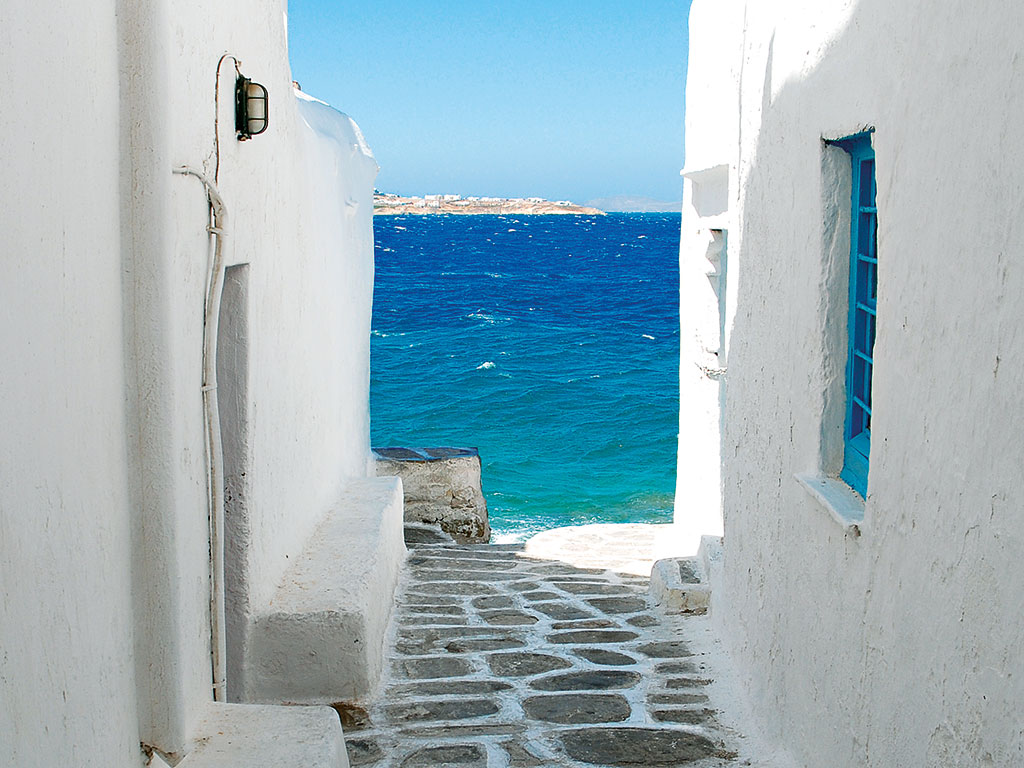
Mykonos

Part of the Cyclades group of islands located in the Aegean Sea, Mykonos is widely viewed as the most glamorous of the Greek isles – and with good reason. Located only a 40-minute flight from Athens, the island manages to strike a perfect balance between leisure and adventure; boasting a touch of class and quality while managing to avoid the ostentatiousness that so often accompanies such destinations.

There are numerous beaches to choose from, all of which cater to a varied array of tastes. For those looking to let loose and party until dawn, there is Paradise Beach and its aptly named cousin, Super Paradise Beach. Both have a number of popular bars, generally attracting a younger crowd to their shores throughout the day. When night falls, the beaches transform into two colossal nightclubs, with people dancing into the early hours of the morning.

Food on the island is exquisite, with fresh, reasonably priced seafood available from every beachside restaurant

Hidden gems
If all that music and partying sounds like a nightmare, then Agios Ioannis is on hand to offer a welcome retreat from the noise: home of Hippie Fish, a spectacular beach restaurant and bar made famous by the cult movie Shirley Valentine, this beach possesses some of the softest sands and crystalline blue waters that the island has to offer.

For those looking for the perfect blend of both worlds, the place to go is Panormos. This relaxing beach resort located to the north of the island can only be reached via private transport. Its relative remoteness helps to attract those looking for something a little different, thus guaranteeing it a place as one of Mykonos’ most popular spots.

Viewing spots
Traditionally, it is said that, of all the Greek islands in the Aegean Sea, Santorini is the home of the most beautiful sunsets. However, Little Venice in Mykonos Town provides a far superior platform from which to view the spectacle: considered to be one of the most romantic spots on the island, people flock to the various galleries, bars and cafes in order to get the world-class views of the setting sun.

One potential viewing spot that is often missed by many – partially due to its inconspicuousness, and partially because those who do know about it tend to arrive as early in the evening as they can – is the small terrace balcony at the Galleraki Cocktail Bar. Those lucky enough to secure the best seat in town are advised to sample the bar’s signature Katerinaki Cocktail.

Mykonos-2

A feast for the senses
Food on the island is exquisite, with fresh, reasonably priced seafood available from every beachside restaurant. In the height of the season, expect to need a reservation if you want to get a table, but during the off-peak months it is possible to walk into most places and eat right away.

However, it is not essential to sit down for a meal every night, and it would undoubtedly be a mistake to travel to Greece without trying souvlaki; one of the most popular Greek forms of fast food. Another signature dish worth trying is saganaki: though the name refers to the type of frying pan in which the dish is prepared, the most common food to be served when ordered is a fried cheese, with the variety usually being graviera, kefalograviera or halloumi.

As the height of the season (July and August) is when the holidaymakers who are looking to party arrive, for those looking to escape the crowds, it is best to visit in June or during the first week of September. But no matter when tourists choose to travel to the jewel of the Cyclades, they will be met by arguably the most friendly and hospitable people in world – the local islanders.

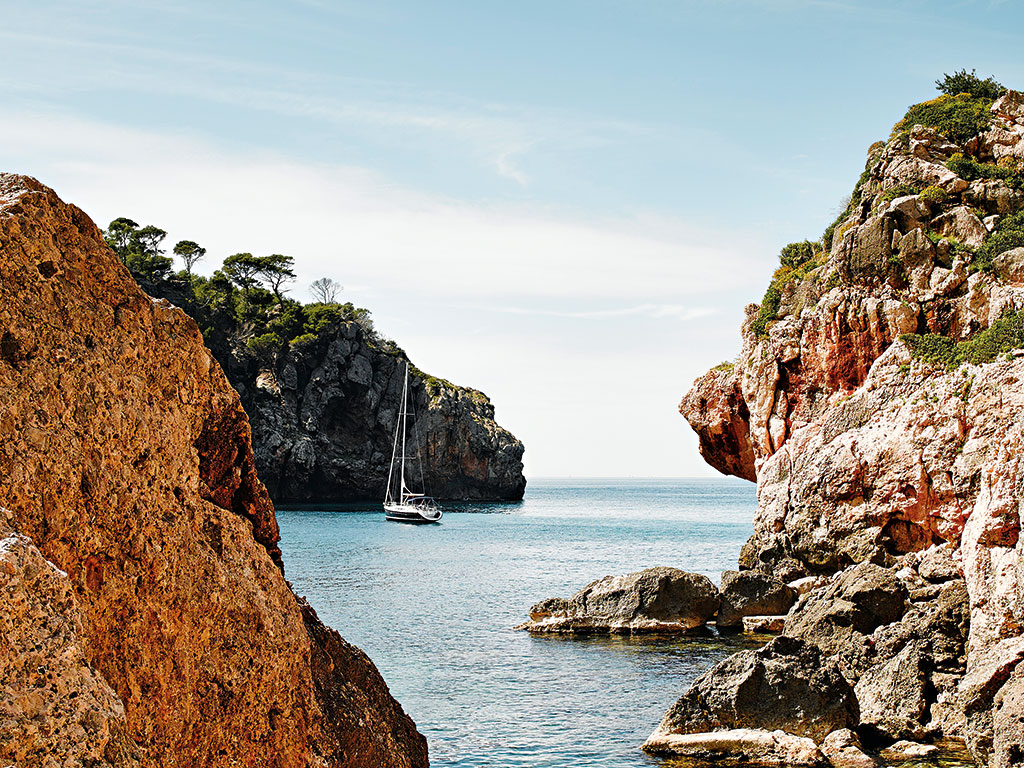
Deià

Deià is a tiny, picturesque town located on the Serra de Tramuntana coast of the Spanish island Mallorca. The village has a vast colour palate, the most striking of which is derived from the green-shuttered, tawny-coloured houses, many of which have been snapped up by millionaires and Hollywood stars in recent years for the secrecy and seclusion they, and the surrounding area, provide.

Cultural inspiration
While many areas of Mallorca have become extremely overdeveloped during recent years, this small corner of the island has remained mercifully untouched. The peaceful town is situated just 10 miles north of Valldemossa, and has become well known for being home to many literary and musical residents over the years.

Deià’s labyrinthine pathways and alleys, protected by beautiful evergreens on either side, give travellers the chance to lose themselves

One of the most renowned such inhabitants was the English poet and novelist Robert Graves, who was one of the first foreigners to make the idyllic village his home. He moved to Deià with his mistress, Laura Riding, in 1932, before returning in 1947 with his second wife after the war had finished. His love of the island as a whole and the town in particular was well known, and he lived there until his death at the age of 90. Several of his novels were based on the island, including the historical novel Hercules My Shipmate. His former home has since been converted into a museum.

Though the village has hosted its fair share of literary greats, over the years this demographic has shifted, with more and more millionaires and business tycoons claiming the resort as their own: not content with just owning Necker Island in the Virgin Islands, the business magnate Richard Branson has also snapped up the Belmond La Residencia Hotel in Deià – or La Res, as it is more commonly known by those that stay there – and transformed it into a luxury hotel, catering to the tastes of the rich and famous; something that Branson is no doubt well-versed in.

Deià-2

A sense of seclusion
Deià has always been a hit with those looking to escape from their hectic lives – indeed, the town, and La Res specifically, was where Princess Diana chose to hide away from the paparazzi when her marriage with Prince Charles ended. For those that are lucky enough to visit the town, it is evident why: walking along Deià’s labyrinthine pathways and alleys, protected by beautiful evergreens on either side, the surrounding environment seems to offer protection from prying eyes, giving travellers the chance to lose themselves within its walls.

This sense of protection from the outside world means that more and more people are now venturing to Deià in order to relax and unwind. Days can be spent simply gazing upon the crystal clear water of the Mediterranean Sea with a glass of wine in hand, or meandering through the town’s narrow streets to sample some of its most delectable local cuisine.

However, for those looking to ditch the balconies and glorious sunsets for a little while, there is also a scattering of tennis courts around the village, some run by the local council and others available to hire from various hotels. There is also a wide selection of other activities to choose from, including horse riding and a variety of watersports.

No visit to Deià would be complete without a visit to its beach, which is located in the most attractive of coves and sheltered by high cliffs. One of only a few beaches on Mallorca’s northern coast, Cala Deià is an intimate shingle beach that stretches for more than 70 metres. However, visitors should be prepared to see local artists with a penchant for skinny-dipping, as they attempt to keep Graves’ tradition alive.