Into Africa

Launched in January 2010 in Lomé, Togo, ASKY is one of Africa’s fastest-growing airlines and boasts the largest network within west and central Africa, connecting 22 of the region’s cities with a modern fleet of aircraft.

Before the airline was launched, those wishing to fly from Togo to neighbouring African countries often had to transfer in Paris, London or Amsterdam, turning relatively short distances into extremely convoluted and time-consuming journeys. ASKY set out to eliminate this practice, linking African neighbours directly.

ASKY was founded by a combination of regional institutions – the ECOWAS Bank of Investment and Development (EBID), the West Africa Development Bank (BOAD) and the ECOBANK group. The airline is a fully private, profit-driven venture managed by experienced professionals coming from 27 African countries. Its strategic partner is Ethiopian Airlines, the most successful airline in Africa, which also has 20 percent ownership of ASKY’s capital. Furthermore, Ethiopian Airlines is ASKY’s technical partner, ensuring top-level maintenance of its aircrafts.

ASKY’s vision is to build a pre-eminent international airline connecting the region and a variety of African countries to the world, with innovative technology, efficiency, reliability and courteous customer service that encompasses traditional African hospitality.

Big achievements
ASKY is well on the way to achieving this vision by promoting the development of the movement of goods, persons and trade between the various regions of Africa and beyond, by providing regular, safe and reliable flights at very competitive fares. ASKY also facilitates trade flow in a dynamic manner by creating new links between states in the region, and with states that are development partners, by creating and developing proximity air services.

Aside from trade, the carrier is contributing to the development of intra-Africa tourism and tourism between Africa and the rest of the world. Every week ASKY operates over 100 flights and carries more than 10,000 passengers; in fact, the airline celebrated its millionth passenger in March 2013.

ASKY is developing a strong network with Lomé as the hub. Ambitious plans are in progress to enable coverage of the whole continent, with existing and ongoing negotiations on interline and code-share agreements with other African carriers. Together with its strategic partner, new services will soon be launched to Rio de Janeiro, São Paulo and Beirut. It is for these reasons that ASKY Airlines has won Business Destinations’ Best Economy Airline, Africa, 2013 award.

Customer benefits
Business customers flying with ASKY have access to lounges across the carrier’s network. They allow moments of relaxation away from the main airport and the chance to catch up on work between flights. Once on board there are spacious seats, a plethora of reading materials and champagne or fruit juice to welcome customers to their seats.

All passengers are served extremely high quality meals and attentive onboard staff are available to assist throughout the flight. ASKY prides itself on punctuality, always sticking to schedule, and even claims to leave early at times. The airline has also created the ASKY Club for regular travellers. Four levels of membership are available, depending on your accumulated air miles, and new joiners receive a bonus 1,000 miles with their first trip. Benefits of club membership include airport assistance, increased baggage allowances, upgrades, personalised luggage tags and access to the ASKY lounges.

Community and environment
ASKY is a community airline that is committed to the continent’s integration process and plays a key role in it. Since its creation, ASKY has continuously filled the gap that existed in Africa’s air transport sector by linking states and cultures, reinforcing the flow of business and social integration. Key examples include ASKY’s success in bringing together Africa’s English-speaking and French-speaking states, creating historical and political links between African markets.

Although ASKY has been operating for only three years, the company has paid great attention to the environment. ASKY has demonstrated commitment to the reduction of its carbon footprint, as well as investing in projects geared towards clean technology and the use of cleaner fuels, especially with its partners and suppliers. The carrier now boasts an impressive fleet of new NextGen aircrafts, which produce reduced emissions.

Furthermore, in many of its sponsorship programmes and corporate social responsibility activities, together with its partners and suppliers, ASKY helps to raise awareness among the public about environmental hazards. As the airline continues to grow, its commitment to environmental sustainability is ceaseless and ASKY will continue to be involved in reducing its negative carbon impact, while also highlighting carbon credit schemes.

In safe hands
Ensuring safe operations is a top priority for ASKY’s management. That’s why for this year one of the main challenges is the acquisition of IOSA (IATA Operational Safety Audit) certification. Since January 2013, all operational departments are in training and new processes are being implemented. This is proof of ASKY’s commitment to a better quality and professionalism of service.

ASKY supports the best aviation practices, holding safety as a core value. The company aims to achieve the highest level of safety performance possible, meeting both national and international standards. The ASKY Safety Management System includes all aspects of flight, maintenance, ground services, industrial and environmental safety, including emergency response planning. All levels of management and all employees are accountable for delivery of this, starting with Awel Busera, the Chief Executive Officer, who is responsible for the overall safety of ASKY.

Employees support the management of safety, enforcing it as the primary responsibility of all. Each member of staff has specific accountabilities for delivery of ASKY’s safety performance and no action will ever be taken against any employee who discloses a safety concern through the hazard reporting system. There will always be sufficiently skilled staff and the right resources available to implement safety strategies and processes. bd
Sky-high standards

TAP Portugal has been in operation since 1945 and has been a member of Star Alliance – the first established global airline alliance in the world – since 2005. This unparalleled experience, combined with the company’s trademark customer service, sees it set to rule as the leading airline in the country. The company’s main hub in Lisbon is a key European gateway at the crossroads of Africa, North America and South America. Here, TAP stands out as the leading international carrier in operation to Brazil, serving ten different gateways with 74 direct flights on average each week.

The TAP network comprises of 76 destinations in 34 countries worldwide. Its top strategic priority is to respond to and anticipate customers’ expectations, by working hard to provide them with the best options and the easiest travel solutions. The company has established partnerships, both on the ground and in the air, which allow TAP to offer customers a product of ever-increasing value, not only serving a wider range of destinations in code-share with other airlines, but also providing them with a considerable variety of associated advantages and benefits.

One such partnership sees TAP team up with OnAir wi-fi, allowing passengers on the A330 Pedro Nunes to stay connected to the world while they fly, with access to the internet on their computer, tablet or smartphone. TAP is one of the first European airlines to offer these in-flight connectivity services, so that customers can make the most of their flight time.

Philosophy and brand
As Portugal’s premium airline, TAP’s main goal is to be the best airline to fly with, the best airline to invest in and the best airline to work for. In the pursuit of such a corporate vision, customer benefits and satisfaction come first, along with safe, reliable and trustworthy operations. To achieve these objectives, the company is strongly committed to quality, customer care, transparency, accountability and social responsibility. Altogether, this translates into on-going work across the entire organisation, supported by highly professional, skilled and motivated teams.

This is the philosophy that overrides TAP’s presence wherever it may be, symbolising its hospitality, role in connecting people, and uniting three continents in a single embrace. It can be simply expressed by the company motto – ‘There’s only one way to travel. With arms wide open’ – which sees the Portuguese airline extend a warm welcome to all people, broadly embracing the cultural diversity covered by its network across Europe, Africa and South America.

TAP strives to deliver safe, reliable and upgraded products and services, tailored to meet customers’ needs and live up to their expectations, while retaining the Portuguese character associated with the company and the brand. These high standards have seen it named Business Destinations’ Best Business Class Airline, South America, 2013.

New destinations have been added to TAP’s network to reinforce its reach, commitment to new technology and to further benefit every customer. Examples include the development of a new loyalty platform, its strong online and mobile strategy to respond to customers on the go and an ever-growing social media presence. According to socialbakers.com, the world’s most quoted source on global Facebook data use, TAP was ranked as having the best customer service in Portugal on the social network, with a wide advantage over other corporations.

An entertaining experience
The customer experience is enhanced further by a diverse range of entertainment on board. TAP planes have interactive audio and video on demand systems, with a selection of over 20 films, 20 hours of TV programmes, daily news, games and over 900 songs and audio books – as well as the chance for passengers to create their own customisable playlists, choosing their favourite tracks from 60 CDs and 12 radio stations.

The entire fleet also shows animated maps, illustrating the plane’s trajectory and giving information about flight conditions, temperature and the time at the departure and arrival cities. Some planes are also equipped with external cameras that show the take-off, approach and landing.

TAP has recently completed the interior cabin upgrade of its A340 fleet programme, including new seating with enhanced in-flight entertainment systems in economy class, granting more comfort and quality to passengers. On long-haul flights, large and soft quilts have replaced the traditional polar blankets, while new headphones with cutting-edge noise-cancelling technology will make your journey more comfortable. Meanwhile, the new recyclable and collectable comfort kits – decorated with art from respected Portuguese, Brazilian and African artists – contain items made from 100 percent natural materials.

Portuguese flavours
The company has also renovated its business class service, with new menus created by cuisine consultant Vítor Sobral. Sobral is an award-winning chef with a unique cooking style, based on celebrating Portuguese products by combining traditional ingredients with innovative techniques, in an ongoing search for new taste experiences. When passengers travel in TAP Executive Class, the goal is to make their trip a unique, exclusive and memorable experience. The new menus put the spotlight on Portuguese gastronomy, flavours and traditions. Dessert offerings highlight traditional Portuguese sweets and pastries, as well as an optional cheese plate and fresh fruit of the season.

A large selection of sparkling wines are also on offer, with the three Portuguese wines served on-board having been acclaimed by Global Traveler magazine as among the best wines served by airlines across the world. A range of ports and spirits are also available, as well as tropical fruit juices,
coffee and a variety of teas.

Before and between flights, TAP’s business class customers are treated to the airy, spacious Premium Lounge at Lisbon Airport. Screens offer constantly updated flight information, while free wi-fi, fax, telephones, computers and mobile chargers ensure business doesn’t have to stop. Shower facilities and a luxurious restaurant area allow passengers to fully rejuvenate. TAP continues to introduce new items and revamped in-flight services to make each flight a unique, exclusive and memorable experience.

Further information
www.flytap.com

Branching out

Alshamel Travel, our Best Travel Management Company, Middle East, 2013, is the fastest-growing travel management company (TMC) in the Middle East. It already has a renowned reputation for providing reliable, premium services in corporate, leisure, military and government travel. It is the only TMC with fully owned offices across the Gulf Corporation Countries (GCC) and Jordan. With more than 300 professionals from 21 different countries, Alshamel services a diverse client portfolio including Fortune 500 companies, local and international governments, and military organisations.

Alshamel is a regional partner of Carlson Wagonlit Travel (CWT), the world’s leading corporate TMC, and CWTSatoTravel, the world’s largest travel services provider to the US military and government. Together they offer a combined network reaching an impressive 150 countries.

Regional growth
Following the launch of Alshamel Travel in Kuwait in 1996, it was not long before the first office in Dubai, UAE opened in 2002. Within a few years, expansion had extended to Qatar and Bahrain in 2004, closely followed by Jordan in 2005 and Abu Dhabi, UAE in 2006. The newest branches were opened in Saudi Arabia in 2009 and Oman in 2010.

Each of these outlets has been approved by the International Air Transport Association to make passenger sales, and therefore is able to make reservations and issue tickets instantly on all airlines including low-cost carriers. This ensures speed and timely delivery of travel documents. The outlets act as one-stop travel shops offering a range of travel products and services.

While Alshamel benefits from the expertise, support and cooperation of its esteemed international partners, its main focus is on the GCC and countries of the Middle East. Functioning as one entity through a network of regional offices, Alshamel excels at servicing clients and partners on a truly regional level. It provides exceptional results thanks to extensive local knowledge, highly experienced agents, dedicated programme managers and access to cutting-edge technology. Alshamel continues to pursue a methodical, organic growth strategy through affiliation, network expansion, diversification and optimisation.

Alshamel Travel’s annual sales in 2012 exceeded $480m, making it the largest travel services provider in the whole of Kuwait and the fourth-largest TMC in the entire region, according to Arab Travel News magazine’s 2011 Power List.

True teamwork
In a changing world, Alshamel Travel has not forgotten the values that have made it one of the most successful travel names in the Middle East. The company’s main asset is its people; they are highly trained and motivated and really care about customer needs.

Alshamel provides and sustains an infrastructure that effectively recruits, selects, develops and retains the very best employees. It fosters a true teamwork philosophy that is inspired through effective organisational skills, proactive efforts, and maintaining a balanced life between professionalism and having fun.

It is without doubt that the company’s business model is unique in the region, especially as it has built a number of business units organically, which comprise of Alshamel Military and Government (M&G), Alshamel Local (Corporate and Leisure) and Alshamel/CWT Corporate Travel. In 2013 Alshamel will be adding additional business units: Alshamel Leisure, Alshamel Retail, Alshamel Luxury (currently only in Kuwait) and Alshamel Online.

Unique feats
Regionally, Alshamel is the only TMC with nine fully owned offices across the GCC and Jordan. It operates as a full-service TMC offering corporate travel management services to an incredibly diverse client portfolio, including Fortune 500 companies, and government and military organisations. Internationally, its global partnership with CWT, the world’s leading travel management experts, ensure a combined network reach of over 150 countries.

Documents in the digital archive have been accessed an average of 20 times each without killing a single tree

In terms of technology, Alshamel has been relentlessly adopting the latest innovations to improve data analytical capabilities, attain better control over the supply chain and enhance the quality of services provided to corporate clients. In addition to this, deploying CWT’s hi-tech systems and products allows Alshamel to offer world-class levels of corporate travel services coupled with maximum efficiency and consistency in service delivery.

Securing sustainability
Alshamel is the only TMC in the region to have pioneered a sustainability initiative; it is called the ‘Alshamel Green Initiative’. The programme comprises three sustainable, secure, online applications: travel tracker, digital archive and customer portal. The travel tracker is a user-friendly, database-driven application. It’s a two-sided, extremely efficient tool that links client and travel agent in a fully automated environment, which not only reduces the use of emails and voice calls, but also eliminates the exchange of hard copy supporting documents.

The digital archive is an application developed to eliminate the internal paper exchange between offices, divisions and departments. These are both generated and archived in digital format. The archive today is home to over 500,000 documents with a combined size of over 20TB. Documents in the digital archive have been accessed an average of 20 times each by the various parties without killing a single tree.

Finally, the customer portal is an application containing uploaded client-related documents, which can only be accessed by the client’s designated personnel: these are uploaded within 24 hours from the time they are issued. In a typical month, an average of 35,000 invoices and 20-30 reports are generated for each of the company’s clients. Today the company has the capability to share these invoices and reports digitally with its client base, without exchanging a single paper document.

Ever since the launch of the ‘Alshamel Green Initiative’, we have been educating local and regional clients on the importance of creating a paperless environment and reducing CO2 emissions. Similarly, Alshamel M&G has been, since inception, engaged in environment preservation and protection, and is constantly after sustainable initiatives. Adhering to a green policy, such as conforming to a paperless work environment policy, shredding and recycling of unwanted paper is one of the sustainable initiatives adopted by Alshamel M&G.

A working holiday

Eccelsa Aviation’s brand new private terminal at Olbia Costa Smeralda Airport was inaugurated on June 27, 2009. Inside, the eye is drawn along the sleek, elegant lines of the architecture, while beautifully designed lighting creates an incredible feeling of intimacy. More than 40,000 passengers pass through the terminal each year. Most of the travellers are, of course, bound for the Costa Smeralda, the legendary tourist haven whose emerald seas are renowned as the most beautiful in the world.

It is impossible to say exactly how many of these passengers go to Porto Cervo and the other famous locations on the Northern Sardinian coast for business, and how many for leisure. The reason is simple: it has been fashionable for quite some time now to mix the two on the Costa, creating business opportunities in the holiday location, and moving business and public relations meetings to the sea. It is often a logical next step that allows all concerned to take advantage of the great weather and superb infrastructure and facilities offered by an area that has been catering to large numbers of discerning celebrity guests for almost 50 years now.

Luxury location
There are many good reasons why Eccelsa Aviation is our Best Fixed Based Operator, Europe, 2013. It offers an exceptional combination of absolute professionalism and that extra touch of charm one would expect of an airport serving one of Europe’s most prestigious tourist destinations. It is located just 2km (less than five minutes by car) from the new Marina di Olbia, which accommodates yachts of all sizes and provides superbly discreet transfers to and from the airport. This is a unique plus as it is the only aviation terminal in the Mediterranean allowing travellers to start their holiday on the Costa within a few minutes of touching down, without the hassle of long car drives or helicopter hops.

Added to this, the Eccelsa Terminal is home to 4,500sq m of retail space, featuring boutiques of major brands like Royal Cashmere, De Grisogono, Cucinelli and Ambrosio with Zegna, luxury eyewear brands, a shop offering a highly select range of wines and local products, a quality restaurant, and even conference rooms.

The transfer is so convenient that many passengers journey to their villas by helicopter and send on their luggage by car

The designer terminal is fashioned from glass and local yellow granite stone, and boasts a feature that makes it unique in Europe: a special aeroplane canopy, allowing passengers to enter and leave the terminal directly from their aircraft, in total comfort, whatever the weather.

Over the last ten years, Eccelsa has doubled the number of aircraft movements it deals with, rising from less then 7,000 to over 13,000 per year, with July and August being the busiest months in the skies over the Costa Smeralda. Private 747s, Airbus 340s, as well as Boeing 767s, 777s and a variety of other very large and large aircraft sit in the 10-hectare aircraft ramp in the peak season, forming stunning scenery of amazing machines arranged in executive configuration.

Whether the final destination is a beautiful villa, a five-star hotel, the latest super yacht – or attendance at one of the many events and regatta organised by the exclusive Yacht Club Costa Smeralda – Eccelsa Aviation assures the arrival and departure of all passengers in total comfort, safety and security.

It’s just a short hop from the air terminal to a helipad-sporting megayacht riding at anchor off the Costa. In fact, this mode of transfer is so convenient and quick that many passengers opt to make the journey to their hotels or villas by helicopter and simply send on their luggage by car.

First-class details
The Eccelsa concierge service will organise anything and everything for passengers, from the very common requests of hotel accommodation, transportation service and in-flight first-class catering, to horse treks, aircraft and helicopter charters as well as renting a Ferrari, an Aston Martin or a Bentley. Its personnel can even arrange both bareboat and skippered yacht charters.

The Eccelsa in-flight catering service alone offers a list of over 100 menu choices ranging from simple sandwiches to lobster. Needless to say, the emphasis is on carefully selected, quality Italian and Sardinian foods and wines. The Meridiana Maintenance Department (Eccelsa is a company belonging to the Meridiana Group, the second-largest carrier in Italy), of course, offers first-class technical assistance with a team dedicated to the Private Aviation Sector, while there are also integrated services for flight personnel and air taxi companies, which account for quite a significant part of the air traffic touching down at Olbia Costa Smeralda.

Eccelsa Aviation is one of the reasons why people who like holidaying in truly special locations choose to come to Sardinia. The service is first class: always delivered with a natural charm and with absolute respect for the customer’s privacy. The whole business holiday experience is taken to a different level here.

Although business and holidays once seemed like two completely separate worlds, never destined to meet, they have now become two parts of the same whole, quite naturally, on the Costa Smeralda.

In the art of the city

There was a time, in the not-so-distant past, when downtown Johannesburg was the sort of place people avoided: run down, dangerous, nothing much to see or do. Now, however, the eastern central business district is a destination in its own right. It’s still run down – in terms of overall appearance, the area can’t compare with plush northern suburbs like Sandton or Rosebank – but these streets, with their trendy bars, shops and cultural amenities, are now safe to walk. And there’s a real buzz about the place.

This is in large part thanks to Arts on Main, a converted turn-of-the-twentieth-century warehouse containing exhibition spaces, artists’ studios, shops, a restaurant and a Sunday market, which now stand at the heart of a new precinct known as Maboneng. Four years on from the development’s launch in April 2009, and with thousands of visitors making their way to Arts on Main and other Maboneng destinations each weekend, now is a good time to evaluate the venture’s success.

A lot of people who swore they’d never come into the inner city because it’s so dangerous are coming in

Property developer Jonathan Liebmann, founder and CEO of Propertuity, the company that in 2008 bought and converted the vital warehouse, recalls his feeling of frustration at “not having an urban alternative” to life in the suburbs of Johannesburg. What was once a thriving manufacturing and commercial area fell into disrepair as a result of the decline in industry and white flight following the fall of the apartheid regime. High crime rates – a by-product of high unemployment among the economically disadvantaged communities that moved into the city centre – had made downtown Johannesburg a no-go zone.

Streetwise solution
The solution, Liebmann felt, lay in an arts-focused regeneration plan. “If you look at all successful regeneration projects they often have artists as their first occupants and those artists and galleries are the catalysts for the site change. And the reason why that happened, at least in this area, is because it’s affordable and it has really good quality of light: there’s double, triple volume ceilings. Also I think artists like to align themselves with social change and rejuvenation projects.”

David Krut Projects (DKP) was one of the founding arts organisations at Arts on Main, opening a bookshop, print workshop and exhibition space there in April 2009. Krut has been active on the South African contemporary art and publishing scene since the early 1980s, known in particular for his long association with William Kentridge, one of the country’s most prominent artists.

Kentridge has also been involved with the development from the very beginning, working from a large studio space there and collaborating regularly with DKP. Liebmann says that when he first set the wheels in motion “people thought I was crazy”. Kentridge’s early involvement was crucial when it came to attracting the interest of established organisations such as DKP, the Goethe Institut and the Goodman Gallery, another major player on the Johannesburg art scene.

Krut is very positive about the way Arts on Main has catalysed a transformation of the surrounding area, but draws a distinction between the project and the sort of true artist-led cultural regeneration that has taken place in other cities. “I was around in London in the 1970s when Wapping came to life,” he says. “There were artists living there, there was no water, they weren’t supposed to be there. [In Johannesburg] artists weren’t coming in and making it happen, that didn’t happen here: it wouldn’t have been safe and there were no usable facilities. So the regeneration has had to come in a more
sophisticated way.”

Beyond art
Although art kicked it all off, it wasn’t long before Liebmann was hatching further plans. Propertuity now owns 34 buildings in the area and has developed seven of them into a new precinct, Maboneng (which means ‘place of light’ in Sesotho, one of South Africa’s 11 official languages). Today, 70 percent of Maboneng is residential, with workspace and retail making up the rest.

Not all the galleries that set up project spaces in the early days of Arts on Main are still operating there today. The Goodman Gallery, for example, moved out just over a year ago. For gallery owner Liza Essers it just didn’t make commercial sense to maintain a permanent space there in addition to the flagship site on Jan Smuts Avenue, the city’s contemporary arts hub. She hopes instead to stage pop-up exhibitions on an ad hoc basis at spaces in Maboneng, exploiting the ‘cutting-edge’ nature of these new environments while maintaining flexibility of programming. Essers regards Arts on Main and other ‘creative hubs’ that have come into being in the city over the last few years as “very necessary to grow a contemporary art scene” in Johannesburg.

Commercial challenges
DKP is going strong at Arts on Main but Krut acknowledges that there challenges concerning commercial viability. His space works, he says, because it combines bookstore, print workshop and gallery, each aspect of the business helping to support the others.

“It’s not a sophisticated art collecting audience… [There’s] a long road before [Arts on Main] becomes anything like the epicentre that the Jan Smuts arts strip is,” Krut says. “And even there, there are only about eight or nine galleries and that includes the top ones in the country… It’s still a pretty small gallery environment in South Africa.”

But even if the visual arts provision at Arts on Main is still relatively modest, there’s no arguing with the way culture in the area has blossomed more generally. A pop-up comedy club, an independent cinema and a design hotel are just a few of the artsy options drawing crowds – including, crucially, plenty of foreign tourists – to a part of town that five years ago was effectively off-limits.

“A lot of people who swore they’d never come into the inner city because it’s so dangerous are coming in,” says Krut. “They’re just staggered at how fabulous it is.”

The heart of Africa

Nairobi is a city growing in stature each and every day. Historically, the Maasai used it as a watering hole; the city’s name comes from the phrase ‘Enkare Nyirobi’, which roughly translates to ‘the place of cool waters’. Today, however, with over 1,000 Kenyan and 100 international organisations based in the city, it is having more and more influence on the global business scene.

As the capital and largest city in Kenya, it is perhaps not surprising to learn that the population now exceeds three million – making it the most populous city in East Africa. The growing population has seen the city expand more rapidly than anywhere else on the continent. In parallel, Nairobi has become one of the most prominent African cities politically and financially, with its own stock exchange, a UN office and a thriving trade zone. It is now an established player in the global business game – all you need is a place to stay.

Centre of attention
The Sentrim 680 Hotel is located in the centre of Nairobi along the busy Kenyatta Avenue – just a 30-minute drive from Jomo Kenyatta International airport. The location offers easy access to key institutions in the city, including the Kenyatta International Conference Centre, which is just minutes away from the hotel.
For a comfortable and connected base in the heart of the city, the Sentrim 680 is a worthy choice, and is the recipient of Business Destinations’ Best Business Hotel, Kenya, 2013 award.

When you want a break from business you can experience the excitement and vibrancy of the city, and delight in the variety of shopping centres, banks and supermarkets all within walking distance from the hotel. A trip to the capital is never complete without a visit to Nairobi’s most famous attractions, such as the world-famous Nairobi National Park, Karen Blixen Museum, Bomas of Kenya, Giraffe Centre and The National Museum of Kenya, again within walking distance or just a short drive away. Affordable rates ensure that you will be able to enjoy all that the area has to offer, without overpaying.

Room to relax
Most importantly, however, the Sentrim offers affordable and relaxed accommodation. The hotel has 253 rooms and five suites, all recently refurbished and decorated in warm contemporary styles. Each room is soundproofed and has a digital flat screen TV, digital safe, electric fans, mini fridge and free wi-fi. Rooms also have an ensuite bathroom and a private balcony with picturesque views of the city. The hotel has a 24-hour front desk manned at all times, as well as 24-hour CCTV and security to provide a safe, helpful environment throughout your stay.

After a comfortable night’s sleep you can enjoy an exquisite daily buffet breakfast, followed by á la carte lunches and dinners served in the Terrace restaurant. Guests can wine and dine among the luxury of the hotel’s Sentropé bar and lounge, which plays host to various live musical performances and barbeques on a regular basis. The Sentropé offers an incredible selection of wines and liquors for all to enjoy, as well as sensational cocktails prepared by its very own beverage masters. The complex also has a coffee shop, gift shop and casino.

The Sentrim 680 has seven spacious conference rooms with a combined capacity of 1,600. The meeting and banqueting facilities are specifically designed to suit every type of business event or social gathering, with air conditioning and public address systems.

Whatever your needs, the Sentrim 680 Hotel will provide you with the tools to make your next business trip, corporate conference or private party a successful and memorable one.

Park life

Like any bustling capital city, Amsterdam is filled with hotels. But for many travellers, the prospect of staying in an impersonal, generic accommodation block during long business trips is distinctly unappealing. Park Hotel, our Best Business Hotel, Netherlands, 2013 provides a tempting alternative.

The homely feel of Park Hotel amsterdam begins as you step inside

A canal-side boutique in the centre of Amsterdam’s cultural district, Park Hotel perches proudly on the edge of Museum Square, home to the city’s most famous artistic and intellectual offerings. The recently reopened Rijksmuseum is a direct neighbour, while the popular PC Hooftstraat, site of numerous international fashion stores, is a short walk away. When evening comes, further entertainment is easy to find, with the Leidse Square in close proximity.

A home away
But Park Hotel knows location isn’t everything. Its mission is to create a hotel that provides a real welcome, offering all the home comforts one usually misses on the road. “What we are hearing from our meetings and events and corporate clients is that they love the hotel because it has all these elements that you would find in a smaller boutique hotel,” tells Bram van der Hoek, the hotel’s General Manager. “Business people these days would like to experience emotion rather than staying in, let’s say, the mainstream hotels next door.”

The homely feel of Park Hotel begins as soon as you step inside. The Living Room is a specially designed space quite unlike a traditional hotel lobby. A stunning feature fireplace tempts guests in, creating a relaxed area in which to peruse the hotel’s extensive book collection. “It’s designed to feel like you are at home,” says van der Hoek.

Adding to the Living Room is the new Jewelry Bar. During the day it’s a traditional European coffee house, serving deliciously blended hot drinks alongside fine chocolates and pastries. At night it becomes a bar, and the lively main hub of the hotel.
But the Jewelry Bar is not the only venue of conviviality that Park Hotel has to offer. The centrepiece of the hotel, open to guests and locals alike, is the MOMO restaurant. Offering pan-Asian cuisine, the restaurant blends eastern and western influences to present diners with a sophisticated, international culinary experience. During the design process, it was decided the restaurant should have an identity distinct from the rest of the hotel, encouraging non-visitors to treat it as just another local
eatery. Now, a combination of Amsterdam residents and foreign guests mingle together in the restaurant’s bar and lounge, enhancing the immersive local experience that Park Hotel aims to create.

Business bonus
A bonus for the business crowd, Park Hotel has stylish conference facilities and regularly hosts corporate events. “We actually have nine meeting and event rooms,” says van der Hoek. “We named them after destinations: we have rooms called New York, London, Berlin, Sydney and Tokyo. In total we have 750sq m of space. The hotel is actually one of the market leaders in that segment here in the city centre.”

The general guest amenities, for leisure and business travellers alike are also extensive. Those hoping to keep fit during trips can utilise the hotel’s gym, equipped with personal trainer. There are also a range of shops and boutiques selling gifts and souvenirs. Understandably for such a centrally located hotel, Park Hotel is easily accessible. Amsterdam benefits from a modern hub airport, Schiphol, which can be reached by train or car in around 15 minutes. The hotel’s car park holds 50 cars – a rare capacity for such a centrally located hotel.

The unique style that Park Hotel has gone for is clearly its biggest asset. Both the hotel and MOMO have earned a number of industry awards in the last few years. Van der Hoek says that it is both the boutique styling and location – which he describes as “triple A” – that have garnered the hotel’s unparalleled popularity.

Further information
www.parkhotel.nl
www.momo-amsterdam.com

Cultural Events, Summer 2013

Sun Splash Festival
June 27-29

Antalya, Turkey

Festivals are no longer synonymous with mud and rain. Plenty of summer gems across Europe provide smaller, warmer gatherings enveloped with stunning scenery and offering luxurious accommodation. With only 500 attendees, the SunSplash festival in Antalya, Turkey is a good example of the growing trend. Hosted by a five-star, beachside hotel, SunSplash is a continuous party with world-renowned DJs and the comfort of an excellent night’s sleep at the end of it. Interspersing the revelry, guests can refresh with inclusive daily yoga or treatments in the onsite spa, attend music workshops, or even hike to the summit of nearby Mount Tahtali.

sunsplash-festival.com

Calgary Stampede
July 5-14

Alberta, Canada

The Calgary Stampede was dreamt up in 1912 by Guy Weadick, a famous cowboy and vaudeville entertainer, who loved the culture of the old west. Now, this not-for-profit community organisation continues the dream, presenting an extravaganza of rodeo, singing, dancing, canvas carriage derbies and agricultural displays. The site is divided into themed areas: Bell Centenial Plaza houses talent acts; Western Oasis celebrates the beauty of western countryside; the Indian Village explores Alberta’s cultural roots; and Draft Horse Town lets visitors encounter horses up close. The Stampede Parade is a big highlight, covering two miles and featuring bands, floats, riders and celebrities.

calgarystampede.com

ABBA Museum
All Summer

Stockholm, Sweden

Although Sweden is sometimes reluctant to consider ABBA its main export, this recently opened museum reveals a soft spot for the band. Visitors will be able to peruse the band members’ most famous costumes, gold records and a vast collection of memorabilia – including Benny’s piano and the tiny helicopter from the cover of The Arrival LP. Beyond ABBA, the museum houses a Swedish Music Hall of Fame, celebrating such successes as The Knife, The Cardigans and Swedish House Mafia. A further exhibition gives an overview of Swedish pop music, from 1920. But the highlight has to be singing along to ABBA classics with life-size holograms of the famous four.

abbathemuseum.com

Edinburgh Festival
August 2-26

Edinburgh, Scotland

As August begins, the streets of Scotland’s capital are quickly covered with a cascade of artists, mimes, comedians, dancers, jugglers, actors and thousands of tourists begging to be entertained. Every bit of venue space is appropriated for festival use, offering punters everything from cabaret to physical theatre, via improvised comedy, acrobatics and spoken word. Although there will always be entertainers flogging free shows, be sure to book advance tickets for your favourite acts as the big names sell out fast and there’s nothing worse than trying to surreptitiously slip out of a ten-person audience while an amateur comedian crashes and burns in an uncomfortable half hour of total silence.

edfringe.com

Tourism de France

This year is an auspicious one for the Tour de France. Not only does 2013 mark the 100th edition of the bicycle race but, for the first time, the event will cross to Corsican shores. Known as the Island of Beauty, Corsica promises a striking backdrop for the race, while its varied landscape presents a challenging track for the 200 cyclists involved.

False starts
Until this year, Corsica remained the only region of France not to have held a stage of the world-famous race. Corsica attempted to bid for the honour of hosting the Grand Depart between 1936 and 1989, but was repeatedly dismissed as an unsuitable location for the official start of the race. Ostensibly, this was down to logistical concerns and fears the island couldn’t accommodate the many teams and supporters, but underlying political tensions have been suspected of putting the brakes on previous bids. The Party of the Corsican Nation are infamous for using violent displays in their campaign to attain independence from France. But the party’s European Parliament representative François Alfonsi assured organisers that they were wrong to fear terrorist action. Even if the issue of public safety was addressed, the problem of space remained. As the island is a popular tourist destination, it boasts an abundance of hotels and accommodation for spectators who wish to soak up the atmosphere from the end of June to the beginning of July.

Suitably, the most illustrious French sporting event will conclude on the most illustrious street in France – the Champs-Élysées

It was simply a matter of cycling enthusiasts booking up rooms before the rush of the summer season. The main limitation of Corsica’s bid was the lack of a venue for the press centre. The popularity of the event means a substantial 8,000sq m area is needed to accommodate sports journalists from all over the world. The problem has been solved with the novel implementation of a ferry to play host to the press. It will be moored at Porto-Vecchio and follow the daily progress of the race around the island.

The race is on
The Grand Depart will be held at Porto-Vecchio in the south-east of the Mediterranean island. The peloton of cyclists will traverse Corsica for the first three of the Tour’s 21 stages, ultimately reaching the port town of Calvi in the north-west of the island. The proximity of an airport and ferry terminal to Calvi should ease the logistical demands of moving to mainland France. But it will still be a challenge to transport riders, race officials, workers and the media – not to mention the Tour’s vehicles and infrastructure – across to the mainland in only one day, in time for the team time-trial around the coastal town of Nice in stage four. However, during the bidding process for the 100th Grand Depart, in addition to European countries like Scotland, Salzburg and Switzerland, locations as far away as Qatar and Tokyo applied, making a small stretch of the Med seem all the more manageable.

Rather than Corsican cities applying independently, Corsica applied to host the first three stages as a region. This entitled the Amaury Sport Organisation, the official organisers of the Tour de France, to decide the route they deemed most appropriate. The unveiling of Porto-Vecchio as the prestigious Grand Depart destination came as little surprise though. Since 2010, the coastal town has played host to the Criterium International, another annual cycling race organised by the ASO, which has become an important milestone for cyclists training for the Tour. The town is well versed in dealing with the logistical implications of putting on a large-scale cycling event.

The first stage sees cyclists hug the beautiful eastern coastline of the island for 212km, up
to the northern town of Bastia. The second stage crosses the centre of the island to reach the western port of Ajaccio, taking a route similar to that used by World Rally Championship racers, a route that is sure to test even the most elite cyclists as it proves its nickname ‘Ten Thousand Turns Rally’. The final stage up the west coast of Corsica will see the peloton face a steeper profile as they navigate bays, peninsulas and hill passes formed by surrounding mountains on the way to the coastal port of Calvi.

Cycling sojourn
Tourism already plays a large part in the Corsican economy, but as the least economically developed region in Metropolitan France, it is hoped the Tour will boost visitors to the Island of Beauty both during and after the event. Upon confirmation of Corsica’s bid success in late 2011, Director of the Tour Christian Prudhomme said: “The setting of the Island of Beauty will definitely offer a terrain and roads designed for attacks and we are already thoroughly looking forward to enjoying the magnificent scenery boasted by the sea and the mountains.”

The beautiful scenery on the island includes the Piana Creeks in the Gulf of Porto, a recognised Natural World Heritage site, and the vast lagoon at the Lake Biguglia Nature Reserve. Not only is Corsica picturesque, it is also steeped in history, which should shine through in coverage of the event as the race passes through several significant landmarks. The Roman remains at the Bonifacio Citadel on the southern tip of the island provide a beautiful backdrop at the start of the first stage of the race, which culminates in Bastia. Cyclists will start their second day of the Tour at the spectacular Place St Nicolas, an exemplary nineteenth-century town square, which at the size of three football pitches is one of the largest town squares in Europe. After traversing the mountains and bends at the heart of the island, the third stage follows the peloton from one historical birthplace to another: the citadel in Ajaccio boasts the home of French revolutionary Napoleon while at the final destination on the Corsican segment of the Tour at Calvi, visitors can catch a glimpse of the ruins of the first home of Christopher Columbus.

Many travel operators and sports tours companies are already taking advantage of the prolific race coming to Corsica by offering package deals. Holidays range from ‘stay and cycle’ tours that follow the route, or part of it, shortly after the professionals have vacated the area to give bike fanatics a taste of the Tour, to full-distance attempts of the Corsican stages. The stay and cycle options allow for a more leisurely pace of travel with a relaxed vibe at the hotels in between stages.

In addition to an unprecedented Grand Depart from Corsica, the 100th edition of the Tour de France is an interesting route in its entirety, featuring two ascents of the challenging l’Alpe d’Huez in southern France and a time trial finishing at the picturesque Mont Saint-Michel, a medieval abbey town built atop a granite island on the Normandy border. Suitably, the most illustrious French sporting event will conclude on the most illustrious street in France – the Champs-Élysées – where a night-time finish will see the peloton loop around the Arc de Triomphe in a sprint to final-stage victory. But for now, all eyes are on Corsica as the French island readies itself for its first shot kicking off the festivities of the most renowned cycling event in the world.

Pedal like a pro

All good money for 2013’s winner is on either Bradley Wiggins or Chris Froome from Team Sky; Joaquim ‘El Purito’ Rodriguez, riding for Team Katusha; or fellow Spaniard Alberto ‘El Pistolera’ Contador with Team Saxo-Tinkoff. But to match their pace, you’ll have to splash out on the specialist kit.

s-works

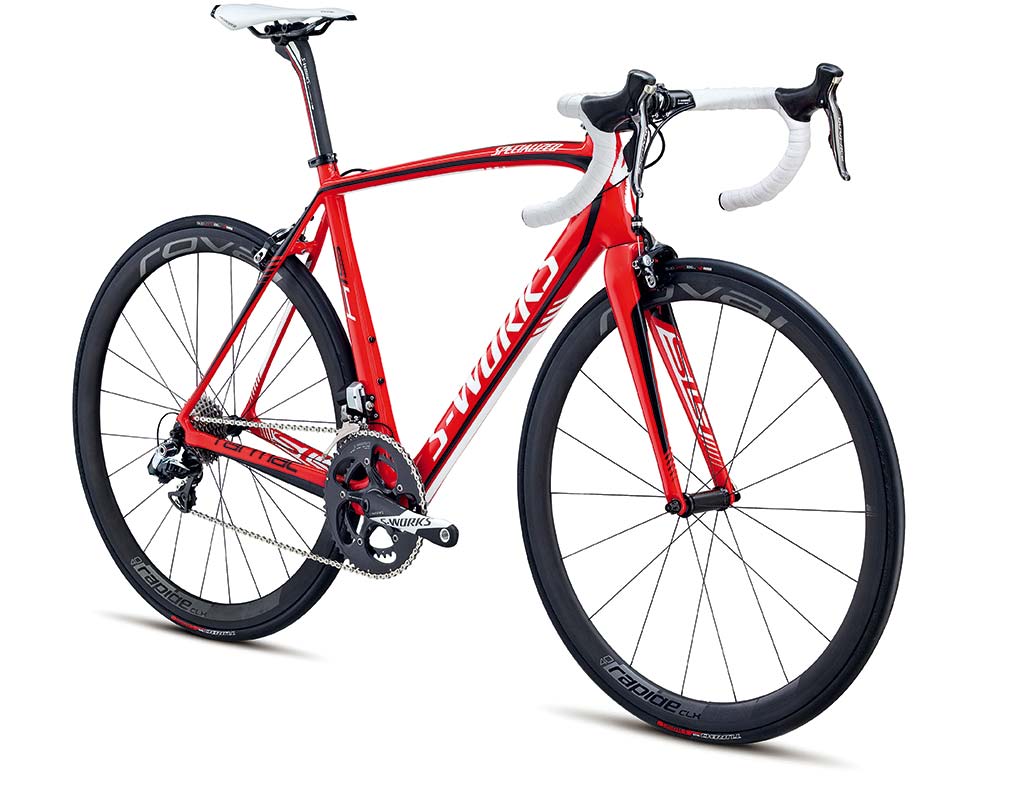
S-Works Tarmac SL4

specialized.co.uk | £8,500
First, you’ll need something to ride. Specialized’s competitive road bikes are most famously ridden by controversial Tour winner Alberto Contador. Offering a more comfortable ride than its predecessor, the Tarmac SL4 Di2 boasts a speed-inducing combination of stiff chassis and negligible weight – less than 7kg before pedals. Teamed with incomparably smooth shifting, this bike offers advantage to riders scaling the duplicitous terrain of Corsica.

shoes

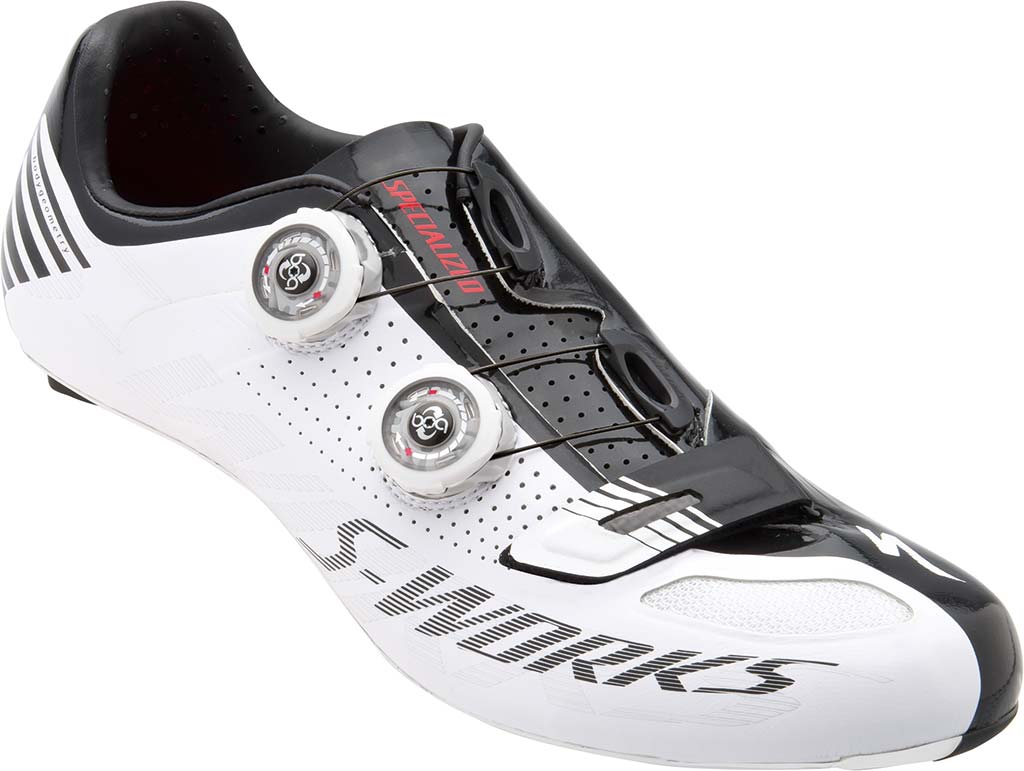
S-Works Road Shoes

specialized.co.uk | £240
What better to accompany an S-Works bike than cutting-edge road shoes of the same make? Each piece of this shoe is thermowelded together to eliminate the extra weight of overlapping materials. The fit is sublime, with a triple closure system to tailor the grip to each individual foot. A rigid sole improves stability when riding out of the saddle and a comprehensive ventilation system ensures your toes will stay dry through the hottest of rides.

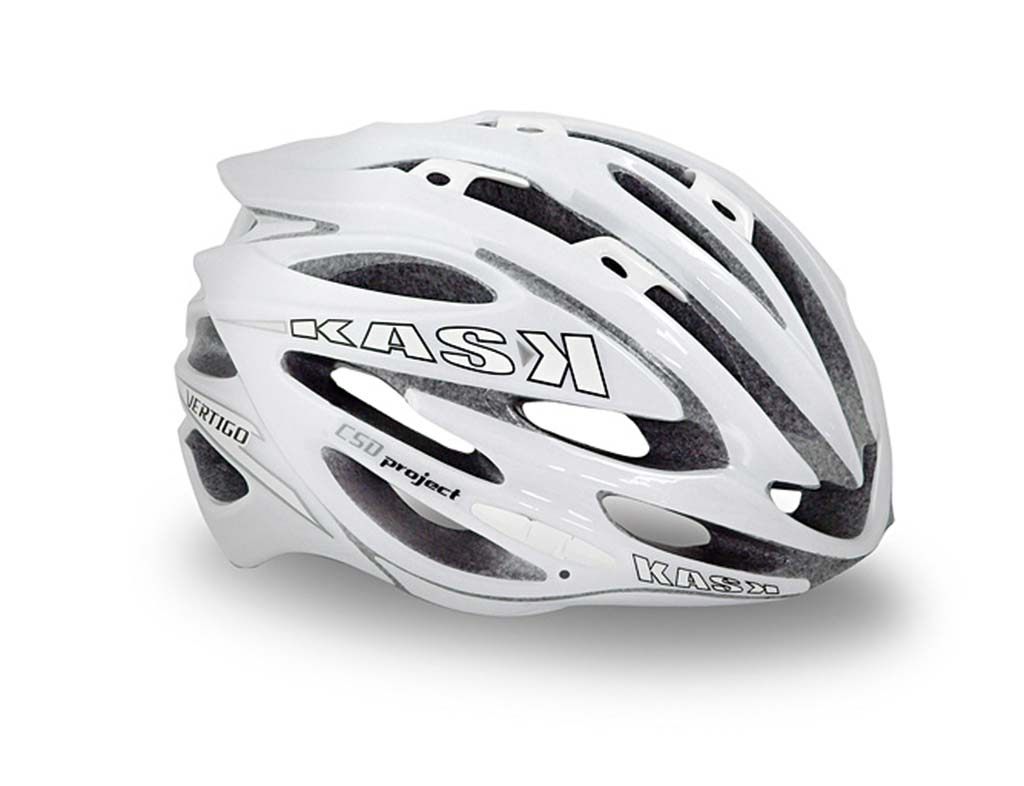
kask

Kask Vertigo helmet

kaskhelmets.com | £165
Froome and Wiggins’ skull protection of choice, Kask cycling helmets have features galore to help push you ahead of the pack. You’ll keep a cool head with the ultra-breathable technology of the 3D Dry padding and the numerous aeration vents positioned at premium perspiration points. The superior aerodynamic shell shaves vital seconds off your time, while the quality leather straps ensure this is a helmet that’ll last you for tour after tour.

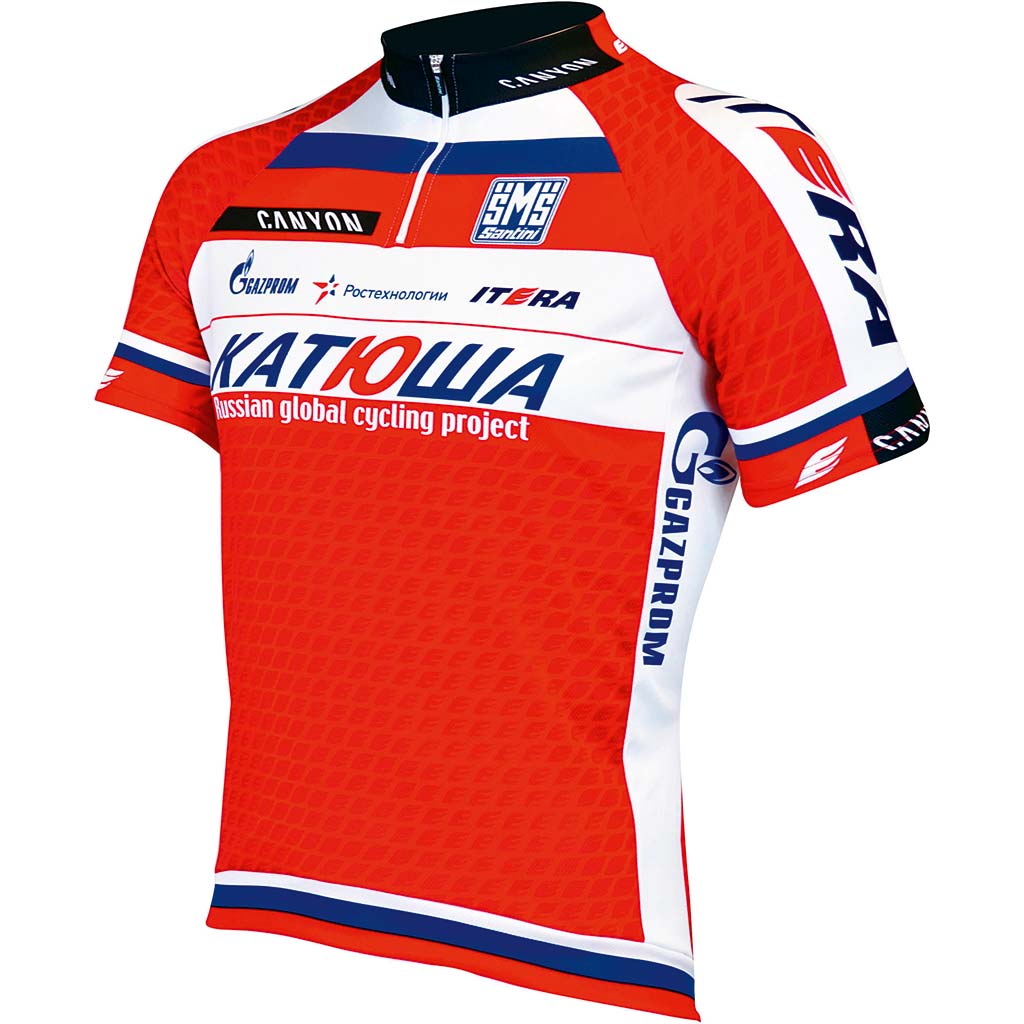
katusha

Santini Katusha

wiggle.co.uk | £60
Draw inspiration from the little cigar himself, Joaquim Rodriguez, in a Team Katusha 2013 jersey. The short sleeves and refined polyester construction have been engineered for breathability and quick moisture transfer, making it the perfect outerwear for an intense, summer cycle. Not a Rodriguez fan? Head to the jersey expert Santini website (santinims.it) where you can customise a jersey using the company’s graphics or your own personal logo.

beat-it-

Beet It Sport Shot

beet-it.com/sport | £27 for 15
Kit and clothes do not a champion cyclist make. Every pro spends hours agonising over what to consume – and not just during training. To sustain the pace on a long-haul race, cyclists must selectively ingest before, during and after. The Beet It Sport Shot contains 7cl of concentrated organic beetroot juice, with a dash of lemon. The high level of nitrates improves exercise tolerance and oxidative function, ensuring you can keep pedalling for longer.

Extreme getaways

Cave diving | Peacock Springs State Park
Vacations in Florida generally evoke images of Mickey Mouse and rollercoasters packed with screaming kids. But further north, in the picturesque Peacock Springs State Park, a serene wooded area hides an exciting secret just below its surface. In addition to a spring run, two major springs and six sinkholes, the park is home to one of the longest underwater cave systems in the US, with a labyrinth of over 33,000ft of underwater passages waiting to be explored.

Due to the complex nature of this activity, only certified scuba divers can partake in the sport, but there are numerous dive centres that provide training for those who want to specialise in cave diving. A novice cavern course, requiring 25 logged dives, usually takes two days, so it makes a unique long weekend getaway for keen adventurers. Local dive shops can take care of park entry fees and give guided tours, as well as providing equipment to hire.

Thanks to the work of preservationists and park regulations banning underwater population vehicles, the passages open to the public are maintained to a high standard, complete with safety ropes to guide experienced divers who just want to explore with a buddy.

The Peacock and Orange Grove underwater caves offer a vastly different experience to open-water diving. Navigating tight twists and turns in poor visibility and swimming through narrow crevices can trigger a bout of claustrophobia in even the most competent scuba enthusiasts.

But the spectacular limestone cave formations that open up at the end of the tunnels are well worth the squeeze. Some say the zero-gravity feeling that comes from floating through water in this unique underwater landscape makes cave diving the closest most people will come to an extra-terrestrial experience.

Base Jumping | Norway
Leaping off a cliff may seem like a quick route to death, but base jumpers say nothing makes them feel more alive than somersaulting their way down a cliff face at 80mph. A true daredevil sport, base jumping is the shorter but more dangerous sibling of skydiving and is named after the platforms jumpers leap from: buildings, antennas, spans (bridges) and natural ‘earth’ sites. A high number of fatalities and injuries from thrill-seekers jumping from unregulated spots have earned the fringe sport a bad reputation. However, thorough regulation in Norway ensures many legal jump spots with a dramatic backdrop of cliffs and fjords.

The mountainous Norwegian Lysefjorden region is recognised as one of the best places in the world for adrenaline-fuelled sport. But it’s not as simple as taking a leap of faith into the abyss; base jumpers are highly trained professionals. For first-timers, tandem jumps are available from the Karlsgratind cliff, allowing novices to forget the safety technicalities and just enjoy the rush of a 1,000m fall.

The nearby Preikestolen (Preacher’s Pulpit) is another famed base spot, hosting more than 30,000 jumps in the last 20 years, in addition to many hikers who trek to the precipice just to take in the beautiful views. The 25sq m rock formation stands 604m above beautiful blue waters, with the shorter height making this more suitable for experienced base jumpers who can deploy their parachutes in safe time. Lysefjorden is only a two-hour drive from the picturesque town of Stavanger, the European Capital of Culture 2008, providing the perfect place for some after-jump down time.

Shark Fishing | Namibia
A popular sport for both novice anglers and more experienced fisherman looking for a meatier catch on their line, shark fishing has fast become a popular sport along the Namibian coastline.

A true battle of man versus beast, few activities make participants feel more powerful than reeling in a 400lb shark straight from the sea. But those worried about sustainability needn’t be: Namibia operates a national preservation policy of catch and release, with the majority of national parks stipulating that all anglers acquire permits and use the correct bait, lines and equipment.

Namibia’s fishing coastline is over 300 miles long with shark territory starting at Sandwich Bay in the north of the country, then running south through to the Skeleton Coast National Park. Terrence Bay, within the park, is a very sought-after area for those serious about shark fishing, only catering for 40 fishermen at a time, so it is vital to book well in advance to secure a spot. As unpredictable weather massively impacts results, a ten-day trip is recommended to ensure the biggest possible haul.

As any good angler knows, local knowledge of where to get the best bites is invaluable, so enrolling with an angling guide is a must. There are numerous travel groups offering different packages, with a choice of single-site holidays and fishing safaris. For those who fancy a more rough-and-ready experience, Torra Bay is strictly camping only. The site is only open to tourists in December and January to keep the copper and cow sharks biting for the lucky few that get a chance to grapple with the 100lb fish. For shark-fishers who prefer a more relaxing experience when away from the beach, glamorous guesthouses are available in Henties Bay.

Bouldering | Colorado
Bouldering requires strength, agility and quick thinking, testing the climber mentally and physically. The fact that boulder routes are called puzzles is testament to how brain-taxing the sport can be. It’s a good mountaineering alternative for those who don’t have a head for heights, as climbs rarely exceed ten feet. Unlike flat-face mountain climbing, bouldering requires minimal equipment: no harness or safety lines, just the boulderer’s bare hands and a safety mat on the ground in case of falls.

Home to the eponymous town of Boulder at the foot of the Rockies, north-central Colorado has become the number one destination for this unusual sport. The Poudre Canyon in the heart of Rocky Mountain National Park has puzzles a-plenty and many well-established mountaineering groups to guide novices on how to exercise nerves of steel and an iron grip to cling to the rock face. The rural setting makes popular sites like the 50/50 boulder peaceful retreats, with log cabin accommodation completing the country feel.

For those who would rather rest up in more luxurious conditions, the Garden of the Gods in Colorado Springs is another popular bouldering destination. The hotels and ranch houses surrounding the park’s iconic central Twin Spires provide a welcome five-star service after tackling the boulders and blowouts surrounding the towering rock formations. The area attracts 7,500 technical climbers annually to clamber the indigenous rustic red rocks that have made the area so iconic in the mountaineering world.

Heli-skiing | British Columbia
Many of the world’s most sought-after ski resorts are almost always overrun, lifts rammed and slopes dotted with tourists. A lack of fresh snow and highly manipulated terrain has forced keen skiers to seek more natural areas off-piste, boasting wider runs and deeper drifts.

Heli-skiing forgoes ski lifts entirely; helicopters transport groups above the clouds to the most undisturbed slopes on earth. It’s the perfect solution for relentless skiers who are too impatient to wait in numerous queues only to be slowly dragged to the peak of disappointingly mediocre slopes. Plus, jumping out of a helicopter before bombing down the mountainside really adds to the thrill of the whole experience.

The Canadian province of British Columbia has become a haven for heli-skiing, taking a staggering 90 percent share of the global market. It is little wonder why: the skiable areas cover millions of hectares and numerous prolific travel operators provide guided tours for groups of four to twelve people throughout the district.

Wide open glacier skiing is great for a fast thrill, while tree skiing routes are available for those who would rather test how nimble they can be on their skis. The Columbia Mountains, Mount Whistler in particular, are world-famous for their challenging skiing routes and excellent conditions — the reported annual snowfall is an impressive 12-15m. The area’s proximity to luxury ski resorts is also a big draw, providing a range of accommodation for skiers to rest in between their intrepid mountain adventures.

Once you pop…

As abysmal consumer spending continues to wear at the resolve and resources of UK high streets, many are asking that familiar question: has retail had its day? On the high streets of London a reported 3,400 empty shops and a capital-wide vacancy rate of seven percent are a palpable indication of UK retail’s cruel collapse.

London Assembly Committee Chairman Andrew Dismore said of the decline: “Our traditionally diverse and interesting high streets are blighted by the number of empty shops which are a deterrent to customers, discourage further investment, and create an
air of decline.”

However, amid the tatter of failed haberdasheries and the abandon of old cobblers, one breed of shop looks to offset the downward trend. Pop-up shops, or ‘flash retailing’ units, are increasingly common in a climate where opportunities are few, but determination rife. They are “giving shop owners a helping hand and making the high street an attractive place to go”.

But while some believe pop-ups are a viable way to encourage entrepreneurship and rejuvenate high streets, others have labelled them a marketing gimmick, used by pre-existing brands to boost sales and actually choking independent opportunity. Pop-ups were originally ubiquitous with seasonal celebrations, many coinciding with Christmas and Halloween, but the recent fruition of non-seasonal ventures has seen numerous instances of viable business; many go on to open successful permanent branches.

Real retail fail
As sterling gained only 0.1 percent on the US dollar through March 2013, retail could be the decisive pivot on which economic gains depend. Despite the impact that poor weather conditions and seasonal fluctuations in shopping have on sales figures, few contest that retail is hampered by alternative and often cheaper shopping platforms.

Whereas online retailers are expecting a surge in coming years – Forresters predict European sales to hit €191bn in 2017, up from the current €112bn – the high street has experienced a sober devolution in the digital age. John Longworth, Director General of the British Chamber of Commerce said: “Although it is possible that the UK economy may narrowly avoid entering a new recession, the weak economic climate means that the outlook for retailers is likely to remain challenging for some time. “Against this backdrop, we urge the government to do all it can to help support enterprise and wealth creation and open up new opportunities for UK firms to exploit both at home and abroad.”

Official support
In a recent report published by the London Assembly, the organisation requested that it be made easier to open temporary shops in vacant premises. The Assembly’s plans detail a strategy for a more industrious and attractive UK high street by supporting pop-up shops. The report, entitled Open for Business, suggests temporarily occupying vacant shops will help boost footfall on the capital’s high streets. And with even the most ambitious entrepreneurs struggling to afford permanent premises, the scheme could give galleries, restaurants and cafés a chance to develop.

Amid the tatter of failed haberdasheries and the abandon of old cobblers, one breed of shop looks to offset the downward trend

Ministers were encouraged to cut entitlement to empty property rates from three months to two and create » a new register of vacant shops to better trace landlords. The idea of an advice service, whose role it would be to renegotiate leases for small firms, was also favoured. “The Mayor, the Government and local boroughs need urgently to follow our recommendations to bring empty shops back into use, stop the rot and so help our high streets thrive again,” said Dismore.

A prior governmental project, undertaken with StartUp Britain in December 2012, opened a pop-up shop within the Department for Communities and Local Government building in Victoria to encourage similar initiatives. Local growth minister, Mark Prisk wrote of the project: “Eighteen small businesses have already traded in our store since it opened in December, and this is just the beginning… We expect many more to set up shop with us. But besides helping these businesses to get their foot on the high street ladder, this is a visible way to show how to make a difference.”

Chief Executive of WeArePopUp, Nick Russell, said that pop-ups were incubators for the next generation of entrepreneurs; these shops could be extremely influential in transforming the fortunes of local communities, spurring consumer confidence and encouraging more landlords to open up otherwise vacant properties. However, despite many backing the scheme, some remain sceptical, questioning the perceived effectiveness of flash retailing.

A harmful gimmick
Richard Dodd of the British Retail Consortium is yet to be convinced of the long-term benefits of flash retailing, claiming pop-up shops are a symptom of retail’s present difficulties. “The first priority has got to be to have retailers permanently occupying premises and doing well there, because that is what delivers the maximum benefit, both to the local economy and the local community. A pop-up is a better alternative to premises standing empty, but it’s not the ideal and it definitely isn’t any significant part of the solution to resolving the problems of our high streets.”

Many suggest pop-ups could even be detrimental to landlords and rival retailers; unlike long-term leases, where an income stream is guaranteed, short-term leases do not provide the certainty landlords require. Critics also claim pop-ups generate resentment among permanent retailers, particularly in shopping centres where they maintain the advantage of low overheads.

But positive or not, the independent focus of flash retailing could be quickly eroded by big brands entering the market. Regarded as an exciting alternative to their typical chain stores, pop-ups could become a mere marketing ploy for long-established businesses. London-based department store Liberty last year announced its intention of breaking into the pop-up market, while Superdry and Nike have already trialled pop-ups in the capital.

In many cases it appears larger pop-up shop owners solely target established retailers, utilising the gimmick of the platform to ensure high returns. Boxpark, a ‘pop-up mall’ in east London fashioned from recycled cargo containers, presently comprises of firmly established lifestyle and food brands, leaving zero opportunity for burgeoning
independent retailers.

Regardless of the many criticisms levelled at pop-up shops, there are many, such as PopUp Britain, who maintain the concept is both resilient and entrepreneurial in spirit. Founder, Emma Jones said: “Genuine pop-ups are bringing much-needed variety and flexibility to our high streets. They are not just a passing fad.”

Driving innovation
PopUp Britain is a national entrepreneurial campaign founded in July 2012 by Emma Jones, whose goal is to aid online-only British brands by offering temporary retail spaces. With locations in Richmond, Victoria and Somerset House, PopUp Britain seeks to lend a hand to those considering high street trading for as little as £150 a fortnight. “These entrepreneurs often start out small and online so pop-ups offer an opportunity to trade on high streets, generate sales and raise brand awareness. It takes away much of the risk and financial burden of opening a shop.”

Refuting the idea of pop-ups as nothing more than ‘gimmicks’, Jones said: “There is a huge appetite from small online retailers that want to meet their customers face-to-face and have this high street experience. There is nothing gimmicky about that. The number of businesses that are starting is on the increase and these businesses want an outlet on the high street.”

Though Jones acknowledges pop-ups are just one aspect of a wider solution, she sees them as a significant departure from a high street that has grown markedly stale. Now, despite recent years being hard on retailers, there are record numbers looking to set up their own business. By harnessing this drive with pop-ups, Jones believes she can be, “the driving force of the economy”. With countless anecdotes of PopUp Britain’s success, Jones maintains the concept has increased footfall on high streets, while lending an element of competition to an ailing community of understandably disillusioned retailers.

In London? Check out the pop-up projects below

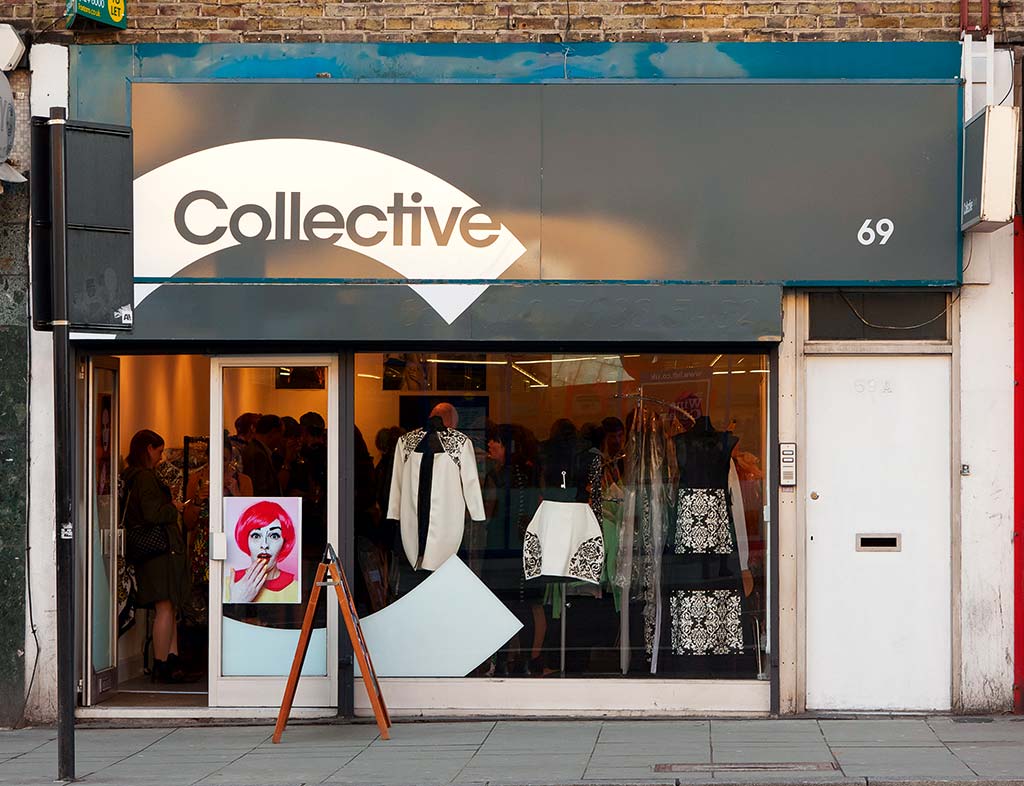
camden-collective

Camden Collective

The Camden Collective initiative, in association with Test Space, runs a pop-up space on Camden High Street for independent retailers and artists. The creative agencies want to ensure the development of local art, while bringing abandoned property back into use. Camden Collective also offers shops free of charge for two-week periods, allowing entrepreneurs to experiment with retail ideas. Eventually 18 vacant units will be refurbished and handed to start-ups and artists for ‘test trading’ and exhibitions. It is hoped the units will then be sustained as permanent high street openings.
camdencollective.co.uk

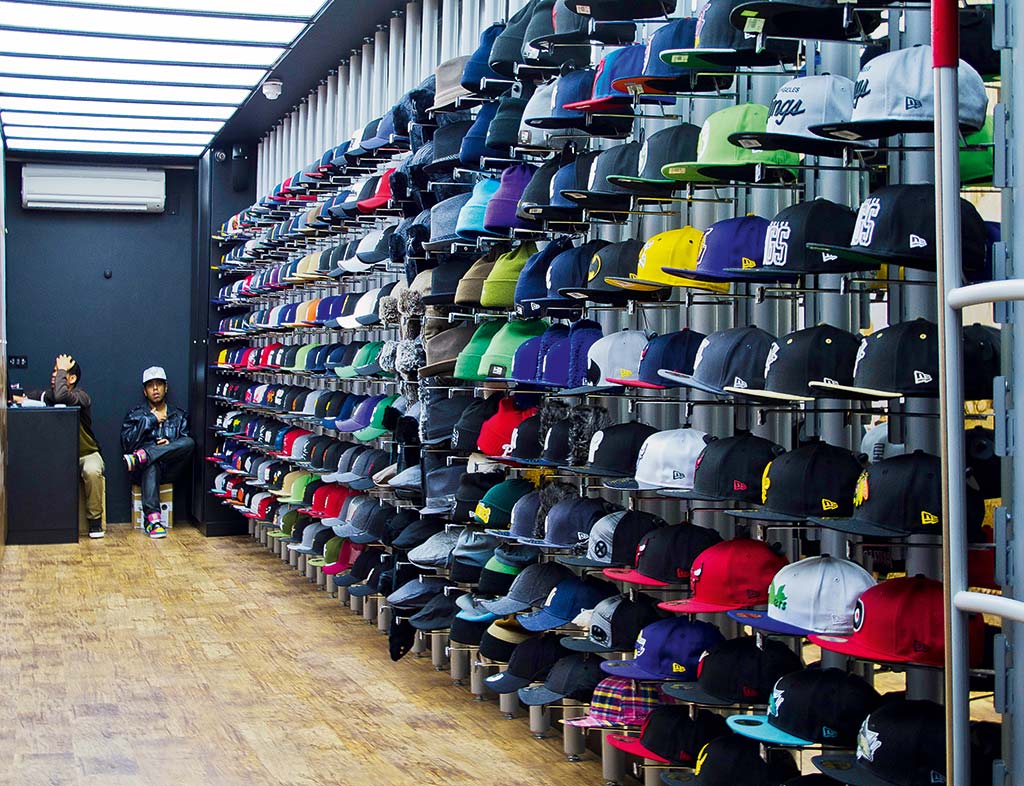
hat-rack

Boxpark

A self-proclaimed ‘Pop-up Mall’, Boxpark is a Shoreditch-based shopping and eating venue constructed from a collection of hulking ex-shipping containers and hosting a multiplicity of world-renowned brands such as Nike, Vans and Puma. Though originally intended as a short-term project, the venture’s tenure has since been extended to a minimum of four further years. Founded by Roger Wade, the man behind British streetwear brand boxfresh, Boxpark claims to put, “creativity and fashion back where they belong: on the street”.
boxpark.co.uk

clothes-rack

The Clove Club

A bar and restaurant in the East End of London, in alignment with the charity Shoreditch Town Hall Trust, the Clove Club is a cultural space serving often-overlooked British produce. An open kitchen allows diners to watch an intriguing taster menu unfold before them. Though its current incarnation looks to be lasting, Clove Club originated as a series of short-term projects. Daniel Wills, Johnny Smith and chef Isaac McHale previously ran the much-lauded pop-up dining experience Upstairs at Ten Bells. A similar path has been taken by London eateries Flat Iron, Viajante and MEATliquor, who all recently set up shop in permanent locations.
thecloveclub.com

A desert sanctuary

For a country sandwiched between some of the world’s most volatile political environments, Jordan is a comparatively tranquil oasis of calm, with surprisingly western ideals. While Syria tears itself apart in the north, and the Israeli-Palestinian conflict rumbles on to the west, Jordan is one of western governments’ strongest allies in the Middle East.

Jordan continues to be an attractive tourist destination for many western travellers, particularly those seeking an insight into a rich and diverse region alongside some desirable home comforts. Though a Sunni-Islamic country, Jordan’s attitude toward certain vices, such as alcohol, is a far cry from countries like neighbouring Saudi Arabia.

The country has invested heavily in tourism, with luxury hotels, spas, and resorts being built to meet an increase in demand. They have also recently rebuilt Amman’s Queen Alia International Airport to cater for nine million passengers each year, while the southern coastal city of Aqaba has been designated a special economic zone to attract businesses from around the world.

However, a consequence of the political instability of the region, most notably the situation to the north of Jordan in Syria, is a sharp decline in tourism. While official figures may highlight resilience to the political concerns of Jordan’s neighbours, anecdotal evidence points at far fewer tourists than usual visiting the country.

Amman power
Jordan’s capital lies to the north-west of the country, a hilly enclave that houses almost three million people. The largest city in the country, it is notable for being one of the oldest continuously inhabited settlements in the world, and is the base of Jordan’s government and major industries. Due to considerable immigration, from both Syria and Libya, Amman is expected to have a population of as much as 6.5 million by 2025. Amman’s status as the leading Arab city for economic growth (outside of the Gulf) is expected to see a surge of investment in the capital from major corporations in the coming years.

In light of the political crisis in Libya during the last two years, many hotels in Amman have been swamped with Libyan citizens for months on end as they sought medical help. The Libyan government promised to pay for the accommodation costs, as well as the hospital bills, yet many hotels were forced to close after failing to receive any money. This setback for the industry is worrying, especially as traditional tourists, seeing the high-profile instability across the border in Syria, are increasingly wary of visiting.

Although many of Jordan’s big cultural destinations are outside the capital, numerous stunning examples of the region’s rich history can be found across Amman. The al-Balad (or downtown) part of the city, which sprawls out from where the old souk was, is where many of the main attractions lie. These include the Citadel Hill, known as Jabal al-Qal’a, which houses the Temple of Hercules that the Roman Emperor Marcus Aurelius built in the second century AD. There is also the Roman forum and nearby amphitheatre, which can seat 6,000 spectators and is still used for cultural events to this day.

The city’s cuisine is notable, with dishes imported from many of Jordan’s neighbouring countries. Fresh vegetables from Lebanon and the Mediterranean are popular, as are spicy kebabs from Iraq and Egypt. The national dish Mansay – lamb cooked in a fermented dried yoghurt sauce and served with almonds on a bed of yellow rice – is particularly popular in many restaurants in Amman. Although the capital sports many high-rise buildings and large corporations, the recent global economic downturn has caused many large-scale construction projects to be halted through lack of funding.

Floating in the Dead Sea
A mere 40-minute drive south from Amman is the Dead Sea, where many tourists congregate to float in the salt lake that sits between Jordan and Israel. Over the years, luxury hotels have cropped up along the shoreline, including well-known names like Marriott and Mövenpick, each competing to offer a range of spa and dining facilities. Another of the area’s distinctive attractions is the supposed health benefits derived from swimming in the salt and mineral-rich water, with claims that it helps conditions such as psoriasis, cystic fibrosis, rhinosinusitis and osteoarthritis. Visitors can also experience the mud treatments that many beauty-conscious tourists seem to think will transform their looks.

The country’s largest nature reserve, the Dana Biosphere Reserve, was founded in 1989 and stretches across 308sq km of south-central Jordan. The area has a diverse geology, from its rocky mountains to the sandy desert of Wadi Araba.

Further south from Petra is the intoxicating Wadi Rum, or Valley of the Moon

Although there are some hotels littered along the outskirts of the reserve, a particularly popular and alternative form of accommodation is the Wadi Feynan Ecolodge. Found at the end of a long, rugged track, it is at the heart of the reserve and offers visitors a candlelit contrast to the usual hotel experience. Powered by solar panels, the 26-room lodge acts as a perfect base for treks through the mountainous reserve, as well as offering a secluded location from which to enjoy the wildlife, views and traditional Bedouin food.

Founded in 2005 by the Royal Society for the Conservation of Nature, the lodge is focused on promoting conservation with socio-economic development. It employs local Bedouin, and has built a school for their children. Nearby is another beautiful nature reserve, 90km south of Jordan. Hidden just off the side of the King’s Highway, the Wadi Mujib reserve is the lowest lying in the entire world, and boasts a gorge that offers an unlikely water source in such a dry and hot country.

Discovering Petra
Probably the most stunning historical site in the entire country, Petra was only discovered in 1812 by western explorers, having lain hidden and in decline for centuries. Founded by the Nabataean civilisation and occupied as their capital city as early as 312 BC, Petra was a key strategic trade route for the region. Hidden by vast rocks, it was a formidable fortress that filtered trade between Gaza in the west, Aqaba in the South, and Damascus to the north, all the way to the Persian Gulf.

The architecture of the city developed from a collection of relatively primitive caves in the mountain face, to lavish and detailed tombs, with elaborate facades inspired by Roman temples and classical Greek architecture. By 106 AD, the city had become part of the Roman Empire, leading to a large expansion of the city as a trading outpost. This included the Petra Roman Road and huge Roman temple, unfortunately decimated by an earthquake in 363 AD. As the Romans refocused their trade on sea-based routes, Petra fell into decline for many centuries. Only really inhabited by nomadic Bedouin, the site lay relatively dormant until Swiss explorer Johann Ludwig Burckhardt discovered it years later.

In order to enter Petra, visitors must traverse a narrow canyon for a tense 20 minutes before a crack in the mountain reveals the first signs of the city’s breathtaking Nabataean architecture, that of the red-sandstoned Al Khazneh treasury. Describing his discovery of the site, Burckhardt said: “At the distance of a two long day’s journey north-east from Akaba, is a rivulet and valley in the Djebel Shera, on the east side of the Araba, called Wady Mousa. This place is very interesting for its antiquities and the remains of an ancient city, which I conjecture to be Petra, the capital of Arabia Petraea, a place which, as far as I know, no European traveller has ever visited. In the red sandstone of which the valley is composed, are upwards of 250 sepulchres entirely cut out of the rock, the greater part of them with Grecian ornaments.

“There is a mausoleum in the shape of a temple, of colossal dimensions, likewise cut out of the rock, with all its apartments, its vestibule, peristyle etc. It is a most beautiful specimen of Grecian architecture, and in perfect preservation. There are other mausoleums with obelisks, apparently in the Egyptian style, a whole amphitheatre cut out of the rock with the remains of a palace and of several temples. Upon the summit of the mountain which closes the narrow valley on its western side, is the tomb of Haroun [Aaron]. It is held in great veneration by the Arabs.”

Petra is now regarded as a World Heritage Site, one of the Seven Wonders of the World, and as one of Smithsonian Magazine’s ‘28 places to see before you die’. In recent years it has also become a popular destination for filmmakers, notably used in big-budget Hollywood films Indiana Jones and the Last Crusade and Transformers, bringing it to the attention of a younger, western generation.

Intoxicating sites
Further south from Petra is the spectacular Wadi Rum, or Valley of the Moon. This sandstone and granite formation of valleys and desert is home to ancient Nabataean archaeological sites, as well as the base from which famed British Army Officer TE Lawrence centred his operations during the Arab Revolt of 1917. Lawrence spent a great deal of time in Wadi Rum, living with Bedouin tribes and becoming increasingly attached to the culture and way of life. Visitors can see the vast landscape, which hosted a number of battles he commanded, as well as the cave and small house where he lived and planned his operations.

Settled as far back as 8,000 BC, Wadi Rum is now home to the Zalabia Bedouin tribe. Visitors from across the world come to climb and trek through the arid landscape, spending the night in traditional Bedouin camps under the spectacularly clear night skies.

Conditions in Wadi Rum can be extreme – recent flash floods scattered the desert with hints of greenery – but the usual temperatures soar above 40 degrees centigrade during the summer months, plunging to a near-freezing climate at night. Travellers are advised to visit during spring or autumn, when temperatures are less extreme, although the danger of heavy sandstorms is a problem all year round.

The destination remains popular with visitors wanting to experience traditional Bedouin culture, but it appears unlikely that the traditions can be sustained for much longer. As the government has permanently housed the previously ever-moving Bedouin, many of the younger generations growing up now in and around Wadi Rum no longer have, or are interested in, the traditional skills their ancestors were known for.

Ways of the west
Jordan is rich with locations for adventure-seeking travellers, but it’s also a perfect destination for a traditional beach holiday. Just to the west of Wadi Rum is the coastal city of Aqaba. This special economic zone has grown to attract many businesses, but is primarily known for its beaches and diving resorts.

Covered with luxury hotels, European restaurants and nightlife, Aqaba offers many of the draws of traditional western sea-front cities. While it may attract many tourists, the city planners have over-estimated the demand for properties. The shoreline is scattered with half-built luxury homes, some sitting unfinished for as many as five years thanks to a lack of funding and interest from investors. A country with this range of destinations and activities is unique in the Middle East. Yet the country is steeped in religion too, housing some of the most iconic religious sites in the world — important to both Christianity and Islam.

While the region as a whole is embroiled in political disputes, Jordan is one of the West’s strongest, and oldest, allies. It is a fascinating revelation for those curious about a part of the world continuously in the news for adverse reasons.